

Maddy summaryHB 2925 amends Arizona law to clarify who is prohibited from possessing firearms or weapons. It defines "prohibited possessor" as individuals including those with certain mental health court orders, felony convictions (or delinquency for a felony), current inmates or probationers for domestic violence, undocumented immigrants (with limited exceptions for hunters or competitive shooters), and others. The bill also specifies "prohibited weapons" like short-barreled firearms, certain explosives, and devices designed to muffle gun noise. This law directly affects these specific groups by restricting their ability to legally possess firearms under Arizona statutes.
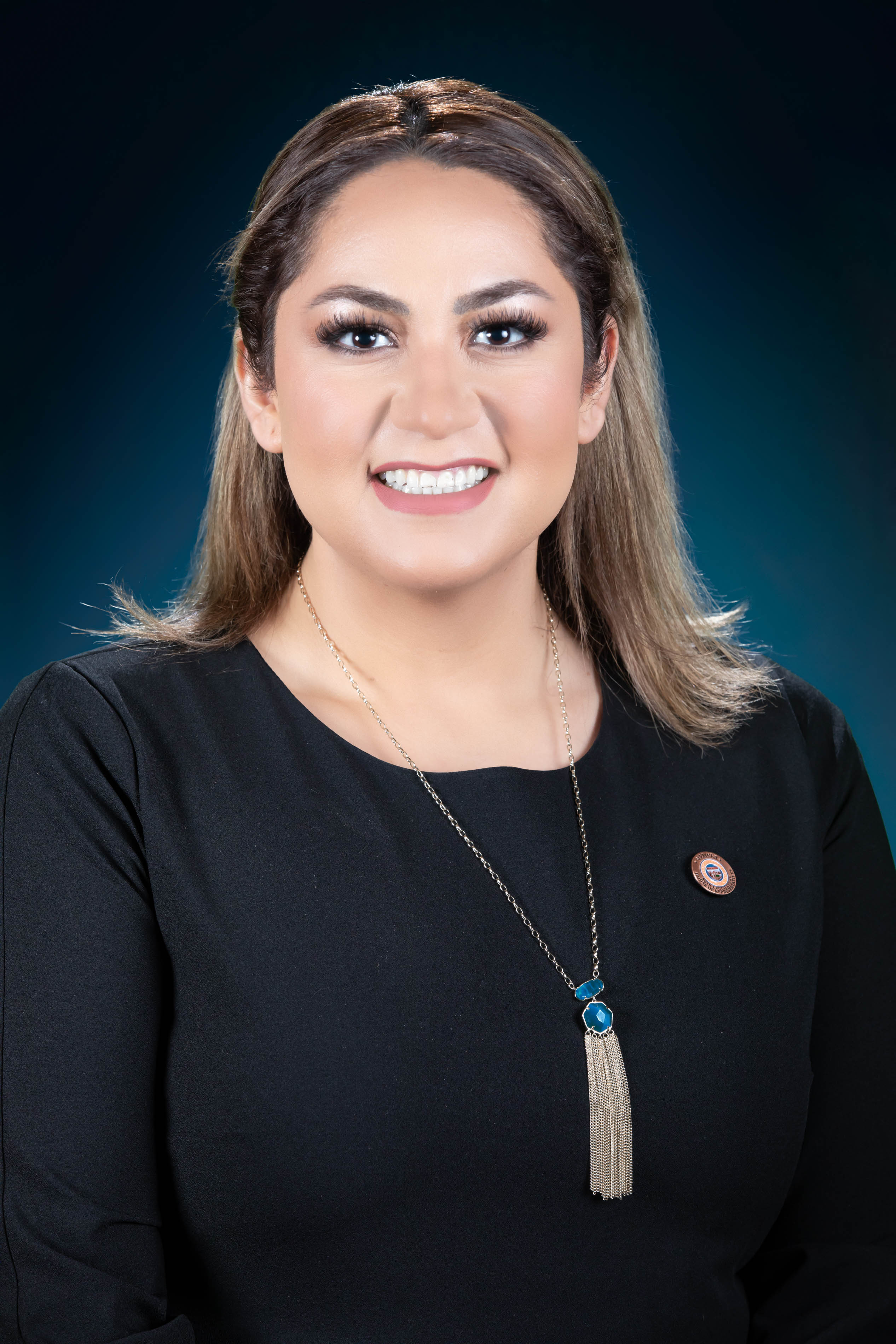
Rep. Consuelo Hernandez
Sponsored bills
Maddy summaryHB 2922 amends Arizona law to exempt homeowners from obstruction charges when refusing police entry to their residential property. Specifically, it removes the criminal penalty for a residential property owner who declines to open a door to a peace officer seeking entry. The bill does not affect commercial properties or alter police authority to obtain warrants for searches. This change directly impacts homeowners who may refuse entry during routine police inquiries without facing felony charges under the obstruction statute.
Maddy summaryHB 2844 establishes rules for Arizona's contracts with private companies operating adult correctional facilities, requiring them to provide services at equal or better quality and lower cost than state-run facilities. The bill mandates biennial reviews comparing contractor performance to state operations across 10 areas (like security, inmate programs, and facility safety) and requires cost comparisons every five years to ensure value. It limits annual cost adjustments to inflation, prohibits contractors from making decisions about inmate release dates or disciplinary actions, and requires contractors to provide financial statements, civil rights insurance, and reimburse the state for emergency services. These provisions apply directly to private prison contractors and the Arizona Department of Corrections.
Maddy summaryHB 2843 establishes rules for portable solar power devices under 1,200 watts that plug into standard 120V outlets. It prohibits utility companies from charging fees, requiring permits, or demanding extra equipment for these devices. Devices must meet national safety standards, automatically shut off during power outages, and comply with electrical codes. Local governments cannot impose additional permits or inspections on compliant devices, clarifying they are distinct from larger solar systems.
Maddy summaryHB 2372 allows school board candidates in Arizona to collect nomination petition signatures online through a secure state system, replacing paper-based methods. The bill creates a verified online portal where eligible voters can sign petitions for school board, county, city, and other local offices, with candidates permitted to gather up to 110% of required signatures via this method starting in 2025. It directly affects candidates running for school board and similar local elected positions by providing a new electronic signature collection option. The law specifies that signatures must be verified and transmitted securely to election officials, but does not change the required number of signatures needed to qualify for the ballot.
Maddy summaryHB 2823 prohibits Arizona's Department of Corrections from renewing or creating new contracts with private prison operators that include a "minimum occupancy clause." This means the state cannot require private prisons to maintain a specific occupancy rate, and will only pay for the actual number of inmates physically housed at the facility. The bill directly affects the state department and private prison operators by changing how contracts are structured and paid. It applies to all new contracts or renewals after the bill's effective date.
Maddy summaryHB 2668 allocates $5 million from Arizona's state general fund for fiscal year 2026-2027 to fund broadband infrastructure projects. The bill directs the state treasurer to distribute these funds as grants to cities and towns with populations under 100,000. This provides direct financial support for local governments to expand high-speed internet access in smaller communities. The bill is currently in early legislative stages, having passed its first two House readings.
Maddy summaryHB 2393 prohibits selling or giving tobacco products, alternative nicotine products (like e-cigarettes), vapor products, or related paraphernalia (e.g., hookahs) to anyone under 21 in Arizona. Minors who buy, possess, or falsely claim age to obtain these items face petty offenses with fines starting at $100 or 30 hours of community service. Businesses violating the law face escalating penalties: first violations incur $500-$750 fines plus mandatory education, while repeat offenses can lead to misdemeanor charges, $10,000 fines, or even felony convictions with sales bans. The law exempts religious use of shisha and gifts not intended for minor use.
Maddy summaryHB 2394 amends Arizona's property tax code to create new deductions for contractors in the "prime contracting classification," primarily affecting construction businesses and manufactured building dealers. It allows contractors to exclude specific costs from their taxable base, including land sales (up to fair market value), groundwater monitoring equipment, unattached furniture/fixtures, military reuse zone projects (with qualification), environmental cleanup work, and machinery/equipment with "independent functional utility." To claim certain deductions (like military or environmental projects), contractors must obtain a pre-work letter of qualification from the Department of Revenue. This bill does not change tax rates for homeowners but adjusts taxable income for specific contractor activities. The title referencing "residential property" is misleading, as the changes apply to contractor tax calculations, not residential property owners.
Maddy summaryHB 2672 requires Arizona school districts to hold a voter-approved election (an "override") if their proposed budget exceeds the state's budget limit, and mandates detailed public disclosure about the financial impact of the increase. The bill requires districts to prepare an alternate budget without the excess increase and distribute an informational pamphlet at least 35 days before the election, including the current and proposed budgets, funding sources (tax vs. non-tax), and estimated tax effects for different property types (e.g., owner-occupied homes at various valuations). The pamphlet must also include up to 10 verified written arguments for and against the increase, submitted with signed, sworn statements, while the county superintendent reviews factual accuracy but not opinions. This directly affects school districts seeking budget increases and residents who vote on these proposals.