

Maddy summaryHB 2512 clarifies procedures for local initiatives and referendums in Arizona cities, towns, and counties. It requires local election officials to mail voter pamphlets to all households with registered voters at least 10 days before an election (with penalties for late mailing), mandates that arguments supporting or opposing measures be filed 90 days before the vote, and establishes a 5-calendar-day window to contest the validity of initiatives or referendums in court. The bill directly affects local governments, election officials, and voters participating in municipal or county ballot measures. It modifies Arizona Revised Statutes § 19-141 to standardize local election processes while maintaining strict deadlines for filing and legal challenges.
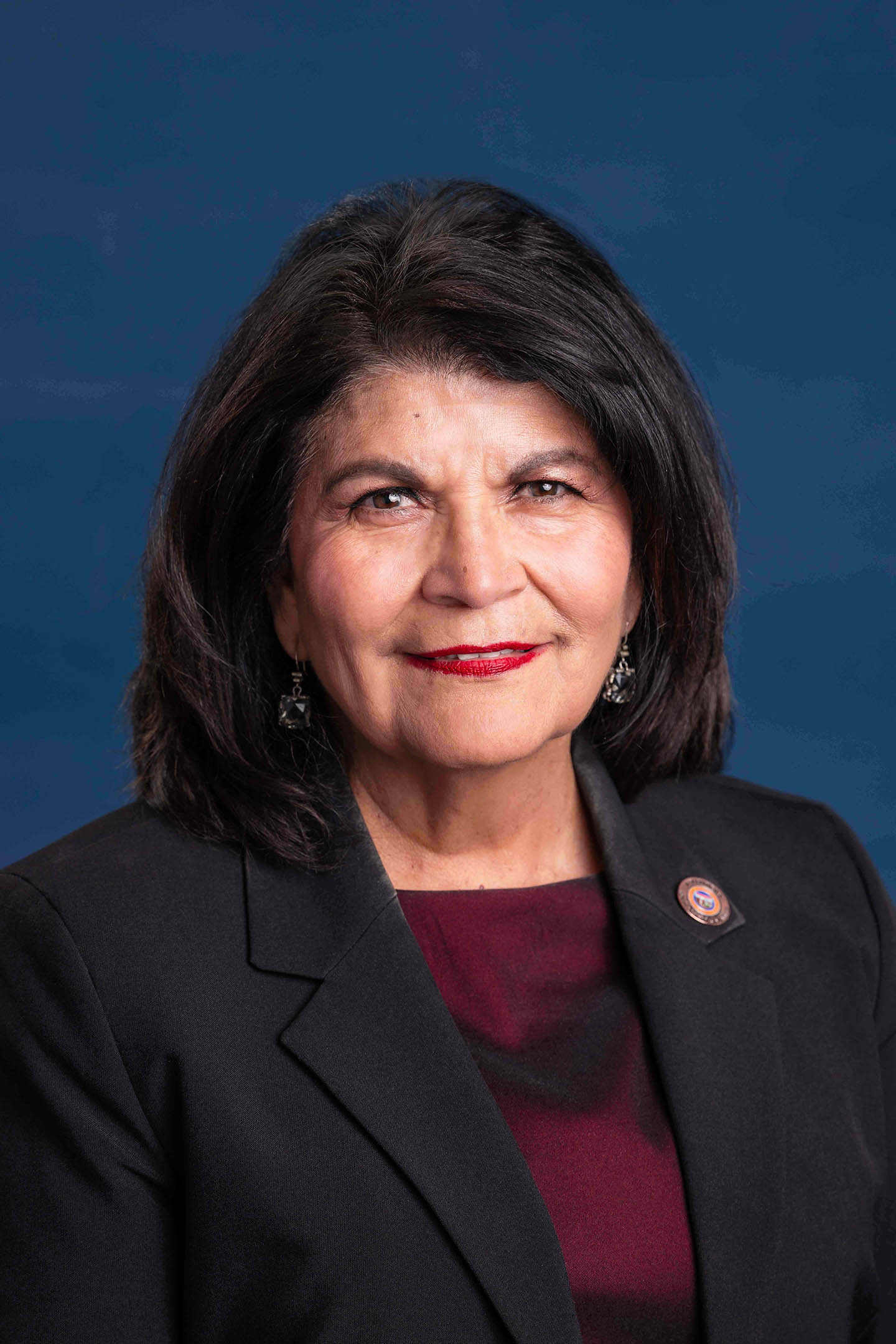
Rep. Betty Villegas
Sponsored bills
Maddy summaryHB 2505 extends early voting hours in Arizona to include the Saturday and Sunday before an election (open until 7:00 p.m.) and the Monday before until at least 3:00 p.m. (with counties allowed to extend to 7:00 p.m.). It establishes an emergency voting process for voters facing emergencies between 5:00 p.m. Friday and 5:00 p.m. Monday before an election, requiring a signed statement under penalty of perjury and identification. The bill also permits voters at early voting locations to update their registration information as outlined in state procedures. These changes apply to all elections in Arizona that utilize early voting.
Maddy summaryHB 2630 allows eligible individuals - including election officers, law enforcement personnel, public officials, and those under protection orders - to request hiding their personal details (like home addresses and full names) from public property records maintained by county recorders. To qualify, they must file an affidavit with a judge explaining safety risks, and if approved, the county recorder will restrict public access to their identifying information for five years. This applies to documents such as property deeds and recorded instruments, aiming to protect individuals facing safety threats by limiting how easily their personal data can be found online. The bill does not create new records but modifies access to existing county property records.
Maddy summaryHB 2821, titled the "Pregnant Workers Protection Act," requires Arizona employers with 15 or more employees to provide reasonable accommodations for pregnant workers without imposing undue hardship. It mandates specific accommodations like modified equipment, more frequent breaks, schedule changes, assistance with manual labor, private breastfeeding areas, and flexibility for prenatal appointments. Employers cannot force pregnant employees to use vacation or sick leave when accommodations are possible and must post notices about the policy in employee handbooks and provide written notice to new hires, current employees, and pregnant employees within 10 days of pregnancy disclosure. The bill directly affects pregnant employees and their employers in qualifying businesses.
Maddy summaryHB 2823 prohibits Arizona's Department of Corrections from renewing or creating new contracts with private prison operators that include a "minimum occupancy clause." This means the state cannot require private prisons to maintain a specific occupancy rate, and will only pay for the actual number of inmates physically housed at the facility. The bill directly affects the state department and private prison operators by changing how contracts are structured and paid. It applies to all new contracts or renewals after the bill's effective date.
Maddy summaryHB 2703 defines eligibility for Arizona's Education Savings Account (ESA) program, primarily affecting students with disabilities, those from low-performing schools, military families, and children in foster care. The bill establishes specific criteria for "qualified students" (e.g., those identified under federal disability law, attending schools with D/F grades, or military-connected children) and defines "micro-schools" as tuition-charging entities providing instruction without public school status. It requires schools receiving ESA funds to meet reporting standards and ensures students must have attended a public school for minimum hours or meet other specified enrollment requirements. This bill updates the legal framework governing the existing ESA program without creating new funding.
Maddy summaryHB 2504 amends Arizona's election laws to change how initiative and referendum petitions are prepared and circulated. It requires petition sponsors to get the attorney general's advance approval of their measure's description before submitting petitions, and it mandates that all non-resident and paid circulators register with the secretary of state - including providing personal details, consent to court jurisdiction, and a notarized affidavit. Circulators who fail to register, provide false information, or are convicted of certain offenses (like fraud or felony) face disqualification of signatures they collected and potential misdemeanor charges. The bill directly affects petition sponsors, circulators, and the secretary of state's office by adding new registration steps and enforcement mechanisms for statewide ballot measures.
Maddy summaryHB 2583 primarily updates fingerprinting requirements for education professionals in Arizona. It mandates that teachers, student teachers, charter school staff, and tutoring contractors submit identity-verified fingerprints through the Department of Public Safety for background checks. Key provisions include standardizing the fingerprint submission process, allowing school districts to contract with third parties for fingerprinting services, and creating a digital archive to avoid duplicate submissions for renewals. The bill also includes a separate section (Section 2) about Arizona empowerment scholarship accounts, which is unrelated to the fingerprinting requirements.
Maddy summaryHB 2393 prohibits selling or giving tobacco products, alternative nicotine products (like e-cigarettes), vapor products, or related paraphernalia (e.g., hookahs) to anyone under 21 in Arizona. Minors who buy, possess, or falsely claim age to obtain these items face petty offenses with fines starting at $100 or 30 hours of community service. Businesses violating the law face escalating penalties: first violations incur $500-$750 fines plus mandatory education, while repeat offenses can lead to misdemeanor charges, $10,000 fines, or even felony convictions with sales bans. The law exempts religious use of shisha and gifts not intended for minor use.
Maddy summaryHB 2580 defines key terms for Arizona's education scholarship programs, primarily affecting students and micro-schools. It establishes eligibility criteria for "qualified students" (including those with disabilities, from low-performing schools, military families, or Indigenous communities) and defines "micro-schools" as tuition-charging entities employing instructors for specific subjects. The bill sets requirements for annual education plans, curriculum standards, and enrollment rules for scholarship programs. It does not create new funding but clarifies program mechanics for existing scholarship accounts. This definitional work prepares the framework for how Arizona's education savings accounts will operate.