

Maddy summaryHB 2881, the "Immigration Safe Zones Act," requires Arizona's Attorney General to create policies within 60 days that limit state agencies' cooperation with federal immigration enforcement. These policies must protect 8 specific public facilities - including public schools, community colleges, libraries, courts, and publicly funded healthcare centers - from being used for immigration enforcement and ensure they remain accessible to all residents regardless of immigration status. The bill also mandates that state agencies remove any questions about citizenship or immigration status from forms related to benefits, services, or education within 60 days. These policies must include constitutional safeguards like warrant requirements for searches and prevent unreasonable government actions targeting individuals based on immigration status.
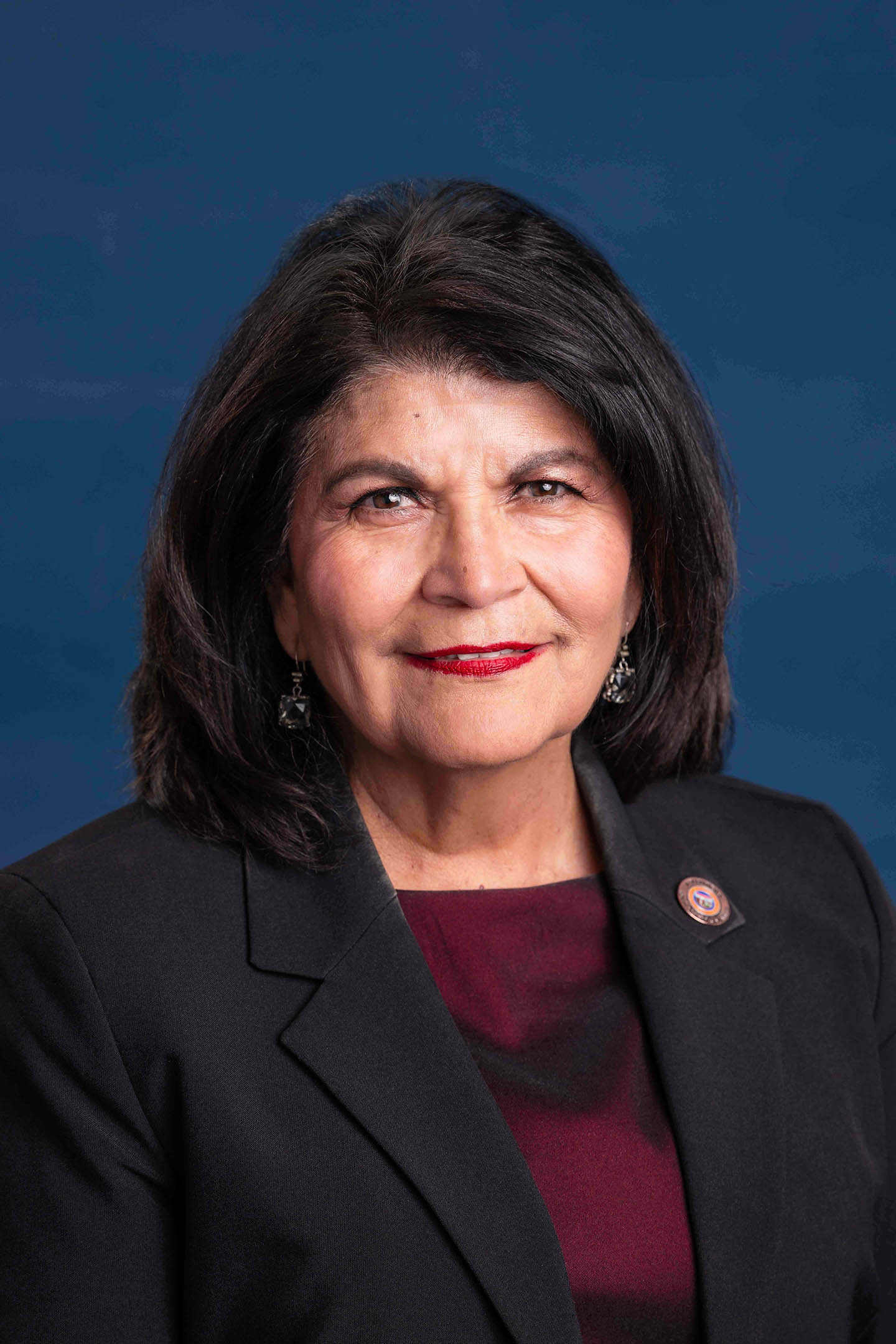
Rep. Betty Villegas
Sponsored bills
Maddy summaryHB 2517 amends Arizona's environmental code to strengthen the Department of Environmental Quality's authority for protecting drinking water. It explicitly adds "nutrients" and "heated liquids" to the list of pollutants the department must address under water quality standards. The bill directly affects water utilities, industrial facilities, and developers by requiring stricter adherence to these expanded pollution prevention measures. This change clarifies the department's duty to coordinate water resource protection and implement specific standards for contaminants in drinking water sources.
Maddy summaryHB 2356 repeals Title 49, Chapter 1, Article 6 of the Arizona Revised Statutes, which previously established a statutory framework for greenhouse gas programs. This repeal removes the specific legal provisions governing such programs in Arizona's law. The bill directly affects the regulatory structure for greenhouse gas initiatives by eliminating the existing statutory basis. As a repeal bill, it does not create new programs or directly impact specific entities, but rather removes the legal foundation for prior greenhouse gas program regulations. The bill is currently in early legislative stages (House First and Second Readings as of January 2026).
Maddy summaryHB 2355 amends Arizona's groundwater management law by updating definitions related to reporting, pumping, and measurement. It clarifies terms like "active management area," "grandfathered right," and "farm unit" to ensure consistent application of existing groundwater regulations. This technical update affects agricultural users, cities, and water districts that must report groundwater usage under current law. The revised definitions will be used by the state director to enforce existing groundwater management requirements without creating new obligations.
Maddy summaryHB 2562 requires restaurants and food service establishments in Arizona to provide water to customers only upon request, not automatically. It also mandates that hotels and motels offer guests the option to decline daily towel and linen laundering, with clear signage about this choice. The bill directly affects these businesses by changing their standard service practices for water and linens. Key provisions focus on reducing unnecessary water use and resource consumption through simple, mandatory customer notification and consent. (Summary based solely on the bill text provided.)
Maddy summaryHB 2880 creates protections for individuals attending court proceedings and sets requirements for hospitals regarding law enforcement interactions. Section 11-1052 grants a "privilege from civil arrest" to parties, witnesses, and court companions (including family members, advocates, or translators) while traveling to, at, or leaving court - covering courthouse premises and surrounding areas - but excludes criminal arrests. Section 11-1053 requires hospitals to adopt policies by January 1, 2027, including verifying law enforcement identity, designating waiting areas, and providing patients with privacy notices that allow redaction of immigration status, birthplace, or documents like passports. The bill directly affects court attendees, hospital staff, and law enforcement agencies interacting with patients. It does not address schools or daycares, despite the bill title.
Maddy summaryHB 2515 requires lessees of state agricultural land (outside designated active management or irrigation non-expansion areas) to pay an annual fee for groundwater used in irrigation. It mandates that these lessees report well locations, annual groundwater quantities, and specific uses to the state department by March 31 each year. Fees collected must be deposited into the appropriate beneficiary fund, with the legislature intending the fee to reflect groundwater’s fair market value. The bill directly affects agricultural tenants leasing state land for irrigation outside specific water management zones.
Maddy summaryHB 2473 creates a program to fund curbside composting in Arizona cities through grants. It establishes a special fund financed by fees from managing waste classified as hazardous in its state of origin but not in Arizona (e.g., waste transported from other states). Municipalities can apply for grants to start composting programs under rules set by the environmental agency, with the fund also covering administration of both the composting program and the hazardous waste management system. The bill directly affects cities seeking to expand waste reduction efforts, using existing fee structures to support new sustainability initiatives.
Maddy summaryHB 2513 creates a new process for Arizona to designate "subsequent irrigation non-expansion areas" where new irrigation development is restricted. It allows the state director to formally identify groundwater areas that lack sufficient water to support additional irrigation at current withdrawal rates, provided an active management area isn't needed. The bill establishes procedures for these designations, including requirements for petitions from either 25 irrigation users (meeting specific land-use criteria) or 10% of registered voters in the affected basin, backed by scientific groundwater models and hydrologic reports. This directly affects farmers and landowners in designated groundwater basins by preventing new irrigation projects in areas with inadequate water resources.
Maddy summaryHB 2514 requires municipalities in Arizona to verify adequate water supply before approving new housing subdivisions. Specifically, it mandates that final subdivision plats cannot be approved without either a "certificate of assured water supply" from the state water resources director or a written commitment from a designated water provider. This directly affects developers and local governments when reviewing new residential developments, particularly in areas designated as "active management areas." The bill enforces this requirement to ensure water resources can support new construction, with municipalities required to note the verification on the plat itself.