

Maddy summaryHB 2962 prohibits landlords in Arizona from discriminating against tenants based on their source of income, such as government housing vouchers (e.g., Section 8), social security, veterans benefits, or other rental assistance programs. It specifically bans landlords from refusing to rent, evicting, charging more, or imposing different terms because a tenant relies on these income sources. Landlords must count rental assistance toward income requirements when evaluating applicants, ensuring subsidies like housing vouchers are treated equally with other income. Violations are addressed under existing anti-discrimination laws, with enforcement handled by the attorney general. This directly affects renters using public assistance and landlords who screen applicants.
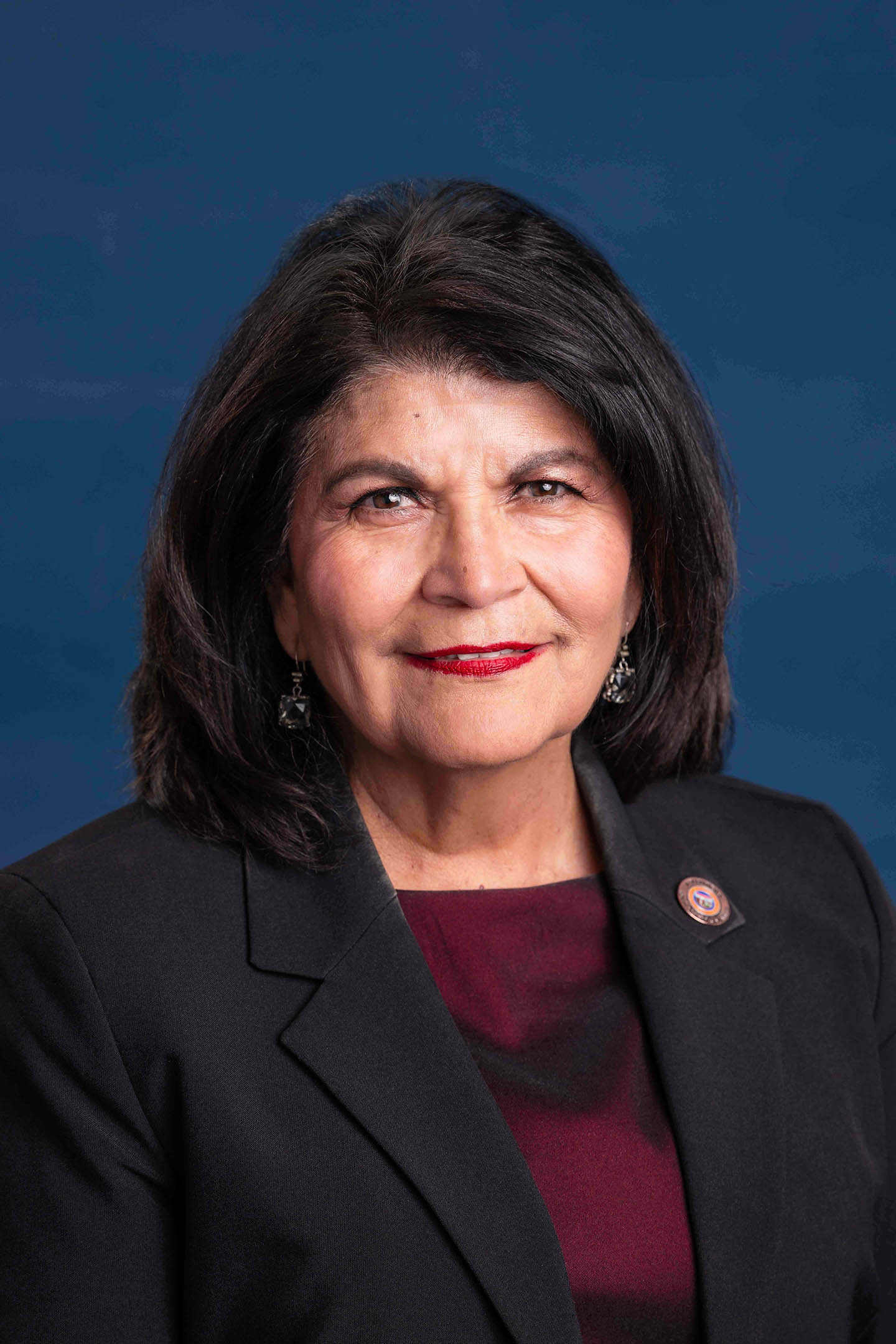
Rep. Betty Villegas
Sponsored bills
Maddy summaryArizona's SB 1464 creates a state-run family and medical leave insurance program starting in 2029. It provides eligible workers with up to 26 weeks of paid benefits for pregnancy, serious health conditions requiring hospitalization, or 24 weeks for caring for a newborn, family member with a serious health condition, military family leave, or "safe leave" related to domestic violence, sexual violence, abuse, or stalking. To qualify, workers must meet specific wage requirements during their base period (e.g., earning at least $390 per week in a qualifying quarter). Employers must provide at least 12 weeks of leave, with benefits paid biweekly after a claim is filed.
Maddy summarySB 1463 repeals Arizona's Section 41-1519, which previously provided tax relief for data centers. It amends Section 42-2003 to clarify that the Arizona Commerce Authority may disclose confidential tax information to certify computer data centers for tax relief under other statutes. This change directly affects data center operators seeking tax credits by updating how the Commerce Authority accesses taxpayer information for certification. The bill does not create new tax relief but adjusts administrative processes for existing data center tax credit programs.
Maddy summarySB 1465 requires employers in high-risk industries - like agriculture, construction, landscaping, delivery work, and oil/gas extraction - to implement heat illness prevention measures. It mandates free drinkable water (one cup every 15-20 minutes above 90°F), accessible shade or climate-controlled areas within 400 feet, and mandatory rest periods based on temperature. Employers must also train staff, acclimate new workers to heat over 7-14 days, and follow specific high-heat procedures like supervisor monitoring and emergency response plans. The law directly affects workers in these industries and their employers across Arizona.
Maddy summaryHB 2936 repeals Arizona's requirement that construction projects subject to environmental review must include labor agreements (like neutrality agreements) as a condition for approval. This directly affects construction companies and developers seeking environmental permits for facilities like power plants or transmission lines. The bill removes a provision that previously forced applicants to negotiate or comply with certain labor agreements before receiving approval. It does not change environmental review standards or requirements for pollution control. The repeal simplifies the approval process for construction projects by eliminating this labor-related condition.
Maddy summaryHB 2928 establishes heat illness prevention standards for employers in high-risk industries like agriculture, construction, landscaping, oil and gas, airport work, and delivery services. It requires employers to provide free drinking water with ice (and electrolytes for work over an hour above 80°F), shade or climate-controlled rest areas within 400 feet of work zones when temperatures exceed 80°F, and paid rest periods (15-45 minutes per hour) based on heat levels. Employers must also monitor workers for heat symptoms, implement emergency response protocols, and hold pre-shift safety meetings for agricultural workers. These rules, to be adopted by Arizona’s Industrial Commission, apply to all indoor and outdoor workplaces in covered industries to protect workers from heat-related health risks.
Maddy summaryHB 2929 establishes a 16-member task force focused on perimenopause and menopause care in Arizona. The task force includes health professionals, hospital representatives, educators, and community health stakeholders appointed by state officials. Its key duties are to identify ways to improve treatment and education for women experiencing these conditions, review health care curricula, and recommend changes to health care providers and institutions. The task force must submit findings to state leaders by December 2027 and 2028, and the bill expires on June 30, 2029. This is a procedural bill creating a study group, not a direct policy change affecting specific laws or funding.
Maddy summaryHB 2927 requires construction projects exceeding 60 feet above ground or 48 feet below ground to install a temporary elevator or personnel hoist for employee use. This elevator must be operational when the structure reaches 36 feet in height (measured to the top of features like parapet walls or mechanical rooms, excluding antennas or flagpoles). The bill directly affects construction companies building tall structures, mandating safer vertical transport for workers during construction. It specifies concrete installation timing and structural measurement criteria to ensure worker safety during early build phases. The requirement applies to new construction projects, not existing buildings.
Maddy summaryHCR 2045 is a ceremonial resolution honoring the late U.S. Representative Raúl Grijalva (D-AZ), who died on March 13, 2025. The resolution expresses the Arizona Legislature’s "profound sorrow" at his passing and recognizes his 50+ years of public service, including 12 terms in the U.S. House representing Southern Arizona. It highlights his work on environmental protection, tribal sovereignty (notably the Grand Canyon Tribal Coalition), and advocacy for public education and social justice. As a memorial resolution, it has no policy impact or direct effect on constituents - it is purely a symbolic tribute. The Arizona House and Senate approved it in January 2026.
Maddy summaryHB 2844 establishes rules for Arizona's contracts with private companies operating adult correctional facilities, requiring them to provide services at equal or better quality and lower cost than state-run facilities. The bill mandates biennial reviews comparing contractor performance to state operations across 10 areas (like security, inmate programs, and facility safety) and requires cost comparisons every five years to ensure value. It limits annual cost adjustments to inflation, prohibits contractors from making decisions about inmate release dates or disciplinary actions, and requires contractors to provide financial statements, civil rights insurance, and reimburse the state for emergency services. These provisions apply directly to private prison contractors and the Arizona Department of Corrections.