

Maddy summaryHB 2458 requires Arizona prisons to provide free medical care and feminine hygiene products to female inmates, with specific exemptions for pregnant inmates from paying medical fees, prescriptions, or hygiene costs. The bill mandates that prison staff explain the consequences of refusing non-life-threatening medical treatment and document any refusal in writing, while prohibiting denial of care due to financial reasons. It explicitly exempts pregnant inmates from all medical and health service fees (including prescriptions) and ensures they receive necessary feminine hygiene products at no cost. These provisions directly affect incarcerated women in Arizona, particularly pregnant inmates, by improving access to essential healthcare services.
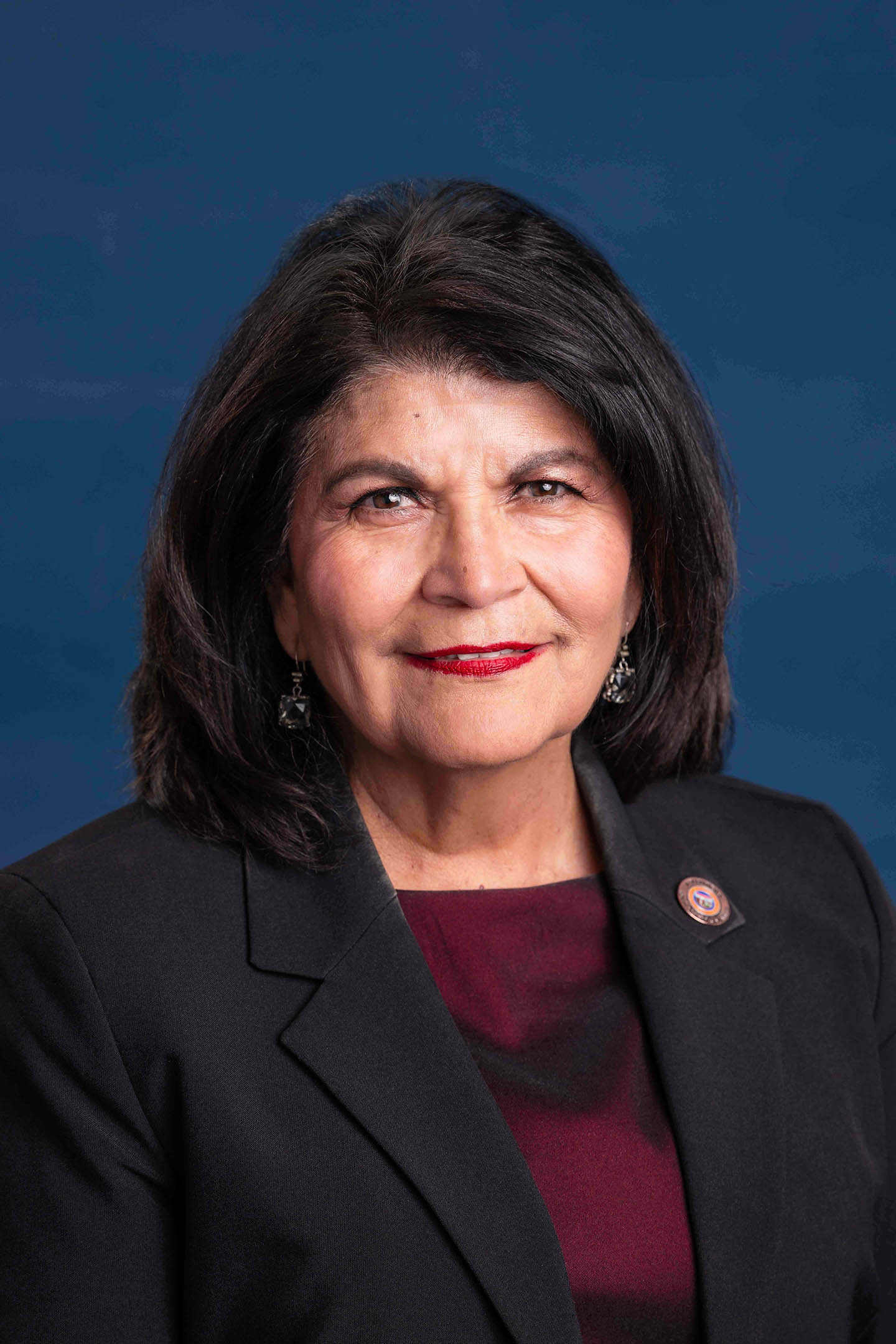
Rep. Betty Villegas
Sponsored bills
Maddy summaryHB 2682 repeals a provision requiring project labor agreements (like neutrality agreements or union recognition without secret ballots) for construction projects and amends environmental review rules to prohibit such agreements as conditions for project approval. It directly affects developers and contractors seeking environmental compatibility certificates for facilities like power plants or transmission lines, removing a requirement to negotiate with labor organizations during the approval process. The key mechanism eliminates mandates for project labor agreements, including neutrality agreements or release of employee information, from the environmental review standards. This bill does not change wage rates or other labor contract terms, focusing solely on streamlining project approvals by removing this specific regulatory barrier.
Maddy summaryHB 2529 repeals Arizona's "duty to retreat" requirement for self-defense. It changes the law so that people in a place where they are legally allowed to be (and not committing a crime) no longer must try to flee before using deadly force in self-defense. The bill directly affects Arizonans who may need to use force to protect themselves, removing the obligation to retreat first. This amendment clarifies that individuals can stand their ground without legal penalty if they reasonably believe deadly force is immediately necessary.
Maddy summaryBased on the provided bill text, HB 2512 is a court fee schedule amendment with no connection to firearm transfers or domestic violence as suggested by its title. The bill solely modifies Arizona Revised Statutes Section 12-284 to adjust filing fees for various court procedures (e.g., $188 for initial case filings, $100 for answers, $30 for basic documents like power of attorney). It directly affects individuals and entities interacting with Arizona's court system who pay these fees. The bill contains no provisions related to firearm transfers, domestic violence offenses, or policy changes addressing those topics. The title appears to be inaccurate or mislabeled based on the actual content provided.
Maddy summaryHB 2431 repeals Arizona Revised Statute 13-3108, a state law regulating firearms. It also amends Section 15-341 to require school districts to establish policies prohibiting weapons on school grounds, with exceptions for peace officers or individuals authorized by school administrators. This bill directly affects school districts by mandating new firearm policies for campus safety. The repeal removes an existing state firearm regulation while the new school policy ensures consistent control of weapons on educational property.
Maddy summaryHB 2513 amends Arizona's misconduct involving weapons statute (ARS § 13-3102) by adding a new provision (subsection A.17) that makes it a crime to instigate another person to commit certain weapon offenses. It directly affects individuals who encourage others to engage in prohibited weapon conduct, such as carrying concealed weapons during serious crimes or using weapons in gang-related activities. The key mechanism is criminalizing the act of provoking or urging someone else to violate existing weapon laws, expanding liability beyond the direct perpetrator. This is a substantive policy change to the existing statute, not a procedural measure.
Maddy summaryThis bill amends Arizona law to require courts to order convicted individuals to surrender their concealed weapons permits at sentencing if their conviction makes them ineligible to possess such permits under state law. It mandates that courts verify permit status, require surrender (or a lost permit affidavit), and notify the Department of Public Safety of revocations. This directly affects people convicted of crimes that trigger prohibited possession status under Arizona law, adding a specific administrative step to the sentencing process. The change applies to all relevant convictions, including those leading to probation or imprisonment.
Maddy summaryHB 2508 establishes a temporary 15-member study committee to examine how to train retail and lodging business employees to identify and respond to human trafficking victims in both urban and rural Arizona. The committee includes legislative members, state officials, chamber of commerce representatives, academics, healthcare providers, social workers, and law enforcement with trafficking experience. It must evaluate training methods and submit recommendations to state leaders by June 30, 2027. The committee expires December 31, 2027, and does not enact new laws - only studies potential future policies for businesses.
Maddy summaryHB 2589 prohibits both public and private employers in Arizona from requiring noncompete clauses as a condition of employment. These clauses typically restrict employees from working in a specific location for a set time after leaving a job. The bill applies to all new employment contracts signed on or after the law's effective date. It directly affects all Arizona employers and their current or prospective employees by banning this specific contractual restriction.
Maddy summaryHB 2428 allocates $10 million annually from the state general fund for fiscal years 2025-2026 and 2026-2027 to support remedial education programs at San Carlos Apache College. The funds are distributed through the Governor's Office on Tribal Relations to assist students enrolled at the college who need academic support. This bill directly affects San Carlos Apache College and its students by providing dedicated state funding for remedial education. The provision is a straightforward funding mechanism with no additional policy changes beyond the financial allocation.