

Maddy summaryHCR 2027 proposes a law that would prohibit the issuance of licenses for marijuana dispensaries, testing facilities, and commercial marijuana establishments in unincorporated areas of Arizona completely surrounded by Indian reservations. This measure directly affects businesses seeking to operate in those specific geographic locations, including both medical (nonprofit) and commercial marijuana operations. The bill requires voter approval to become law, as it is structured as a referendum measure under Arizona's constitutional authority. If passed, it would prevent state licensing for these facilities in the defined unincorporated areas adjacent to tribal lands. The proposal is currently pending voter approval after initial legislative readings.
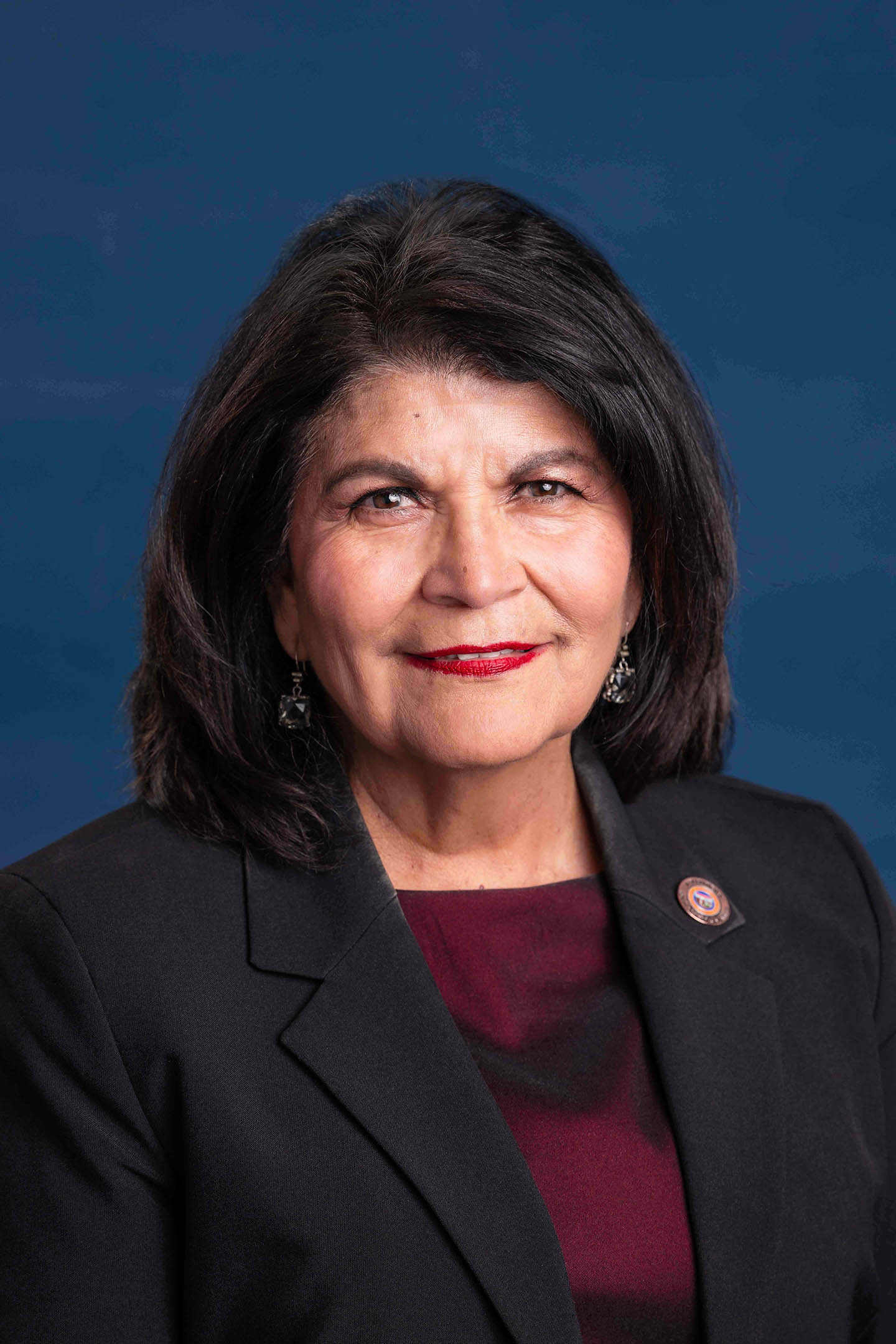
Rep. Betty Villegas
Sponsored bills
Maddy summaryThis resolution (HR 2002) declares gun violence a public health crisis in Arizona. It cites Arizona's 2020 firearm death toll of 1,265, 2022 data showing firearms as the top cause of death for teens aged 15-17, and statistics linking gun access to increased suicides and homicides. The resolution makes no new laws or funding provisions - it is a symbolic declaration by Arizona's House of Representatives. It focuses on acknowledging the severity of gun violence as a public health issue, based on state-specific data.
Maddy summaryHB 2686 creates a new specialty license plate program for sororities and fraternities in Arizona. To qualify, an organization must pay a $32,000 fee to the state department to implement the program, after which the department will issue custom plates designed by the group (subject to state approval). Owners of vehicles displaying these plates pay a $25 annual fee, with $17 of that amount designated as a donation. The bill does not affect individual students but requires organizations to fund the program upfront and comply with design standards. This is a procedural change to license plate regulations, not a broad policy shift.
Maddy summaryHB 2496 modifies Arizona's licensing rules by prohibiting state agencies from requiring applicants to provide citizenship or alien status documentation when applying for a professional license. It also mandates that agencies accept a federal tax identification number in place of a Social Security number for licensing purposes. This applies to all licenses issued by state or local agencies for businesses or services (like CPAs, contractors, or healthcare providers). The bill directly affects individuals seeking professional licenses who may lack traditional citizenship documentation, such as immigrants or non-citizens. The key change replaces prior requirements in Section 41-1080 with these new documentation standards.
Maddy summaryHB 2591 appropriates $500,000 from Arizona's state general fund for the Arizona Commission of African-American Affairs' operating expenses during fiscal year 2025-2026. This procedural bill provides direct funding to the commission for its administrative costs. It does not establish new policies or affect specific groups beyond the commission's operational needs. The bill is currently in early legislative stages, having undergone House first and second readings.
Maddy summaryHB 2459 amends Arizona law to establish new procedures for strip searches and pat searches of prisoners in state correctional facilities. The bill requires that strip searches be conducted only by an officer of the same gender in a designated room (with limited exceptions for immediate needs), prohibits touching body parts except during hair inspections, and mandates documentation for cross-gender pat searches in emergencies. Pat searches must generally be performed by an officer of the same gender, but opposite-gender searches are permitted in emergencies if documented with officer details, prisoner information, and the reason, and conducted with a witness when possible. The law directly affects prisoners and correctional officers in Arizona Department of Corrections facilities by standardizing search protocols to address privacy concerns.
Maddy summaryHB 2443 redirects unclaimed property funds (from abandoned assets like forgotten bank accounts) to Arizona's housing programs. It requires 55% of these funds to go to the state Housing Trust Fund, with at least 40% of that portion specifically for developing housing in rural areas. Additional allocations include $2 million annually to a mental health housing fund and $24.5 million yearly to an administrative fund. The bill does not directly affect individuals but changes how state funds from unclaimed property are distributed to support housing initiatives.
Maddy summaryHB 2530 establishes Arizona's Homeless Persons' Bill of Rights, guaranteeing homeless individuals equal access to public spaces (like parks and sidewalks), services, employment, and emergency care without discrimination based on housing status. It specifically prohibits criminal charges for sitting, sleeping, or lying on public property if the person is homeless and no shelter space is available. The bill also protects privacy of shelter records and ensures confidentiality under federal laws like HIPAA. These changes directly affect homeless residents across Arizona by legally safeguarding their daily activities and access to essential services.
Maddy summaryHB 2287 strengthens protections for mobile home residents in Arizona by amending landlord-tenant laws. It requires landlords to provide written disclosures about management, ownership, and service contacts before leases begin (Section 33-1432), bans excessive fees (like multiple application fees or charges for background checks), and limits rent collection (Section 33-1413.04). The bill also modifies eviction procedures, mandating a 7-day waiting period before enforcing a writ of restitution and requiring clear notice to tenants about criminal trespass penalties for remaining in mobile home spaces after eviction (Section 12-1178). These changes directly affect mobile home residents and their landlords across Arizona.
Maddy summaryHB 2461 establishes Arizona's state-run family and medical leave insurance program, providing wage replacement benefits to eligible workers. It directly affects employees who meet specific wage requirements (based on past earnings) or self-employed individuals who elect coverage, allowing them to take paid leave for qualifying reasons like childbirth, caring for a family member with a serious health condition, personal medical needs requiring hospitalization, military family exigencies, or safe leave related to domestic violence or stalking. Benefits cover up to 26 weeks for personal medical needs (e.g., childbirth recovery) or 24 weeks for other qualifying reasons, with payments starting within two weeks of a claim filing. The program, effective January 1, 2028, is administered by Arizona's Industrial Commission.