

Maddy summaryHB 2253 sets water efficiency standards for plumbing fixtures in Arizona, affecting builders, contractors, and property owners installing new or replacing fixtures in residential and commercial buildings. It requires all new residential plumbing fixtures (like faucets, showers, toilets, and urinals) to use no more than 3 gallons per minute for faucets/showerheads and 1.6 gallons per flush for toilets, while commercial fixtures must meet stricter limits (e.g., automatic shut-off for faucets). The bill mandates that fixtures must either be Watersense-labeled or meet pre-2027 water efficiency criteria, and it specifically requires water-free urinals in new state buildings. These standards take effect January 1, 2027, aiming to reduce water consumption in both residential and public infrastructure.
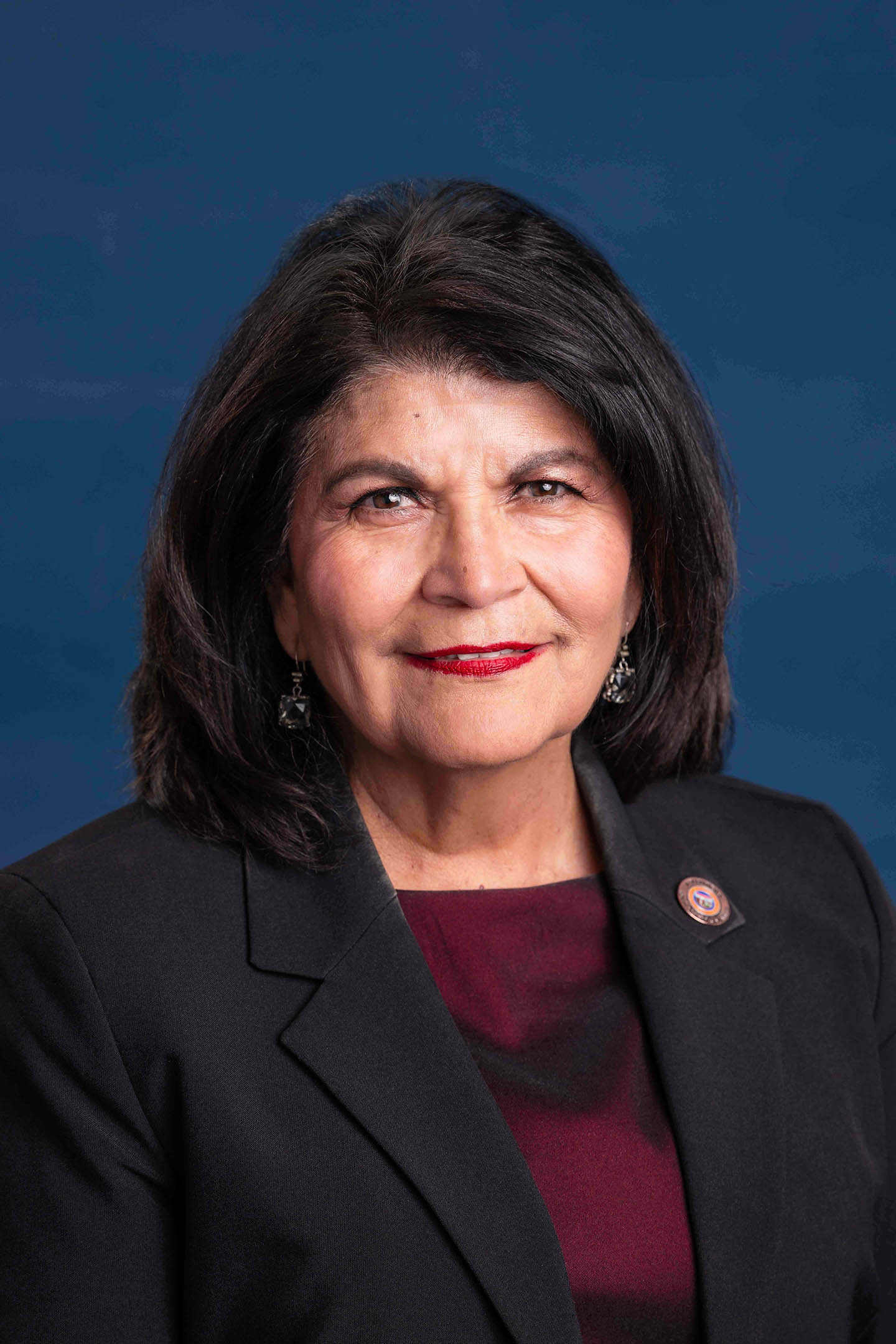
Rep. Betty Villegas
Sponsored bills
Maddy summaryHB 2532 (correctly titled "privacy protections" for property records, not election officers) allows eligible individuals to restrict public access to their personal information in county property records. It affects public officials, law enforcement personnel, and others facing safety threats by enabling them to file court affidavits proving danger, leading to 5-year restrictions on their address and identifying details in property indexes. Key mechanisms include a court review process to verify safety risks and a streamlined filing system for qualifying applicants (e.g., peace officers submitting through their agencies). The bill does not alter election procedures but creates a formal privacy pathway for high-risk professions and individuals with active safety concerns.
Maddy summaryHB 2534 updates Arizona's election rules for ballot delivery and handling. It requires election officials to provide clear instructions stating only voters or specific close contacts (family, household members, or caregivers) may handle or return ballots, explicitly prohibiting others from doing so under felony penalties. The bill revises mail ballot return procedures, adding 2026-specific options for returning ballots (via county office, polling place, or with ID) while maintaining the 7:00 p.m. election day deadline and warnings against ballot compensation. These changes aim to prevent unauthorized ballot collection and ensure proper handling, aligning with existing felony penalties for ballot abuse under Section 16-1005.
Maddy summaryHB 2500 creates the Arizona School Mental Health Professionals Academy, offering tuition and fee scholarships to graduate students pursuing school psychology, social work, or counseling degrees. Students receive up to three years of scholarship coverage (covering remaining costs after other aid) in exchange for a one-year service commitment per year of scholarship in Arizona public schools, particularly targeting high-need areas like rural schools, Indian reservations, and schools serving students with disabilities. The program is administered by the Arizona Board of Regents using a dedicated state fund, with institutions required to develop partnerships with schools and track graduates' employment. This policy directly affects graduate students in these fields and aims to increase mental health staffing in Arizona public schools through financial incentives tied to service.
Maddy summaryHB 2498 proposes a state-funded school safety program in Arizona to help school districts and charter schools hire staff including school resource officers, juvenile probation officers, counselors, social workers, and mental health professionals. Schools must submit detailed annual proposals by April 15 outlining safety needs, implementation plans (like law-related education or mental health programs), and evaluation methods for approval. The Arizona Department of Education will review proposals using crime and school data, distribute funds to approved programs, and require annual reports on effectiveness to state leaders. Funding is exempt from standard budget lapsing rules, allowing unused funds to carry over to the next fiscal year. The bill mandates specific requirements for mental health program proposals, including parent notification policies and community resource coordination.
Maddy summaryHB 2503 is a definitional bill that clarifies terms related to driver licenses and personal information in Arizona law. It defines key terms like "consular identification card" (a form of ID meeting specific state requirements), "highly restricted personal information" (including social security numbers, tax IDs, and medical data), and "express consent" for releasing such data. The bill establishes that personal information - including driver license details, medical codes, and identification numbers - cannot be shared without a customer's explicit written consent. This primarily affects how Arizona's Department of Transportation handles and discloses personal data, requiring opt-in consent for sharing sensitive information like tax IDs or medical records.
Maddy summaryHB 2248 requires well drillers in Arizona to include precise GPS coordinates in applications to drill new wells or deepen existing wells. This applies to all well applications filed with the state director, directly affecting well drillers, landowners, and groundwater users. The bill mandates that applications must include the well's legal description, GPS coordinates, well specifications, and other details like septic system locations for domestic use wells on small properties. Key provisions include requiring GPS coordinates (subsection C, paragraph 3) and site plans for domestic wells on parcels under five acres. The law aims to improve tracking and regulation of well locations for groundwater management.
Maddy summaryThis Arizona bill requires employers with 50+ employees to grant up to 16 hours per school year for school conferences or activities involving an employee's child. Employees must have worked at least six months, exhausted other leave types (except sick leave), and work at least half-time to qualify. Employers aren't required to pay for this time off and may deny requests if over 5% of staff request it simultaneously. The law applies to all public and private K-12 schools in Arizona and covers biological, adopted, foster, and stepchildren.
Maddy summaryHB 2476 sets aside $100 million from Arizona's general fund for the water conservation grant fund during fiscal year 2025-2026. This funding supports local projects that reduce water waste, such as upgrading infrastructure or promoting efficient irrigation practices. It directly benefits municipalities, water districts, and other entities applying for these grants under Arizona law. The bill provides concrete financial resources for water conservation initiatives without creating new regulations.
Maddy summaryHB 2495 amends Arizona law to establish standards for online schools and instruction. It requires new online schools to operate under probationary status for three years, demonstrating improved student academic performance before becoming permanent. The bill mandates daily time tracking for online students, sets specific curriculum and safety standards for online programs, and adjusts funding to 95% of base support for full-time online students (compared to traditional schools). These provisions directly affect Arizona online schools, their students, and school districts managing online enrollment. The bill does not relate to full-day kindergarten as the title suggests.