

Maddy summaryHB 2789 (Arizona) allows candidates for most state and local offices to pay a filing fee instead of collecting signature petitions to qualify for the ballot starting in 2028. This bill directly affects candidates running for Arizona state legislative seats, county offices, and other local positions (excluding federal races like Congress or President). The key provision requires the Secretary of State to set the fee amount and provide a notarized form for candidates to submit with payment, replacing the need for signature gathering. Candidates must still meet all other eligibility requirements to appear on the ballot.
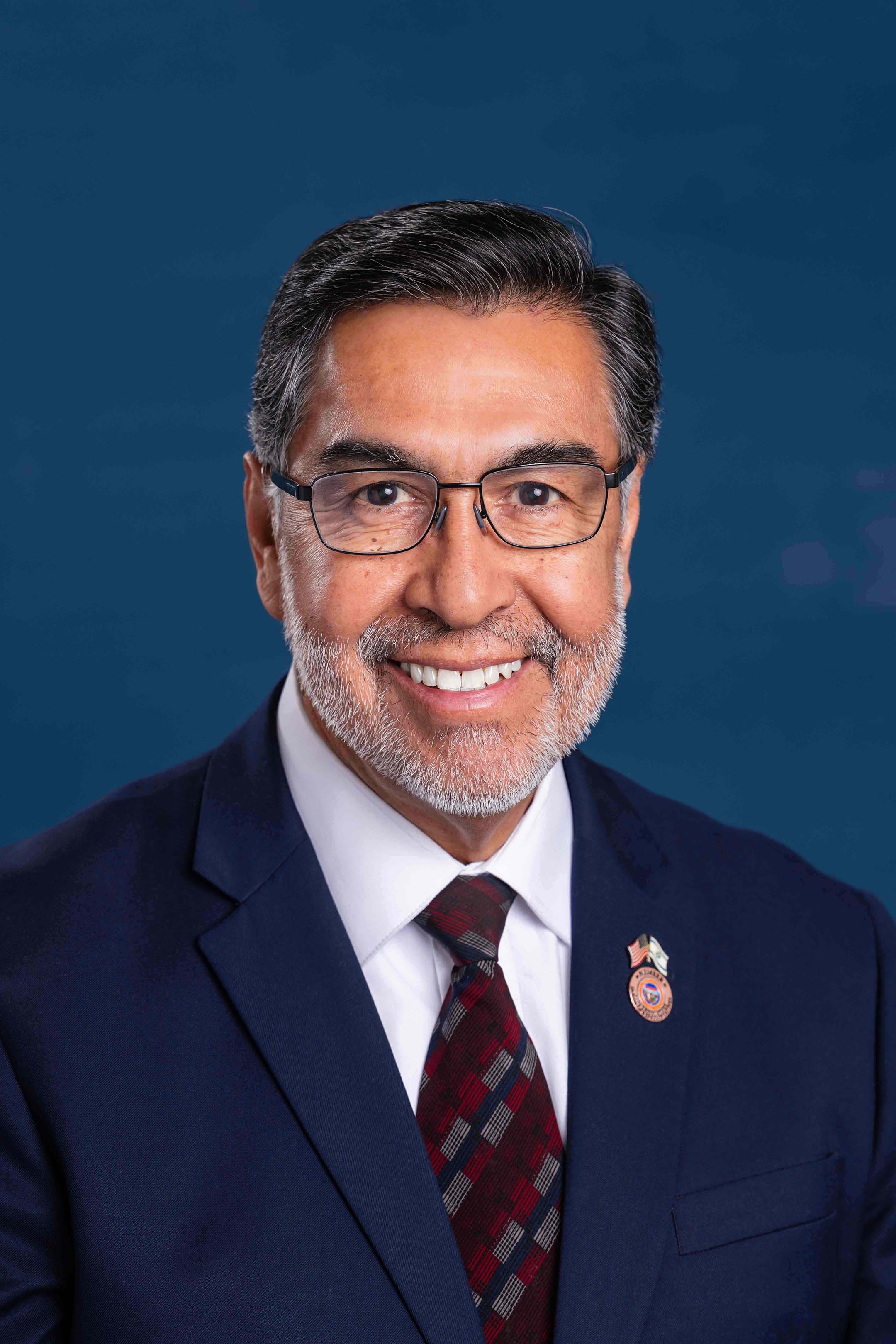
Rep. Lupe Diaz
Sponsored bills
Maddy summaryHB 2393 prohibits selling or giving tobacco products, alternative nicotine products (like e-cigarettes), vapor products, or related paraphernalia (e.g., hookahs) to anyone under 21 in Arizona. Minors who buy, possess, or falsely claim age to obtain these items face petty offenses with fines starting at $100 or 30 hours of community service. Businesses violating the law face escalating penalties: first violations incur $500-$750 fines plus mandatory education, while repeat offenses can lead to misdemeanor charges, $10,000 fines, or even felony convictions with sales bans. The law exempts religious use of shisha and gifts not intended for minor use.
Maddy summaryHB 2424 would allow Arizona political parties to permit proxy voting at their committee meetings under specific rules. It requires that state committee members grant proxies only to county voters, county committee members only to precinct voters, and in precincts with two or fewer committeemen, a committeeman may appoint a voter from an adjoining precinct to vote at county committee meetings. Proxies would be valid only for the duration of the meeting and must be notarized or witnessed by two people. This bill directly affects political party committee members and qualified voters who might serve as proxies.
Maddy summaryHB 2350 exempts rural fire districts in Arizona from providing workers' compensation coverage to volunteer firefighters. This bill directly affects rural fire districts and their volunteer firefighters by removing a legal requirement for these districts to cover work-related injuries. The key provision, added to Arizona Revised Statutes, states that rural fire districts are "exempt from providing workers' compensation" to volunteers. The bill is currently in early legislative stages (House First Reading on January 21, 2026).
Maddy summaryHB 2349 amends Arizona law to specifically exempt rural fire districts located in counties with fewer than one million residents from certain employment regulations. This change directly affects those fire districts and their workers, removing them from coverage under the state's employment chapter. The key mechanism is adding this exemption to the existing list of excluded employers in Arizona Revised Statutes § 23-902. The bill does not alter independent contractor rules or other provisions referenced in the statute. This is a targeted exception for rural fire districts in smaller counties, not a broad policy change.
Maddy summaryHB 2166 amends Arizona law to update rules for political parties establishing and operating legislative district committees. The bill specifies that these committees - made up of local party representatives - must organize after elections, elect officers (chair, vice chairs, secretary, treasurer), and meet on set schedules. It also details procedures for adjusting committee boundaries after redistricting, including how committees function during legal challenges to new district maps and how they transition when court rulings change district lines. This bill directly affects political parties in Arizona that form district committees under state law.
Maddy summaryHB 2157 appropriates one full-time position from the state general fund for the Arizona Game and Fish Department in fiscal year 2026-2027 specifically to fund a livestock loss inspector. This bill directly affects the Arizona Game and Fish Department by providing dedicated funding for this role. The key provision is a simple budget allocation for the position, with no substantive policy changes described in the bill text. As a procedural funding measure, it does not alter existing laws or regulations.
Maddy summaryHB 2160 establishes a committee to prepare for potential federal delisting of Mexican wolves in Arizona. The committee, composed of three appointed sportsmen, three cattlemen, and three wildlife conservationists, must develop a management plan by December 2027. Key provisions include creating hunting opportunities for sportsmen, compensating ranchers for livestock losses, and designing nonlethal wolf control programs. The plan aims to address conflicts between wolves and human activities if federal protections end. The committee will dissolve after June 2028, with the Arizona Game and Fish Commission receiving funds for administrative support.
Maddy summaryArizona's HB 2161 prohibits state agencies, including the Arizona Game and Fish Department, from using state funds or personnel to enforce the federal Endangered Species Act (ESA) or its incidental take permit program. The law specifically exempts the state's livestock loss program administered by the Arizona Livestock Loss Board. It is based on Arizona's constitutional authority (Article II, Section 3) to resist federal mandates that would require state resource use. The bill does not affect federal enforcement of the ESA but prevents Arizona from collaborating with or funding its implementation.
Maddy summaryHB 2154 prohibits Arizona state and local governments from using public funds for family planning services at providers that perform or facilitate non-federally qualified abortions. This directly affects clinics and health centers that offer abortion services not meeting federal reimbursement standards (defined as abortions not eligible for federal funding under the Social Security Act). The law requires public funding for family planning to follow a priority order (state facilities first, then hospitals and federally qualified health centers) and allows the attorney general or affected entities to enforce the ban through legal action. Violations may result in recouped funds and attorney fees.