

Maddy summaryHB 2155 continues Arizona's Beef Council as a self-financed program to market, develop, and expand markets for beef and beef products produced in Arizona, directly affecting the state's beef industry. The bill sets a fixed end date of July 1, 2034, for the council's operation and specifies that related provisions will be repealed on January 1, 2035. It applies retroactively from July 1, 2026, ensuring continuity of the council's activities during this period. The bill does not create new funding or alter the council's existing purpose, merely extending its operational timeline with a defined termination point.
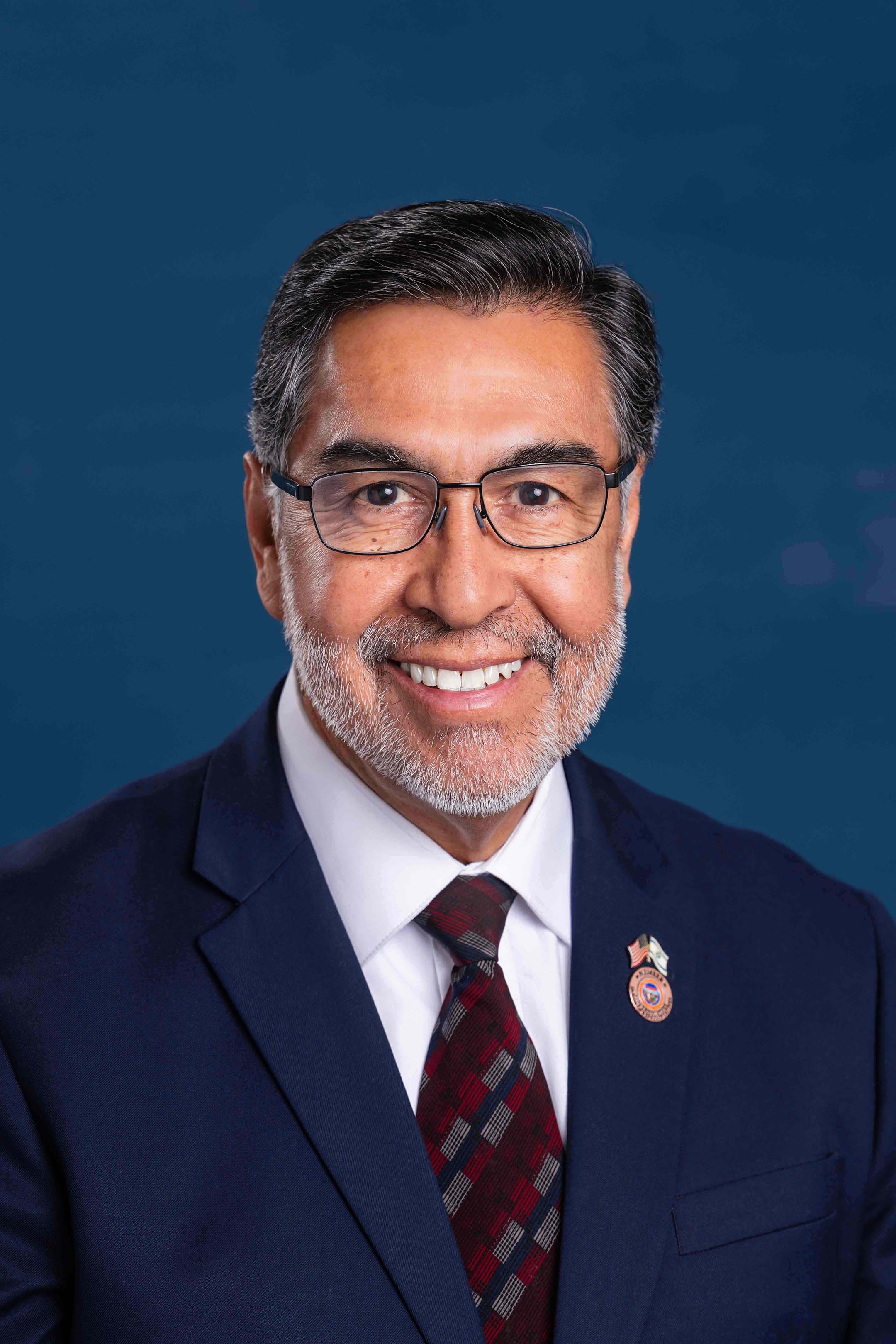
Rep. Lupe Diaz
Sponsored bills
Maddy summaryHB 2169 amends Arizona law to add liability for the Attorney General if they file a public nuisance lawsuit without a reasonable legal or factual basis. Specifically, if a court finds the lawsuit lacked merit and the Attorney General publicized the filing, they could face a defamation lawsuit with presumed damages and actual malice. The bill directly affects the Arizona Attorney General's office by imposing legal consequences for frivolous lawsuits under public nuisance laws. It does not change what constitutes a public nuisance (e.g., health hazards, obscenity near schools/parks) but adds a new accountability mechanism for the Attorney General's office.
Maddy summaryHR 2006 is a ceremonial resolution passed by the Arizona House of Representatives honoring Yvonne Glee Lime Fedderson, who died on January 23, 2026. The resolution expresses the House's sympathy to her family and admirers while recognizing her founding role in Childhelp and her decades of work advancing child welfare programs, including establishing the first national child abuse hotline and advocacy centers. It directs the Secretary of State to transmit copies of the resolution to her family and Childhelp organization. As a non-binding commemorative measure, it does not create new laws or affect any policies.
Maddy summaryHB 2164 allocates $3.73 million from Arizona's state general fund for fiscal year 2026-2027 to improve Reay Lane in Graham County. The funds will be distributed by the Arizona Department of Transportation to upgrade the road segment between U.S. Route 70 and Safford Bryce Road. This bill directly affects Graham County residents and travelers by funding specific road infrastructure improvements. As a funding measure, it does not create new policies but provides resources for a defined transportation project.
Maddy summaryHB 2304 allocates $41,384,400 from Arizona's state general fund for transportation projects in fiscal year 2026-2027. It directly funds 52 specific infrastructure improvements across 25 cities, counties, and tribal nations, including road reconstructions (e.g., Bullhead City's Baseline Road), bridge replacements (e.g., Globe's Pinal Creek Bridge), trail projects (e.g., Lake Havasu City's State Route 95 Multi-Use Trail), and pedestrian safety upgrades (e.g., Clarkdale's Broadway Street). The bill provides no new policy changes but authorizes state funding for pre-approved local projects. This is a routine appropriations measure, not a substantive legislative policy.
Maddy summaryHCR 2061 proposes a constitutional amendment to prohibit individuals holding dual citizenship from serving in Arizona state office. It would amend the state constitution to require all state legislators and other elected officials (as listed in Article V, Section 1) to be U.S. citizens at the time of election, explicitly barring those with dual citizenship from eligibility. This change would directly affect candidates running for state legislative seats and other state offices requiring U.S. citizenship. The amendment must be approved by voters in the next general election after being submitted by the Secretary of State, as it is currently in early legislative stages (House first and second readings in February 2026).
Maddy summaryHB 2790 clarifies Arizona's State Historic Preservation Office (SHPO) structure by requiring the governor to appoint a director and designate a full-time SHPO who reports program matters to the State Parks Board but submits the annual budget request directly to the governor's office, bypassing Board review. The bill prohibits the State Parks Board from altering the SHPO's budget or exercising strategic control, restricting its role to providing only administrative support like HR or IT services. It also updates the SHPO's duties to include conducting statewide surveys of historic properties and maintaining inventories of historic sites and cemeteries. This ensures the SHPO has budget independence while maintaining program coordination with the State Parks Board.
Maddy summaryHB 2924 amends Arizona's sales tax code (Section 42-5061) to update existing exemptions from the state's retail sales tax. It specifically clarifies exemptions for medical items like insulin, prosthetics, and durable medical equipment prescribed by licensed health professionals, as well as food, nonprofit sales, and certain educational materials. The bill does not create a new "fire apparatus" exemption as implied in its title - this appears to be a mislabeling, as the actual text revises other exemption categories. The changes directly affect businesses selling these exempt items, such as pharmacies, hospitals, schools, and nonprofits, by removing tax liability on qualifying transactions. The policy update focuses on refining existing tax law, not introducing new provisions.
Maddy summaryHB 2677 amends Arizona law to specifically prohibit preventing someone from entering or exiting a place of worship through physical blocking, detention, or force/threats. This directly affects individuals or entities who obstruct access to religious sites, such as security personnel or others blocking entrances. The bill classifies this act as a class 6 felony (unless the victim is safely released before arrest, making it a misdemeanor), adding it as a specific scenario under unlawful imprisonment. It defines "place of worship" per existing law and clarifies that this provision applies to the specific act of hindering religious access.
Maddy summaryHB 2920 requires app stores operating in Arizona to verify the age of users creating accounts and link accounts of minors (under 18, excluding married/emancipated individuals) to verified parent accounts. App stores must obtain parental permission before minors can download apps, make purchases, or access in-app purchases, and re-verify consent after significant app changes like new ads or in-app purchases. The bill mandates that app stores provide clear disclosures about age ratings, data collection, and privacy practices to parents before granting permission. It directly affects app store providers, minors under 18, and their parents within Arizona, with exemptions for preinstalled apps and core device functions.