

Maddy summaryHB 2766 requires Arizona cities and towns to apply municipal sales taxes uniformly to all food items (without differential rates), while exempting most food for home consumption, food packaging, and sales paid with SNAP benefits. It specifically excludes candy, confectionaries, soft drinks, and soda from the general food exemption, ensuring these remain taxable. The bill also exempts low-cost food sales to vulnerable groups (elderly, homeless, disabled) when purchased using SNAP benefits through approved programs. This amendment, effective January 1, 2026, modifies existing tax code to standardize food taxation and expand specific exemptions.
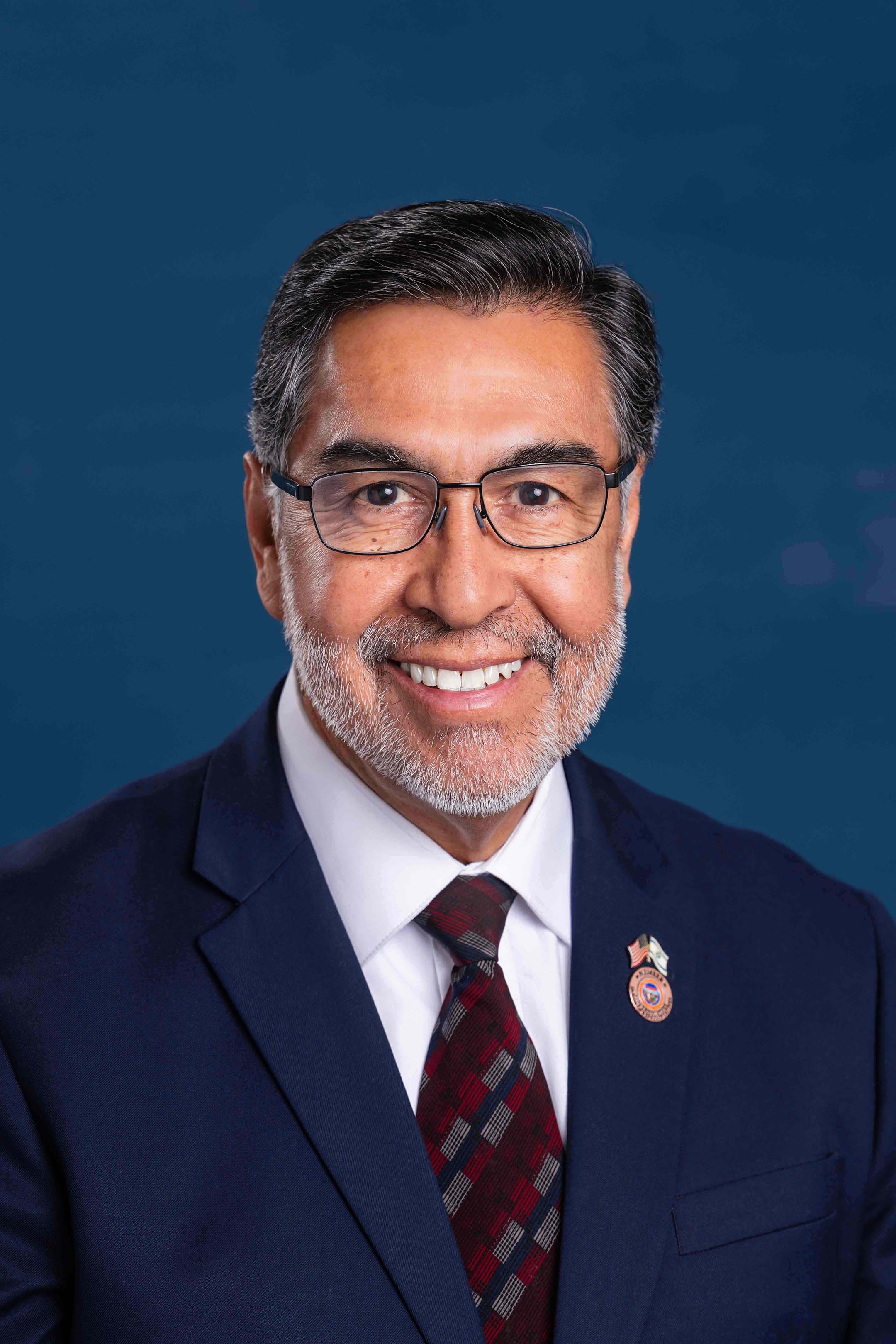
Rep. Lupe Diaz
Sponsored bills
Maddy summaryHB 2707 prohibits health professionals and health care institutions in Arizona from denying care or providing substandard care based on a patient's vaccination status. The bill makes it unprofessional conduct for health professionals to discriminate in this way and bans health care institutions from adopting policies allowing such discrimination. It directly affects hospitals, clinics, and medical providers by requiring them to treat all patients equally regardless of vaccination status. The law changes existing professional standards to explicitly forbid this form of discrimination in healthcare settings.
Maddy summaryHB 2692 appropriates $13.3 million from Arizona's general fund for the Department of Water Resources' maintenance and operations in fiscal year 2025-2026. The bill includes legislative findings criticizing the department for delays in processing water supply applications and diverting resources to political activities instead of core duties. It requires the department to refocus on statutorily defined responsibilities by reducing non-essential programs, directly affecting how the department allocates staff time and budget. This funding level aims to compel operational changes without altering water laws or regulations.
Maddy summaryHB 2694 allocates $5 million from Arizona's state general fund for fiscal year 2025-2026 to the Fry Fire District. This funding directly supports the district's fire contingency program and wildland firefighting operations. The bill provides specific financial resources to enhance wildfire preparedness and response capabilities for the Fry Fire District. As a procedural appropriation bill, it does not establish new policy but provides targeted funding for existing firefighting needs.
Maddy summaryHB 2545 amends Arizona election law (Section 16-411) to update rules for establishing election precincts and polling places. The bill allows counties to consolidate adjacent precincts for administrative efficiency, use voting centers (where any voter in the county can cast a ballot on election day), and establish emergency voting centers for specific elections with defined procedures. It also requires public schools to provide polling space when requested (with exceptions for safety or space), and mandates state coordination to provide state-owned facilities for voting starting in 2026. The provided bill text does not address early ballot returns or a "Friday return" as suggested by the title, so the amendment focuses solely on polling place logistics and voting center implementation.
Maddy summaryHB 2520 amends Arizona's duress defense law to limit when a defendant can claim they committed a crime due to threats of immediate physical force. Specifically, the defense cannot be used if the defendant intentionally created the situation where they faced duress, or for offenses involving homicide, serious physical injury, or certain violent crimes like aggravated assault or sexual offenses. This change directly affects criminal defendants in cases where they attempt to justify their actions using duress as a legal defense. The bill clarifies that the duress defense is unavailable for the most serious violent offenses, making it harder for defendants to avoid responsibility for those acts.
Maddy summaryHB 2199 requires that advertisements for prescription and nonprescription drugs on TV, radio, or online must clearly present major side effects and usage restrictions ("major statement") at the same volume, clarity, and pace as the rest of the ad. It prohibits using distracting audio or visual elements that could interfere with understanding these critical health details. The bill directly affects drug manufacturers and advertisers operating in Arizona. If passed, it would mandate that health risks are communicated as prominently as promotional content in digital and broadcast ads.
Maddy summaryHB 2550 (Department of Water Resources; Review) terminates Arizona's Department of Water Resources effective July 1, 2026. The bill also repeals related sections of law, including Title 45, Chapter 1, Article 1, on January 1, 2027. This procedural bill directly affects the state agency and its governing statutes, ending its operations and associated legal frameworks. No new policy provisions or funding changes are included; the bill solely addresses the department's termination and related statutory repeal.
Maddy summaryHB 2548 requires voter approval via a public election before designating new groundwater basins as "subsequent active management areas" in Arizona. It mandates that the director cannot designate such areas without a majority vote in an election held under state election laws, directly affecting residents and landowners in groundwater basins. Key provisions include public hearings, petitions from 10% of registered voters, and county recorders managing voter verification for basin residency. The bill also clarifies that new areas must cover entire basins (not partial portions) and requires publication of findings and maps. This changes prior procedures by adding a mandatory voter approval step for expanding groundwater management zones.
Maddy summaryHB 2549 appropriates state funds to the Water Infrastructure Finance Authority of Arizona to provide financial assistance grants for landowners in groundwater basins designated as "subsequent active management areas" (SAMAs). These grants enable landowners to hire outside advisors, attorneys, or consultants to legally challenge either the SAMA designation itself or the groundwater management plans/goals established for their area under Arizona law. The bill specifically targets landowners who legally irrigated with groundwater for at least part of the five years before the SAMA designation. It does not change groundwater regulations but provides funding to support landowners' legal efforts to contest those regulations. The bill is currently in early legislative stages (House first and second readings).