

Maddy summaryThis bill establishes a sunset provision for Arizona's State Natural Resource Conservation Board, requiring it to cease operations by July 1, 2032, and repeals the specific statutes governing its existence. While the board itself is set to dissolve, the legislation simultaneously reorganizes the state's natural resource conservation districts by transferring their existing laws from the Department of Environmental Quality to the Department of Land. Additionally, the act updates the definitions within the relevant statutes to clarify terms such as "landowner" and "irrigation district" to ensure consistency across state agencies. These changes effectively modernize the administrative structure for conservation districts while setting a future deadline for the overseeing board.
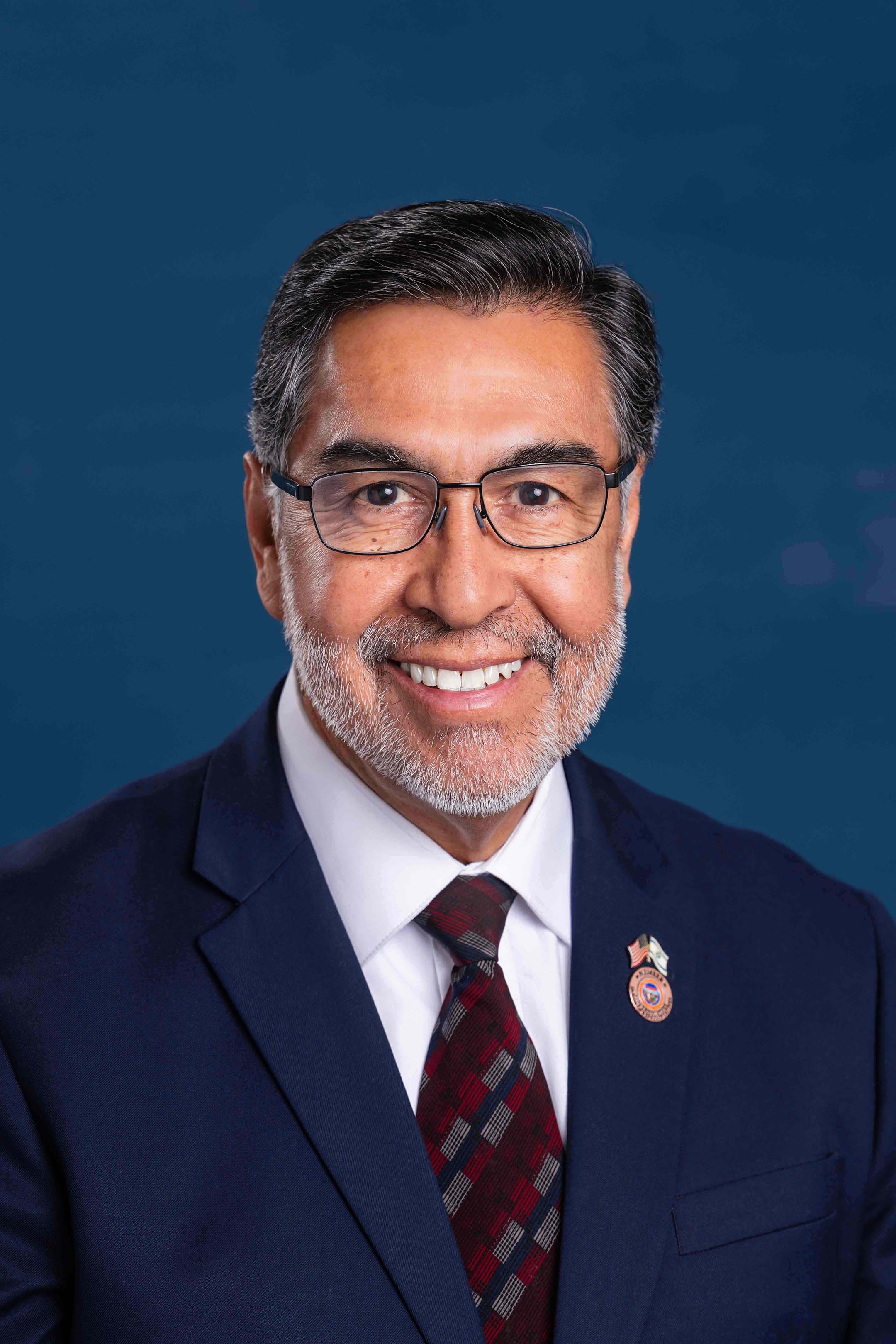
Rep. Lupe Diaz
Sponsored bills
Maddy summaryThis bill requires the Arizona Legislature to give explicit approval before the federal government can acquire private land within the state that would remove it from property tax rolls. To enforce this, the law mandates that real estate transactions involving federal purchases must go through a specific escrow process where the sale is reported to legislative leaders and reviewed by a joint committee. If the committee approves the sale, the legislature must pass a joint resolution granting consent; if it does not, the state gains the right to purchase the property itself. The legislation also establishes penalties for failing to follow these notification procedures and clarifies that these rules do not apply to existing federal mortgages or Indian trust lands.
Maddy summaryThis bill establishes a housing trust fund in Arizona to support affordable housing for low- and moderate-income households, with a specific requirement that a portion of the money be used exclusively for rural areas. The fund is financed through unclaimed property, transfers from other state accounts, and investment earnings, which the state treasurer will manage. Money from the fund can be used to build or renovate housing facilities and provide assistance for individuals with serious mental illness, while the director must prioritize projects that help families with children. The bill also mandates annual reports to the legislature detailing how the funds were spent and requires the department to consult with local governments before starting construction projects. Finally, the legislation exempts these funds from certain state appropriation rules and allows up to 10% of the fund to be used for administrative costs.
Maddy summarySB 1174 expands tuition waiver scholarships in Arizona for children and spouses of public safety and military personnel who died in the line of duty or from injuries sustained while traveling to or from work. The bill specifically includes individuals who suffered a posttraumatic stress injury and died by suicide, requiring verification from relevant memorial boards or the department of veterans' services. Eligible recipients can receive up to 64 credit hours at community colleges or enough credits for a bachelor's degree at universities, provided they meet age and marital status requirements. Additionally, the law extends these benefits to National Guard members with Purple Heart citations and veterans with significant service-connected disabilities.
Maddy summaryThis bill proposes a referendum to ban foreign governments and non-governmental sources from donating money or services to Arizona election administration or ballot measure campaigns. It requires vendors and service providers to submit sworn certifications confirming they have not accepted such foreign contributions, with annual updates and quarterly reporting to the Secretary of State. Violations of these rules could result in the invalidation of contracts, misdemeanor charges, and civil lawsuits allowing private citizens to seek damages and injunctions. The legislation explicitly excludes federally recognized sovereign tribal nations from the definition of foreign sources.
Maddy summaryThis bill proposes to declare drug cartels as terrorist organizations within Arizona state law. It directs the Department of Homeland Security to take all actions within its authority to address the threat posed by these groups. The legislation defines a drug cartel as an association involved in human smuggling, drug trafficking for profit, or acts of terrorism, and defines a threat as anything harming individual rights or public safety. If approved by voters, this change would formally categorize drug cartels alongside terrorist organizations for legal and enforcement purposes.
Maddy summaryThis bill establishes new criminal penalties for drug-related activities within designated areas around homeless shelters and service facilities in Arizona. It makes it a felony with increased sentencing for selling drugs in these zones and a misdemeanor for operators of state-funded homeless services who allow drug use on their premises. Additionally, the law requires these facilities to post permanent signs identifying their grounds as drug-free zones. The legislation also mandates that convicted individuals pay a fine of at least $2,000 or three times the value of the drugs involved, whichever is higher, without the possibility of suspending the fine.
Maddy summaryThis bill requires dental business entities in Arizona to register with the Dental Board and file annual applications detailing their services, leadership, and the dentists responsible for care. To maintain registration, these entities must pay fees, notify the board of any changes within thirty days, and establish written protocols for securely storing and transferring patient records. The legislation also grants the board authority to impose civil penalties, suspend registrations, or issue cease-and-desist orders for violations, while explicitly excluding sole proprietorships and certain professional corporations from these requirements. Additionally, the bill prohibits individuals with revoked or surrendered dental licenses from holding a majority ownership interest in registered dental businesses.
Maddy summaryThis Arizona bill establishes a formal licensure system for anesthesiologist assistants, allowing them to legally practice under the supervision of a licensed anesthesiologist. To obtain a license, applicants must graduate from an accredited program, pass a national certification exam, and pay required fees, with licenses valid for two years. The law defines the specific medical tasks these assistants can perform, such as developing anesthesia care plans, evaluating patients, and administering medications, while ensuring a supervising anesthesiologist remains immediately available to intervene if necessary.
Maddy summaryThis Arizona bill prohibits businesses from intentionally labeling food products as meat, fish, or poultry if they were not derived from slaughtered animals. It specifically requires that labels for cell-cultured or plant-based alternatives clearly disclose their non-animal origin in terms of similar prominence to any animal claims. While the law bans deceptive labeling, it explicitly allows companies to use descriptive terms like "cell-cultured," "lab-grown," or "plant-based" to identify these products. The state Department of Health Services is authorized to investigate violations and impose civil penalties of up to $100,000 for each instance of misrepresentation.