

Maddy summaryHB 2546 would have moved school election administration in Arizona from school districts to county election offices. It required county recorders to maintain voter registration rolls for school elections and mandated that county election officers conduct school elections using the same procedures as county elections. The bill also specified that candidates for school district offices must file nomination papers with the county school superintendent (not the county elections office), aligning school elections with standard county election processes. This bill failed to pass on March 12, 2025, so these changes were never implemented.
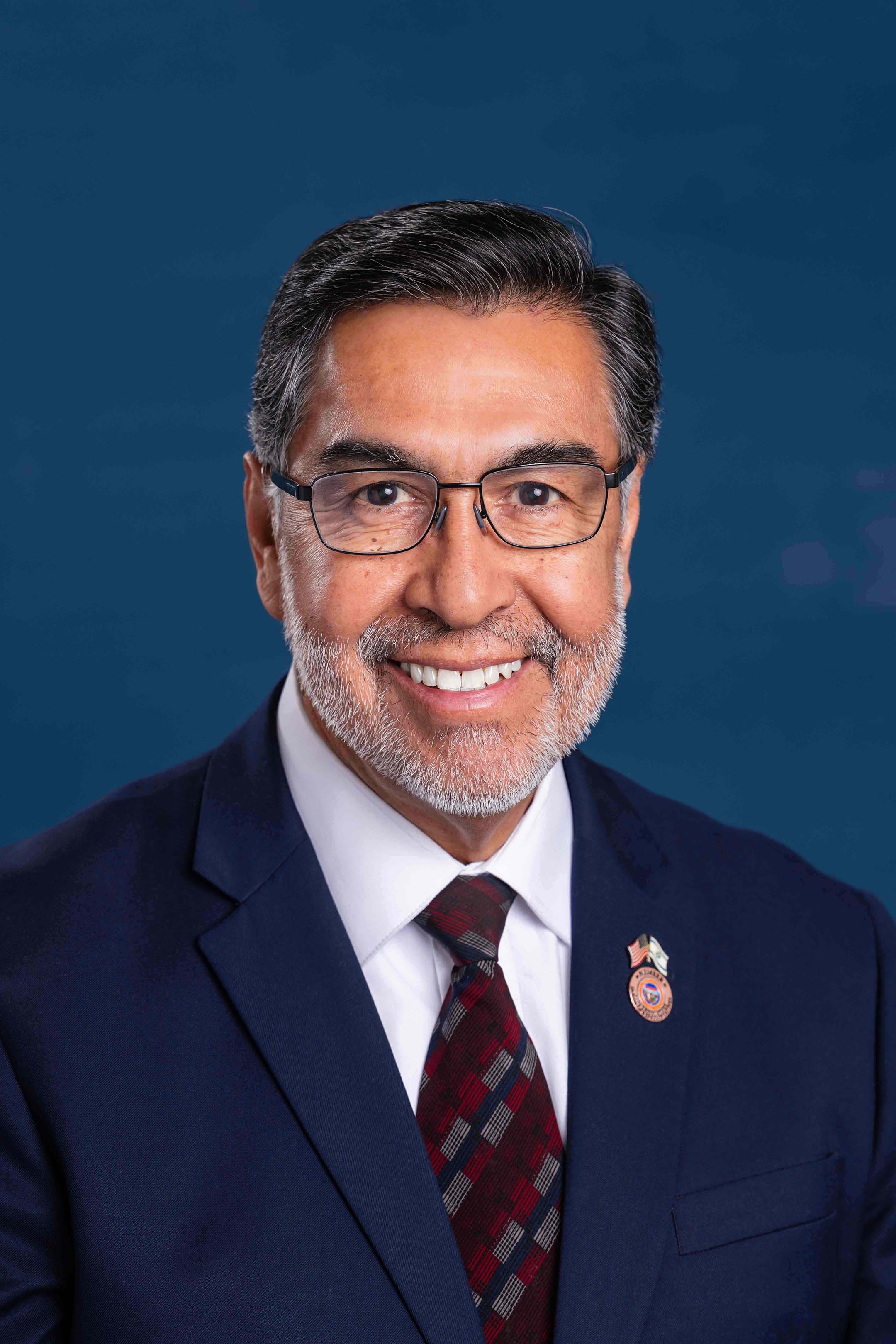
Rep. Lupe Diaz
Sponsored bills
Maddy summaryThis bill prohibits Arizona government entities and election vendors from using money or services from foreign governments or non-citizens for election administration. It also bans foreign entities from funding efforts to influence ballot measure outcomes. Vendors must provide annual written statements confirming they don’t receive foreign funds, with penalties for false statements (up to three times the contract value). The law explicitly excludes federally recognized tribal nations from the definition of "foreign government."
Maddy summaryHB 2739 requires manufacturers, packagers, or retailers of food products made from cultivated cells (like lab-grown meat) to label the product packaging with "This food product is derived from cultivated cells." The bill directly affects food companies producing such products sold in Arizona. Its key provision mandates this specific labeling language on all packaging, ensuring consumers can identify these products. The law does not restrict the sale of cultivated cell products but requires clear disclosure of their origin.
Maddy summaryHB 2833 updates Arizona's rules for political parties' legislative district committees, affecting how these committees organize after redistricting. The bill requires committees to reorganize using new district boundaries following reapportionment legislation, electing leaders like a chairman and secretary, and clarifies that the district chair automatically joins the county committee (without voting) if they live in that county. It also establishes that existing committees continue operating during legal challenges to redistricting until a court resolves the issue, after which old committees dissolve. The bill passed the Arizona House in February 2025 and moved to the Senate for further consideration.
Maddy summaryHB 2635 amends Arizona's tax code to add new sales tax exemptions for specific items. It exempts sales of "cash equivalents" (like gift cards, stored-value cards, and prepaid digital payment tools) and "precious metal bullion" (refined gold, silver, etc.) from retail sales tax. The bill defines "cash equivalents" as pre-paid items denominated in money redeemable for goods/services, excluding telecom prepaids, and clarifies that "monetized bullion" (coins used as currency) is exempt. This directly affects retailers selling these items, removing tax liability on such transactions. The bill focuses solely on tax policy, with no provisions related to firearm storage devices as inaccurately suggested in the title.
Maddy summaryHB 2082 amends Arizona's retail tax code to add a new exemption for tangible personal property sold to qualifying hospitals or healthcare organizations. Specifically, it exempts property sold to these entities when used solely for providing health, medical, educational, or charitable services. This change expands existing tax exemptions listed under Arizona Revised Statutes § 42-5061, directly affecting healthcare providers that meet the statutory definition in § 42-5001. The bill does not address wastewater pipes or infrastructure, as its focus is solely on broadening tax exemptions for healthcare-related purchases.
Maddy summaryHB 2552 amends Arizona wildlife laws to explicitly prohibit rules that would ban the use of dogs for hunting. It directly affects hunters using dogs and wildlife management commissions by requiring that commission rules "shall not prohibit the use of dogs to take wildlife." The bill adds a new requirement for the commission to consider economic impacts on resource-dependent communities when making wildlife management policies. Key provisions include clarifying that hunters may legally use dogs to take wildlife and mandating that economic impact assessments be part of rulemaking processes.
Maddy summaryHB 2675 extends the Arizona Exposition and State Fair Board's operations until July 1, 2033, after which the board will automatically terminate. The bill requires the board to maintain fairgrounds and the Arizona Veterans Memorial Coliseum, host state fairs, and cover operating costs until its end date. It also mandates a legislative review of the board’s compliance with audit recommendations by January 2029. The changes take effect retroactively from July 1, 2025, ensuring continuity through the termination date.
Maddy summaryHB 2378 allows individuals previously convicted of juvenile offenses to apply for restored firearm rights after completing probation or juvenile corrections. It specifically requires a 25-year wait for those convicted of dangerous offenses (like arson or burglary), and a 2-year wait for other felonies after discharge. The bill streamlines the process by eliminating court filing fees and directing applications to juvenile or superior courts. This directly affects Arizona residents with past juvenile felony convictions seeking to regain firearm possession rights.
Maddy summaryHB 2093 amends Arizona law to clarify civil penalties for violations related to subdivided land sales. It sets fines up to $2,000 per violation lot for subdivider or agent misconduct (like violating rules or engaging in unlawful practices), and up to $5,000 per violation for selling/leasing lots without required public reports from the commissioner. These penalties apply to subdivisions created after December 31, 2008, and enforcement actions must begin within five years of discovery. The bill directly affects developers and agents selling subdivided land in Arizona who fail to comply with reporting requirements or engage in prohibited practices.