

Maddy summaryHB 2087 appropriates $________ from Arizona's state general fund for fiscal year 2025-2026 to clean and restore specific artificial groundwater recharge facilities. It directly affects the state department responsible for water management and communities relying on these facilities in designated groundwater basins that also provide flood control benefits. The bill requires funding only for facilities meeting two criteria: being in a state-designated groundwater management area and offering flood control. The appropriation is exempt from standard rules requiring annual reauthorization. This bill focuses solely on funding mechanisms, not policy changes to water management.
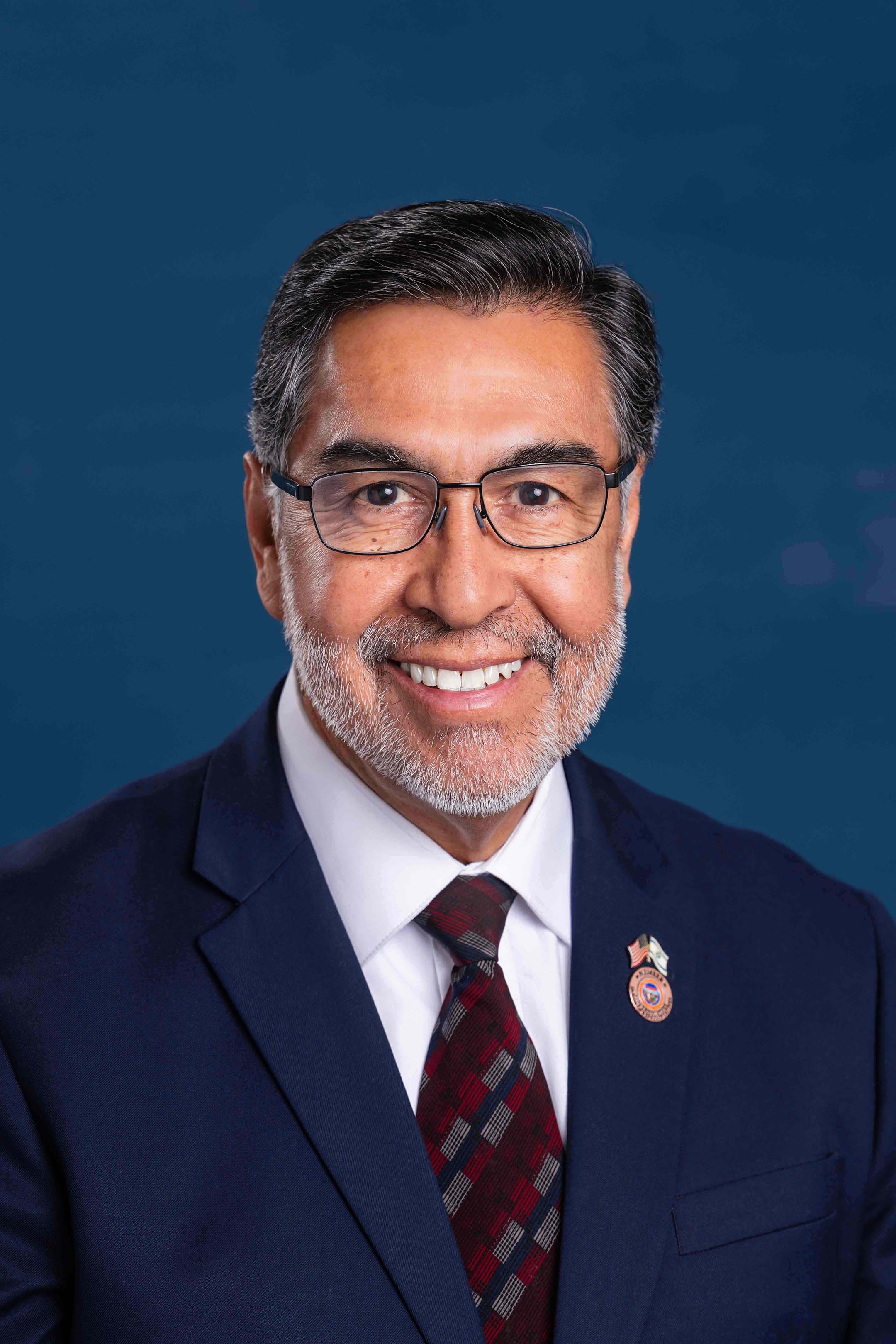
Rep. Lupe Diaz
Sponsored bills
Maddy summaryHB 2855 declares that drug cartels operating in Arizona are terrorist organizations under state law. It defines "drug cartel" to include groups involved in human smuggling, drug trafficking, or terrorism, and requires the Arizona Department of Homeland Security to address the threat they pose. The bill explicitly states this definition does not affect individuals' claims for asylum under federal law. This legislation aims to empower state agencies to combat border-related criminal activity, based on voter-approved findings about public safety concerns linked to transnational cartels.
Maddy summaryHB 2115 makes it illegal to observe a nude minor solely for the purpose of sexual gratification, classifying this as a class 2 felony. The law directly affects individuals who engage in this conduct, applying to all minors regardless of age. This amendment to Arizona law (Section 13-3553) specifically adds "observing a nude minor for sexual gratification" as a new prohibited act under sexual exploitation of a minor charges.
Maddy summarySB 1102 prevents pharmacy benefit managers (PBMs) from suddenly removing a prescription drug from coverage for patients already taking it, unless the drug is discontinued. It requires PBMs to provide 60 days' notice before changing drug coverage and establishes a streamlined process for doctors to request continued access to excluded medications. Patients must obtain approval through this exception process to keep using a drug that was previously covered but is now excluded from the formulary. The law applies to all health insurers and PBMs in Arizona, ensuring continuity of care for those on established prescriptions.
Maddy summaryHB 2544 allocates five additional full-time positions within the Arizona Department of Agriculture specifically for brand inspectors. The bill directs the department to prioritize these new inspectors for inspections in Graham and Greenlee counties, focusing on verifying livestock branding to prevent theft and ensure proper identification. This is a funding adjustment to the 2024-25 budget, adding $16,941,200 in operating funds for the department while specifying the geographic focus for the new staff. The direct effect is increased brand inspection services for livestock owners in Graham and Greenlee counties.
Maddy summarySB 1128 requires Arizona's air quality agency to consider emissions from other U.S. states and solar radiation effects when updating air quality plans, while explicitly excluding emissions originating outside the United States. It also authorizes Arizona's attorney general to sue the EPA if the agency refuses to approve plans demonstrating Arizona would meet ozone standards without foreign emissions. The bill is based on Arizona's claim that over 80% of ozone pollution in the Maricopa nonattainment area (Phoenix metro) comes from outside U.S. borders. This changes how Arizona factors external pollution into its air quality strategy and provides a legal path to challenge the EPA's interpretation of federal law.
Maddy summaryHB 2725 requires Arizona public schools to display U.S. flags (made in the U.S.) and provide Constitution/Bill of Rights copies (also U.S.-made) in classrooms for grades 7-12, and to set aside time daily for students to recite the Pledge of Allegiance. Schools must notify parents if a student skips the Pledge during this designated time. The bill also mandates a 1-2 minute daily moment of silence at the start of each school day for all grades (K-12), with teachers encouraged to discuss its use with parents but not suggesting specific reflections. Private schools, parochial schools, and homeschools are exempt from these requirements.
Maddy summaryThis bill prohibits Arizona from using public funds to support family planning services at facilities that perform or promote abortions. It requires state and local funding for family planning to prioritize state-owned health facilities, hospitals, and federally qualified health centers, while banning contracts with providers offering non-federally qualified abortions (abortion services not covered by federal Medicaid). The law allows the state attorney general or affected entities to sue for repayment of improperly spent funds and recover attorney fees. It directly affects family planning providers receiving state or local funding who offer abortion services outside federal Medicaid eligibility.
Maddy summaryArizona's HB 2681 establishes requirements for physicians prescribing medication abortions. It mandates in-person examinations, pregnancy verification, Rh blood testing, and disclosure of physical/psychological side effects (including bleeding and seeing pregnancy tissue) before providing abortion-inducing drugs. Physicians must also schedule a 7-14 day follow-up visit to confirm the abortion is complete, document efforts to ensure the visit occurs, and provide the patient with the contact information of an associated physician for complications. The bill prohibits mailing or delivering abortion drugs via courier and creates civil liability for violations, allowing patients to seek $5,000 statutory damages plus medical costs and attorney fees. It explicitly states this law does not create a right to abortion or make unlawful abortions legal.
Maddy summaryHB 2223 creates "renewable energy incentive districts" in unincorporated Arizona counties to streamline wind farm development. Counties must designate these districts based on specific criteria (e.g., land suitability, compatibility with existing uses, and alignment with county plans) before approving projects. The bill requires counties to expedite permitting for wind farms within these districts while mandating strict public notice procedures (30-day newspaper ads, physical postings, certified mail to neighbors) and imposing a 90-day timeline for permit decisions. Wind farm developers must also provide a financial bond to cover property damage, environmental cleanup, and liability claims arising from their operations. This bill directly affects county governments, landowners, and renewable energy developers by altering zoning, permitting, and financial accountability processes.