

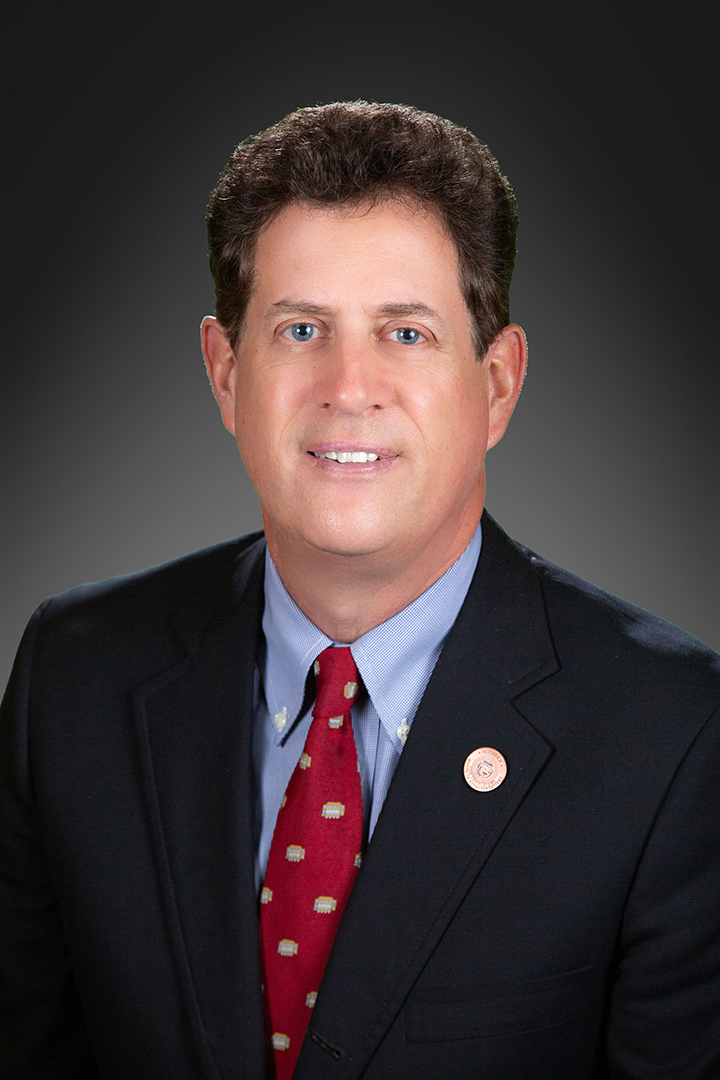
Photo of Chris Mathis
D Arizona House · District 18 On the 2026 ballot

Rep. Chris Mathis

Compare
Total votes
3,594
all sessions
Attendance
99%
52 missed
Near the chamber average
With party
96%
of cast votes
Higher than 91% of chamber peers
Bipartisan score
4%
crosses aisle rarely
Lower than 100% of chamber peers
Sponsored
414
bills & resolutions
Near the chamber average
Committees
4
assignments
414 bills and resolutions

Sponsored bills

Total
414
Primary
76
Co-sponsor
338
This page
414
matching current filters
Primary HB 2569
Introduced · Arizona House · Lead sponsor
terminally ill individuals; end-of-life decisions

Maddy summaryHB 2569 allows terminally ill Arizona residents with capacity to obtain a prescription for medication to end their life under strict safeguards. It requires two witnesses (not related to the patient or entitled to their estate), counseling to confirm mental capacity and absence of depression, and detailed discussions about alternatives like hospice care. The bill mandates that physicians verify a terminal diagnosis (expected death within six months), ensure the patient's decision is voluntary, and document all steps before issuing a prescription. This law directly affects qualifying terminally ill adults in Arizona seeking end-of-life options, with no provision for physician administration of medication.

Introduced Jan 21, 2026 0 co-sponsors
Co-sponsor HB 2391
Introduced · Arizona House · Co-sponsor
vloggers; minors; compensation; trust accounts

Maddy summaryHB 2391 requires vloggers (parents or guardians creating compensated video content featuring minors) to set aside earnings for minor children when their name, likeness, or image appears in at least 30% of compensated videos meeting platform compensation thresholds or $0.10 per view. For single minors, 15% of the relevant earnings must be held in a trust; for multiple minors, 10% of the combined earnings is distributed equally. Minors can later request permanent deletion of their content from platforms upon reaching 18, with platforms required to comply. The bill applies to Arizona-based vloggers using minors' content for compensation, defining key terms like "minor child" (under 18 residing in Arizona) and "content percentage."

Introduced Jan 21, 2026 1 co-sponsor
Co-sponsor HB 2466
Introduced · Arizona House · Co-sponsor
employment; labor standards; meal breaks

Maddy summaryArizona's HB 2466 requires most Arizona employers to provide employees with specific break and pay protections. It mandates a 30-minute unpaid meal break after 5 hours of work (and an additional break after 12 hours), a paid 10-minute rest break every 4 hours, and extra pay rates: 1.5 times the regular wage for hours worked beyond 8 but not exceeding 12 in a day or for the first 8 hours on the seventh consecutive workday, and double the regular wage for hours beyond 12 in a day or beyond 8 hours on the seventh consecutive workday. The law applies to employers with annual sales of $100,000 or more or those engaged in interstate commerce, aligning with federal labor standards. This directly affects hourly workers and employers across Arizona who fall under these thresholds.

Introduced Jan 21, 2026 1 co-sponsor
Co-sponsor HB 2468
Introduced · Arizona House · Co-sponsor
peace pole monument; governmental mall

Maddy summaryHB 2468 authorizes placing a Rotary International peace pole monument in a designated area of Arizona's governmental mall. The bill requires Rotary International to cover all costs for fundraising, design, and construction - state funds cannot be used, and the government cannot facilitate fundraising. It also specifies the monument authorization expires on September 30, 2029. This is a procedural bill focused on monument placement with clear funding restrictions and a sunset date.

Introduced Jan 21, 2026 1 co-sponsor
Co-sponsor HB 2475
Introduced · Arizona House · Co-sponsor
law enforcement; face coverings; prohibition

Maddy summaryHB 2475 prohibits Arizona law enforcement officers from wearing face coverings that conceal their face while on duty, directly affecting all police departments, sheriff's offices, and state law enforcement agencies. It requires each agency to create and publicly post a policy restricting face coverings to specific exceptions: active undercover work (with authorization), tactical operations requiring protective gear, or special weapons teams during active duties. The bill explicitly excludes clear masks, medical masks, safety gear for hazardous conditions, and motorcycle helmets from the prohibition. This law aims to increase officer visibility and public trust during routine interactions.

Introduced Jan 21, 2026 1 co-sponsor
Primary HB 2536
Introduced · Arizona House · Lead sponsor
legislators; salary; county supervisors

Maddy summaryHB 2536 would set Arizona legislators' annual salary equal to the annual salary of county supervisors, effective January 1, 2027. It would require that any recommendations for legislative pay changes be submitted to voters for approval via referendum at the next general election. The bill would not take effect unless voters approve a constitutional amendment for state officer compensation at the next general election. This change removes the legislature from the regular pay review process for state officers.

Introduced Jan 21, 2026 0 co-sponsors
Co-sponsor HB 2712
Introduced · Arizona House · Co-sponsor
residential tenant evictions; court report

Maddy summaryHB 2712 requires Arizona courts to create public reports for every eviction case where a landlord wins. The reports must include the location (city/county), the reason for the eviction, and be made publicly accessible. This bill directly affects courts (which must compile the reports) and the public (which gains access to this data). It does not change eviction laws or tenant/landlord rights, only adding a reporting requirement for eviction judgments.

Introduced Jan 21, 2026 1 co-sponsor
Primary HB 2550
Introduced · Arizona House · Lead sponsor
rural water sustainability fund; appropriation

Maddy summaryHB 2550 establishes a $500,000 Rural Watershed Sustainability Initiative Fund in Arizona, funded by a state appropriation for fiscal year 2026-2027. The fund provides grants to eligible rural watershed groups to cover operational costs like staff training, technology, salaries, and grant-writing fees, with priority given to groups in high-risk groundwater areas with clear water conservation goals. The Department of Water Resources administers the fund, can use up to 15% of funds for administration, and must submit annual reports starting December 1, 2027. The bill directly affects local rural watershed groups by addressing their funding barriers for water conservation and drought resiliency work.

Introduced Jan 21, 2026 0 co-sponsors
Co-sponsor HB 2737
Introduced · Arizona House · Co-sponsor
chatbot regulations; personal data; requirements

Maddy summaryHB 2737 regulates chatbot providers in Arizona by requiring explicit user consent before using personal data or chat logs. It prohibits providers from processing personal data for chatbot outputs without affirmative consent, using chat logs to target advertisements, or processing minors' data without parental consent. The law mandates that consent requests must be clear, stand-alone, accessible to people with disabilities, and offer an equally prominent option to decline. Chatbot providers must also obtain separate consent to use adult users' data for training or profiling beyond fulfilling specific user requests. This directly affects companies developing or deploying chatbots within Arizona, imposing new data privacy requirements.

Introduced Jan 21, 2026 1 co-sponsor
Co-sponsor HB 2718
Introduced · Arizona House · Co-sponsor
landlord tenant; rental amounts

Maddy summaryHB 2718 establishes a new annual rent increase cap for most Arizona rental properties, limiting increases to the annual consumer price index (CPI) plus 3% (capped at a maximum 7% total increase per year). This applies to landlords after the first 36 months of a newly built property’s occupancy. The law requires the Arizona Department of Housing to calculate permissible increases, accept tenant complaints about violations, and refer cases to the attorney general for enforcement. It also includes provisions for landlords to handle tenant property or animals if a tenant dies or becomes incapacitated, requiring updated contact information for authorized retrieval.

Introduced Jan 21, 2026 1 co-sponsor
Showing 61 to 70 of 414 bills
Previous 1 6 7 8 42 Next