

Maddy summaryHB 2578 amends Arizona law to add a new provision (Section 13-3102, subsection 17) making it a crime for an adult to fail to take reasonable measures to prevent a minor from accessing a firearm. This directly affects parents, guardians, or anyone responsible for minors who have firearms in their care. The key mechanism requires adults to secure weapons so minors cannot access them, with penalties for negligence in this duty. The law does not prohibit firearm ownership but targets preventable access by children through specific safety measures. (This summary focuses solely on the policy change described in the bill text.)
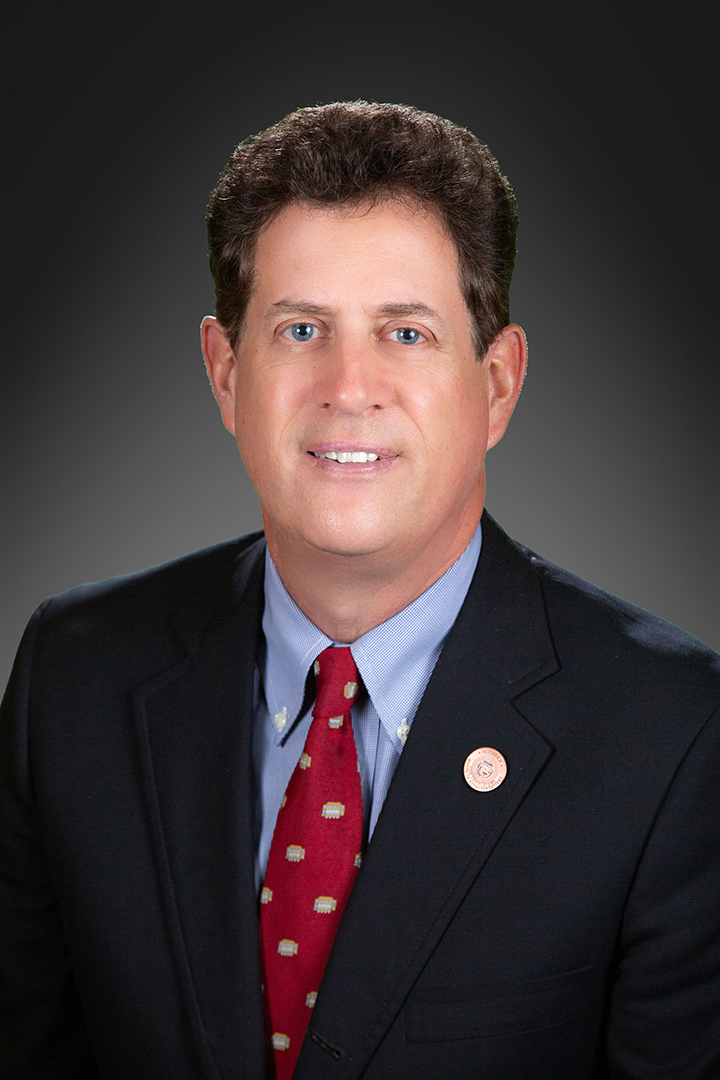
Rep. Chris Mathis
Sponsored bills
Maddy summaryHB 2469 establishes a temporary committee to study how to train retail and lodging employees to identify and respond to human trafficking victims in both urban and rural areas. The committee, composed of 16 members including legislators, state agency representatives, chamber of commerce leaders, academic experts, healthcare providers, and tribal community members, must evaluate training methods and submit a report to state leaders by June 30, 2028. The committee expires December 31, 2028, with no immediate policy changes enacted.
Maddy summaryHB 2463 creates a task force to study employee misclassification and payroll tax fraud specifically in Arizona's construction industry. The task force, composed of state agency representatives (including the Industrial Commission, Department of Insurance, and Contractor Registrar), will examine revenue losses, enforcement gaps, and prevention strategies. It must report annually to state lawmakers starting in 2028, including recommendations on improving investigations, public awareness, and interagency cooperation. The bill does not change current laws but aims to inform future policy based on the task force's findings.
Maddy summaryThis resolution proposes repealing Arizona's constitutional "right to work" provision (Article XXV), which currently prohibits requiring union membership as a condition of employment. If approved by voters, it would remove this constitutional protection, altering Arizona's labor law framework. The measure will be submitted to voters at the next general election as required by state law.
Maddy summaryHB 2546 appropriates $1 million from Arizona's state general fund for fiscal year 2026-2027 to the University of Arizona. This funding will support a health study testing blood levels of PFAS (perfluoroalkyl and polyfluoroalkyl substances) in Arizonans who get drinking water from private groundwater wells or public water systems contaminated with PFAS above U.S. EPA safety limits. The study directly affects residents in areas with confirmed water contamination, focusing on health impacts from these chemicals. The bill creates a specific state-funded health assessment program without altering existing water regulations or imposing new requirements on water providers.
Maddy summaryThis bill, if approved by Arizona voters, would increase the state's minimum wage to $12 per hour starting January 1, 2020, with annual inflation adjustments beginning in 2028 based on the consumer price index. It would allow employers to pay tipped workers a base wage up to $3 less per hour than the minimum wage if tips make up the difference, but this exception would end on January 1, 2030, requiring full minimum wage payment for all workers thereafter. The measure directly affects Arizona workers, particularly low-wage and tipped employees, and aims to provide a wage floor that rises with living costs.
Maddy summaryHB 2740 appropriates $500,000 from Arizona's state general fund for the Arizona Office of African-American Affairs' operating expenses during fiscal year 2026-2027. This funding bill directly supports the office's ongoing operations, including staff and administrative costs. The legislation provides no new policy changes or program expansions, solely allocating existing state funds for the office's current functions. As a procedural budget measure, it does not affect specific constituents or create new requirements.
Maddy summaryThis bill, HB 2534, removes an existing legal provision from Arizona Revised Statutes Section 28-9204. The repeal directly affects the state's legal code by eliminating a specific section that previously existed. The bill does not establish new policies or allocate funds, as it only deletes prior statutory language. This action may clear the way for future legislative changes related to the repealed section.
Maddy summaryHB 2739 would limit annual rent increases for Arizona tenants aged 65 or older to a maximum of 3%. Landlords renting to seniors would be prohibited from raising rents by more than this percentage each year. The bill directly affects senior renters in Arizona and their landlords, aiming to provide housing cost stability for fixed-income residents. Currently pending in the Arizona legislature (after House first and second readings in January 2026), it has not yet become law.
Maddy summaryHB 2715 repeals Section 9-461.16 of Arizona's zoning code, which previously addressed specific municipal planning procedures. This bill does not alter the main zoning regulations found in Section 9-462.01 (which governs land use, building standards, and special districts like historical or age-restricted zones). Municipalities will continue to operate under the existing zoning framework, as this repeal only removes one specific section from the statutes. The bill directly affects local governments that implement zoning ordinances but does not change how communities regulate housing or land use.