

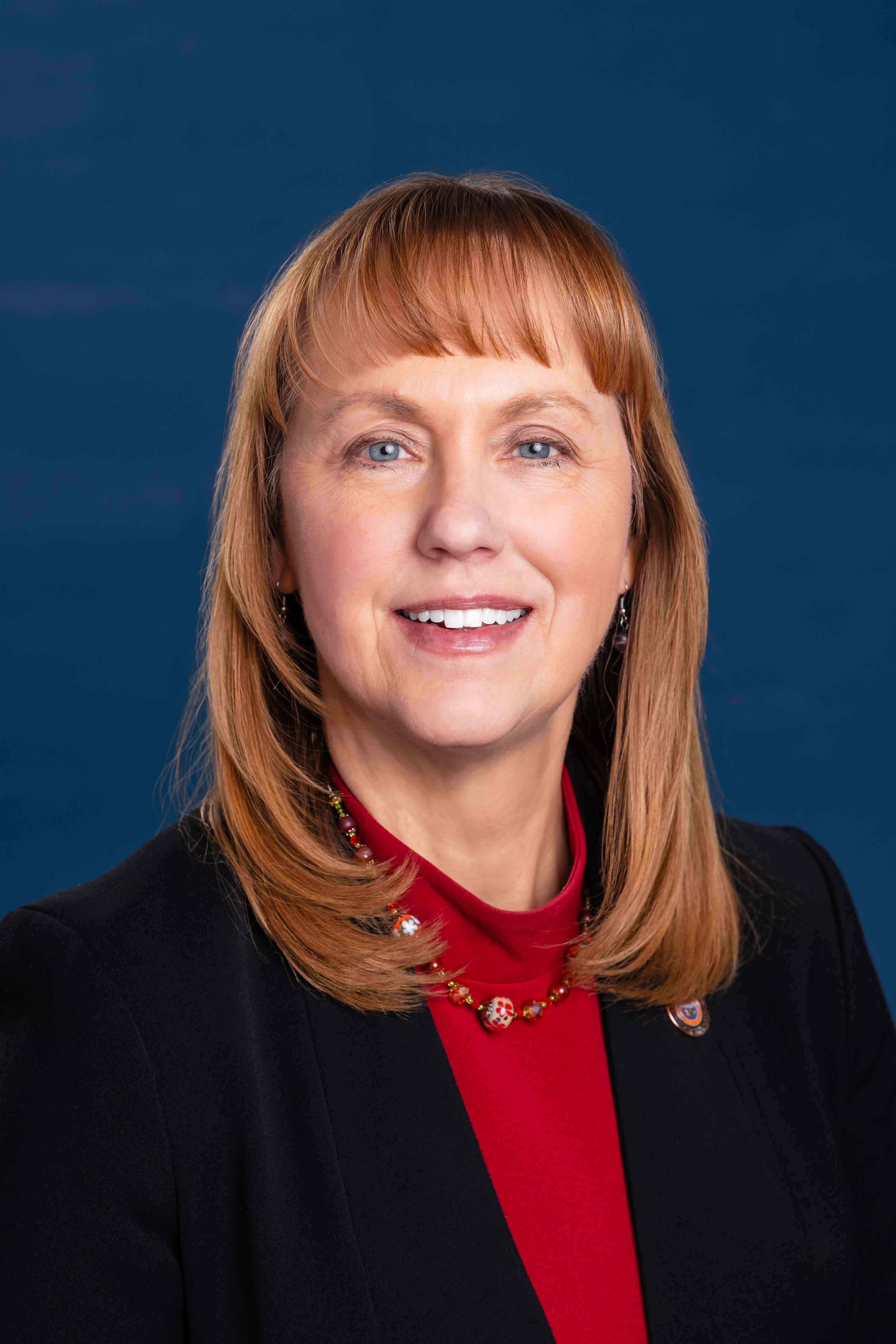
Photo of Selina Bliss
R Arizona House · District 1 On the 2026 ballot

Rep. Selina Bliss

Compare
Total votes
2,940
all sessions
Attendance
98%
65 missed
Higher than 76% of chamber peers
With party
96%
of cast votes
Near the chamber average
Bipartisan score
4%
crosses aisle rarely
Near the chamber average
Sponsored
405
bills & resolutions
Near the chamber average
Committees
4
assignments
405 bills and resolutions

Sponsored bills

Total
405
Primary
200
Co-sponsor
205
This page
405
matching current filters
Co-sponsor SB 1282
Passed · Arizona Senate · Co-sponsor
aggravated unlawful flight; law enforcement

Maddy summarySB 1282 creates a new offense called "aggravated unlawful flight" for drivers who recklessly endanger others while fleeing police. It classifies this as a class 4 felony generally, but elevates it to a class 2 felony if the driver causes serious injury, transports a minor under 15, or was already violating specific traffic laws (like driving under suspension). Convicted individuals in the class 2 felony scenario must serve at least four months in prison before becoming eligible for probation or early release. The bill directly affects drivers who flee law enforcement in a reckless manner, with stricter penalties for certain aggravating circumstances.

Passed Apr 22, 2025 1 co-sponsor
Co-sponsor HB 2733
Signed into law · Arizona House · Co-sponsor
unmanned aircraft; qualified immunity

Maddy summaryHB 2733 grants legal immunity to Arizona government agencies and employees (like law enforcement) who intercept, disable, or destroy unmanned aircraft (drones) within 30 miles of the state's international border. It protects them from liability for injuries caused during these actions unless they intentionally harmed someone or were grossly negligent. The law specifically applies to drone operators (defined as anyone controlling a drone, including owners or groups acting together) and covers contractors working for government entities. This bill directly affects border enforcement practices and drone operators operating near Arizona's international border.

Signed into law Apr 18, 2025 1 co-sponsor
Co-sponsor HB 2607
Signed into law · Arizona House · Co-sponsor
fentanyl; motor vehicle; sentencing

Maddy summaryHB 2607 increases sentencing for fentanyl offenses involving large quantities (200+ grams) in motor vehicles or for sale. It mandates a minimum 5-year prison sentence (up to 15 years) for possessing fentanyl in a vehicle or selling it in such amounts, with harsher penalties (10-20 years) for repeat offenses. The bill also requires a $2,000+ fine, prohibits probation for these offenses, and mandates 360 hours of community service with drug rehabilitation or victim services. This law directly affects individuals convicted of qualifying fentanyl-related crimes in Arizona.

Signed into law Apr 18, 2025 1 co-sponsor
Co-sponsor SB 1106
Signed into law · Arizona Senate · Co-sponsor
public entity liability; sexual offenses

Maddy summarySB 1106, titled "Ava's Law," modifies Arizona's public entity liability rules regarding sexual offenses. It clarifies that public entities (like schools or government agencies) generally cannot be held liable for sexual offenses committed by employees against minors or children with disabilities, **unless** the entity violated a duty to check employee backgrounds or failed to report known risks. The law applies only to offenses occurring on or after December 31, 2027, and does not affect liability for vehicle-related incidents or emergency care. This bill focuses on defining specific circumstances where public entities may face liability, not broader policy changes.

Signed into law Apr 18, 2025 1 co-sponsor
Co-sponsor HB 2670
Vetoed · Arizona House · Co-sponsor
health education; fetal development instruction

Maddy summaryHB 2670 requires Arizona public schools to include specific fetal development instruction in health education for students in grades 7 and 8, covering human reproduction, pregnancy, infertility, and trimester-by-trimester growth of an unborn child. School districts may also offer age-appropriate fetal development lessons in grades 1-6 or 9-12. Parents can opt their child out of this instruction, and schools must notify parents about the curriculum and withdrawal options. The bill passed the legislature in April 2025 but was vetoed by the governor on April 18, 2025, so it did not become law.

Vetoed Apr 18, 2025 1 co-sponsor
Co-sponsor SB 1308
Signed into law · Arizona Senate · Co-sponsor
sober living homes

Maddy summarySB 1308 clarifies and regulates sober living homes in Arizona. It requires municipalities to allow zoning deviations for these homes as a fair housing accommodation and prohibits reclassifying single-family homes solely due to a sober living home license application. The bill also bans financial incentives (like kickbacks) for referring clients to sober living homes or treatment facilities, classifying violations as felonies based on the amount involved. Additionally, it establishes licensing standards requiring homes to support medication-assisted treatment and implement fair drug testing policies, while defining "sober living home" as alcohol/drug-free housing that promotes recovery without on-site medical services.

Signed into law Apr 18, 2025 1 co-sponsor
Co-sponsor SB 1333
Signed into law · Arizona Senate · Co-sponsor
congregate care; dependent children; placement

Maddy summarySB 1333 creates a "foster youth permanency pilot project team" to help Arizona children in foster care achieve permanent living arrangements before aging out of the system. The team reviews each child’s case, identifies barriers to permanency (like unmet needs or lack of family connections), and develops tailored action plans with input from the child, caregivers, and legal representatives. It directly affects youth at risk of leaving foster care without a permanent home, particularly those turning 18 or entering extended foster care. The team can access agency resources, contract with specialists (like family locators or legal experts), and must protect youth privacy while working toward permanency. The bill also updates foster home licensing rules but focuses primarily on this new support mechanism.

Signed into law Apr 18, 2025 1 co-sponsor
Co-sponsor HB 2126
Vetoed · Arizona House · Co-sponsor
medical records; parental rights

Maddy summaryHB 2126 strengthens parental rights regarding minor children's medical information in Arizona. It directly affects Arizona parents of minors by guaranteeing their access to all medical records (including electronic portals), requiring consent for biometric scans and genetic testing, and ensuring notification if child safety concerns arise. Key provisions mandate healthcare entities to provide parents equal access to medical records and require government entities to prove compelling justification before interfering with parental health decisions. The bill establishes legal recourse for parents if their rights are violated, shifting the burden of proof to the government in such cases.

Vetoed Apr 15, 2025 1 co-sponsor
Co-sponsor HB 2164
Signed into law · Arizona House · Co-sponsor
public schools; ultraprocessed foods

Maddy summaryHB 2164 prohibits Arizona public schools from serving or selling ultraprocessed foods during the school day, directly affecting school meal programs and cafeteria operations. The law defines "ultraprocessed food" as any item containing specific synthetic additives like certain dyes (e.g., Yellow #5, Red #40) or preservatives (e.g., potassium bromate), excluding foods parents provide to their own children. The Arizona Department of Education may create implementing rules but is not required to mandate specific alternatives. Signed into law on April 14, 2025, this policy aims to improve school meal nutrition by limiting low-nutrient processed foods.

Signed into law Apr 14, 2025 1 co-sponsor
Primary HB 2128
Signed into law · Arizona House · Lead sponsor
environmental remediation; liability; release

Maddy summaryHB 2128 clarifies definitions and processes for environmental cleanup in Arizona, primarily affecting state environmental agencies, responsible parties, and communities near contaminated sites. It defines key terms like "release" (excluding workplace exposures and vehicle emissions) and "remedial actions" (including specific cleanup methods like biostimulation). The bill updates the Water Quality Assurance Revolving Fund to include new funding sources, such as fees from prospective remediators and recovered costs from responsible parties. These changes streamline how cleanup costs are allocated and paid, directly impacting entities managing contaminated sites and the state’s ability to fund environmental remediation.

Signed into law Apr 8, 2025 0 co-sponsors
Showing 141 to 150 of 405 bills
Previous 1 … 14 15 16 … 41 Next