

Maddy summaryThis Arizona law (HB 2114) changes how sexual acts with minors are classified and punished under state law. It creates stricter felony classifications based on the minor’s age and the offender’s circumstances: sexual conduct with a minor under 12 who suffers serious injury is now a life sentence with no parole, while acts with minors under 15 are class 2 felonies. For minors aged 15 or older, penalties range from class 6 (standard) to class 4 (if offender is over 20) or class 2 (if offender was in a position of trust, with no probation or early release allowed). The law directly affects individuals convicted of sexual acts with minors, imposing mandatory jail time in some cases and eliminating eligibility for early release in the most severe scenarios. The bill was signed into law in April 2025.
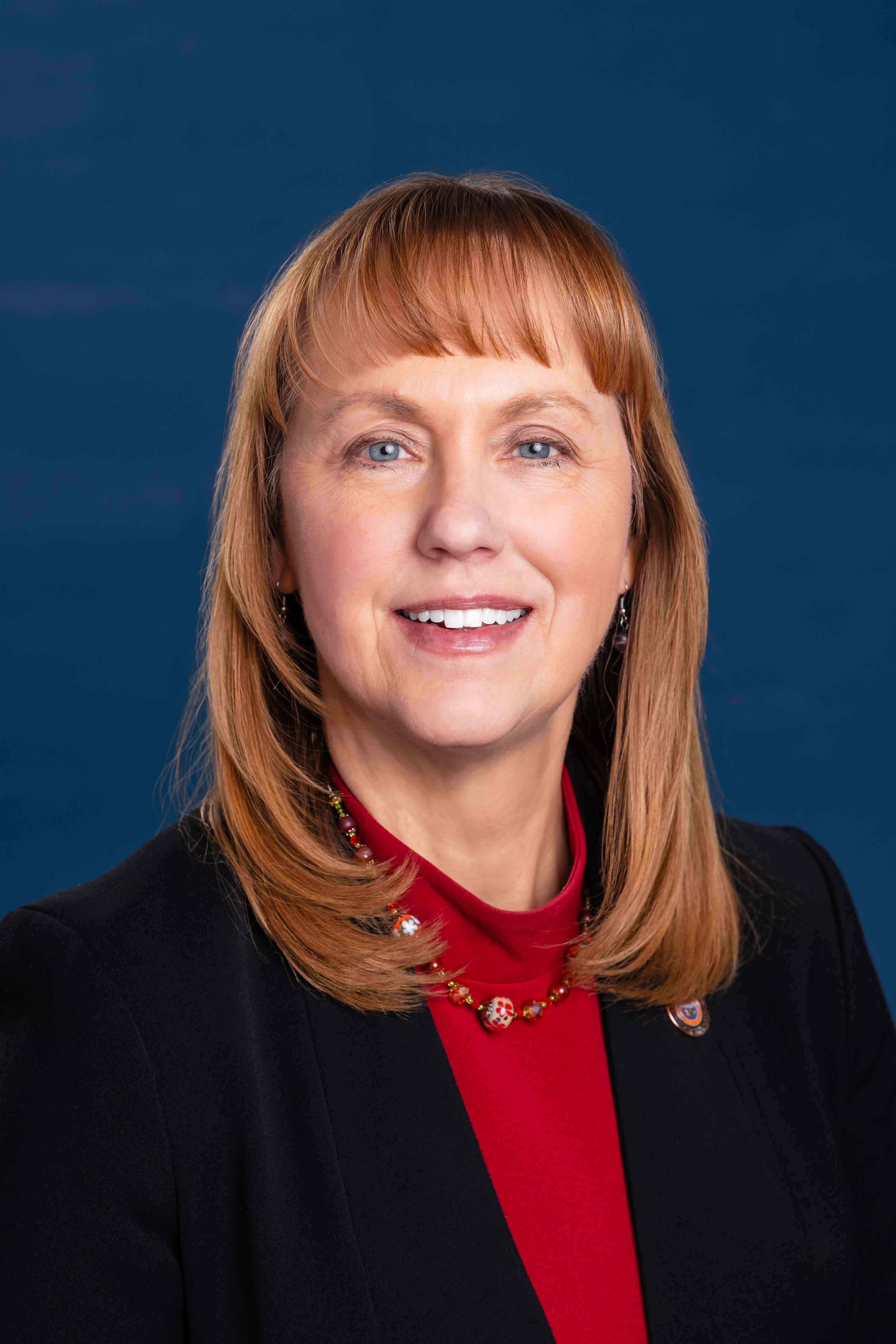
Rep. Selina Bliss
Sponsored bills
Maddy summaryHB 2145 requires all state and local government sanitarians in Arizona to register with the newly established Sanitarians Council. To qualify, applicants must have three years of relevant work experience, military service in environmental health, or 30 college credits in related sciences. Registrants must complete 10 hours of approved continuing education annually, pay $25 for initial registration and $10 for renewal, and may not use the title "registered sanitarian" without certification. The bill directly affects environmental health professionals working for Arizona government entities.
Maddy summaryHB 2127 clarifies who is legally responsible for cleanup costs when hazardous substances leak from properties or facilities in Arizona. It primarily affects property owners, businesses handling hazardous materials, and waste disposal operators by defining "responsible party" based on ownership, operation, or disposal activities at the time of release. Key provisions include exempting property owners from liability if they didn’t know about contamination when purchasing the property or weren’t involved in hazardous substance handling, and listing specific defenses like acts of nature, third-party actions, or compliance with federal permits. The bill replaces vague prior rules with specific criteria to determine liability, aiming to reduce disputes over cleanup costs.
Maddy summarySB 1437 requires school employees (including teachers, substitute teachers, and administrators) to immediately report suspected child abuse, neglect, or physical injury of minors they reasonably believe occurred. It expands mandatory reporting duties to cover school personnel who develop such reasonable beliefs during their employment, while maintaining exemptions for clergy confessions and accidental playground injuries during school hours. The law mandates immediate electronic or phone reports containing specific details (minor’s identity, nature of harm, etc.) to child safety authorities, and allows school staff to take photographs or arrange forensic interviews during investigations. It also clarifies that school administrators must report only if they believe a required reporter hasn’t already done so, and specifies that medical records must be shared confidentially with investigators upon written request.
Maddy summaryHB 2456 appropriates $6.5 million from Arizona's general fund for a fire incident management grant program, directly funding municipal fire departments and fire districts. The bill requires grant recipients to use funds for secure technology systems that standardize incident command (including clear chains of command and shared terminology), enable real-time resource tracking, and allow secure communication and collaboration during emergencies - like sharing maps or managing mass casualty incidents. Grants fully cover the cost of these systems for three years, awarded on a first-come basis, with no more than $250,000 used for program administration. The system must work offline, support federal emergency management standards, and include features like firefighter safety monitoring and smartphone apps for responders.
Maddy summaryHB 2855 declares that drug cartels operating in Arizona are terrorist organizations under state law. It defines "drug cartel" to include groups involved in human smuggling, drug trafficking, or terrorism, and requires the Arizona Department of Homeland Security to address the threat they pose. The bill explicitly states this definition does not affect individuals' claims for asylum under federal law. This legislation aims to empower state agencies to combat border-related criminal activity, based on voter-approved findings about public safety concerns linked to transnational cartels.
Maddy summaryHB 2184 appropriates $2 million from Arizona's state general fund to the Arizona Health Innovation Trust Fund for fiscal year 2025-2026, plus an additional $500,000 to fund a pilot program under existing law (ARS 41-177). The bill establishes the trust fund to grow toward a $200 million permanent endowment using state appropriations, fund earnings, and donations. It directly affects the fund's operations and the entity managing the health innovation pilot program, without specifying particular health initiatives or beneficiaries. The legislation focuses on structuring funding mechanisms rather than mandating specific policy outcomes.
Maddy summaryHB 2134 amends Arizona's definition section for physician assistants (PAs), clarifying key terms that affect their practice. It specifically defines "minor surgery" to exclude surgical abortions and establishes that PAs with at least 8,000 hours of clinical practice can work without a formal supervision agreement under a collaborating physician. The bill also defines terms like "adequate records," "advisory letters," and "unprofessional conduct" to guide licensing and disciplinary actions. These definitions directly affect licensed PAs, collaborating physicians, and the Arizona Regulatory Board of Physician Assistants by setting clearer standards for scope of practice and accountability.
Maddy summaryHB 2027 establishes a regulatory framework for behavior analysts in Arizona by creating the State Board of Behavior Analysts and defining licensing requirements. The bill directly affects behavior analysts (who must now obtain a license to practice) and their clients by setting clear standards for services, including defining "behavior analysis services" as distinct from psychotherapy or cognitive therapies. Key provisions include requiring licensure, prohibiting unlicensed practice, defining unprofessional conduct (such as sexual misconduct with clients), and mandating "adequate records" for services. The law also creates disciplinary mechanisms like "letters of concern" for minor issues and formal actions for serious violations. This bill shifts oversight of behavior analysts from previous statutes to a dedicated regulatory board under Arizona Revised Statutes Chapter 4.
Maddy summaryHB 2025 clarifies and expands the scope of practice for medical assistants in Arizona. It allows medical assistants under direct supervision to perform specific tasks like taking blood samples, administering injections, and placing catheters (with proper training), while explicitly permitting non-supervisory duties such as billing, scheduling, recording vital signs, and communicating medical advice. The bill requires training programs - designed by physicians and verified for competency - to ensure medical assistants meet entry-level standards. Using the title "medical assistant" without training verification or direct supervision is now a class 3 misdemeanor. This law directly affects medical assistants, healthcare facilities, and patients by standardizing roles and safety protocols.