Issue · Criminal Justice

Criminal Justice

Every criminal justice bill, vote, and legislator stance in Arizona, automatically classified by Maddy, our AI policy reader.

Total bills
212
57th Legislature - Second Regular Session
Top supporter
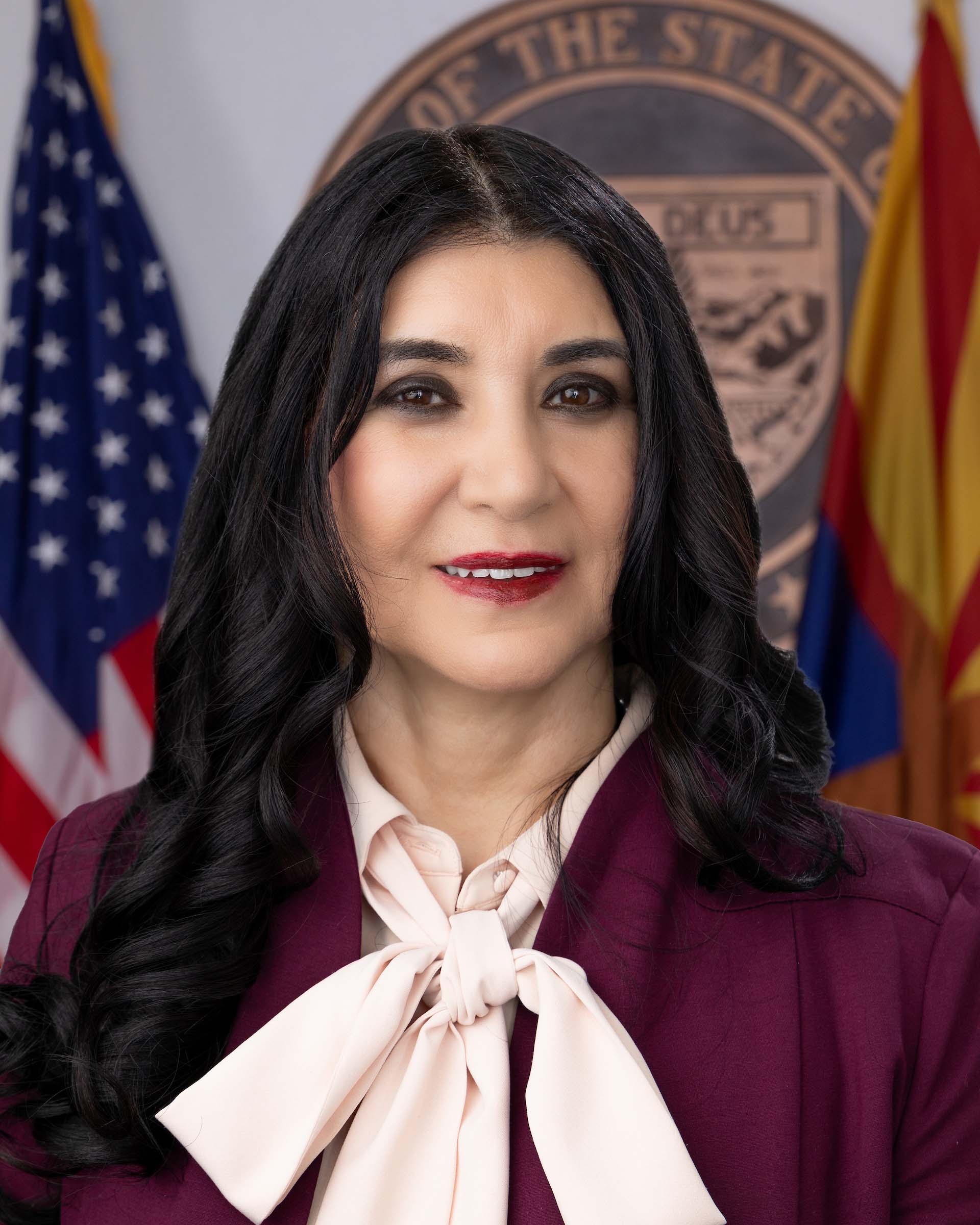
Stephanie Simacek
74% support rate
Top opponent
Lupe Diaz
40% support rate
Ranked legislators
10
5 support · 5 oppose
Key legislators

Who's moving criminal justice in Arizona

Legislators moving criminal justice in Arizona
Legislator Party Stance Support rate Votes
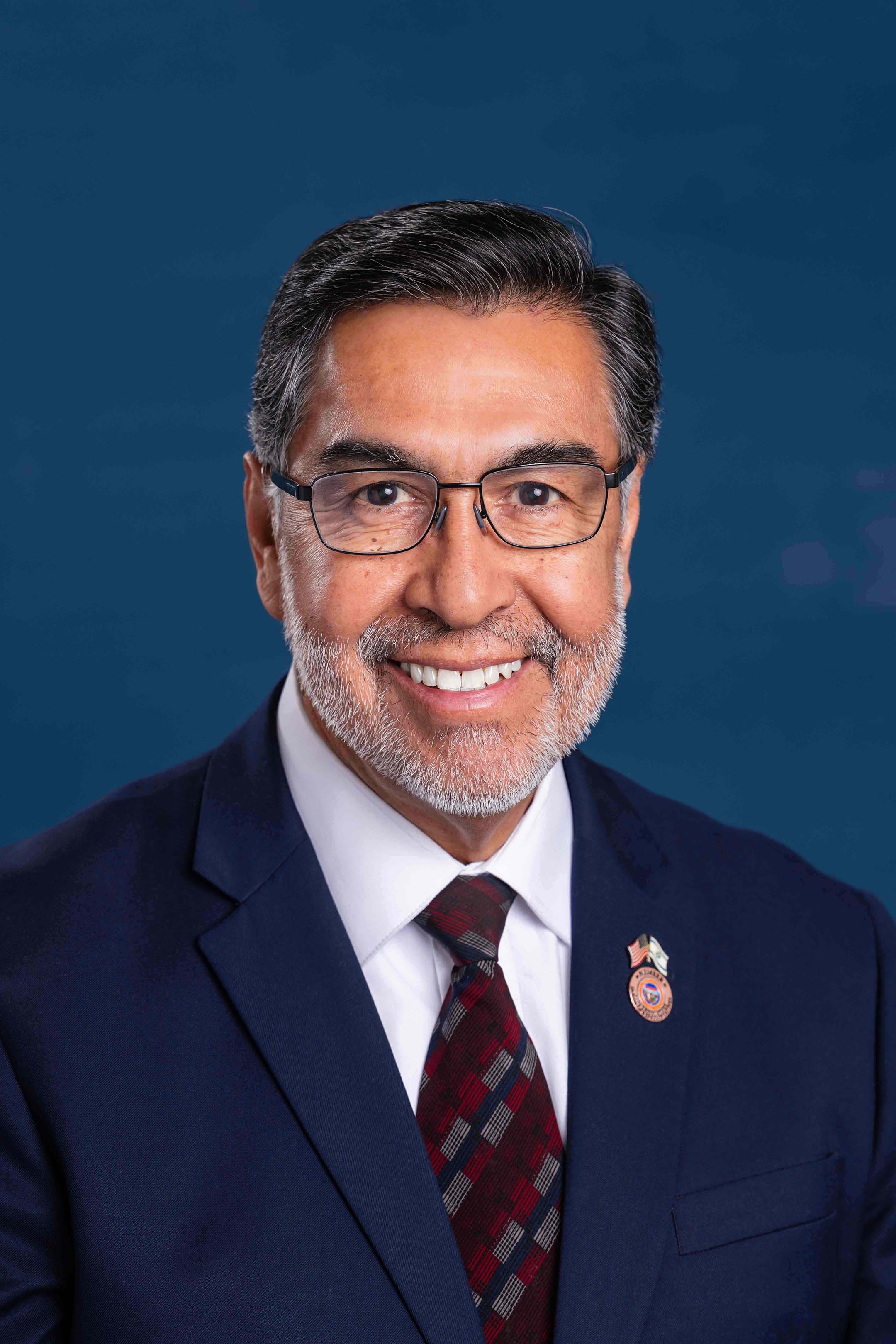
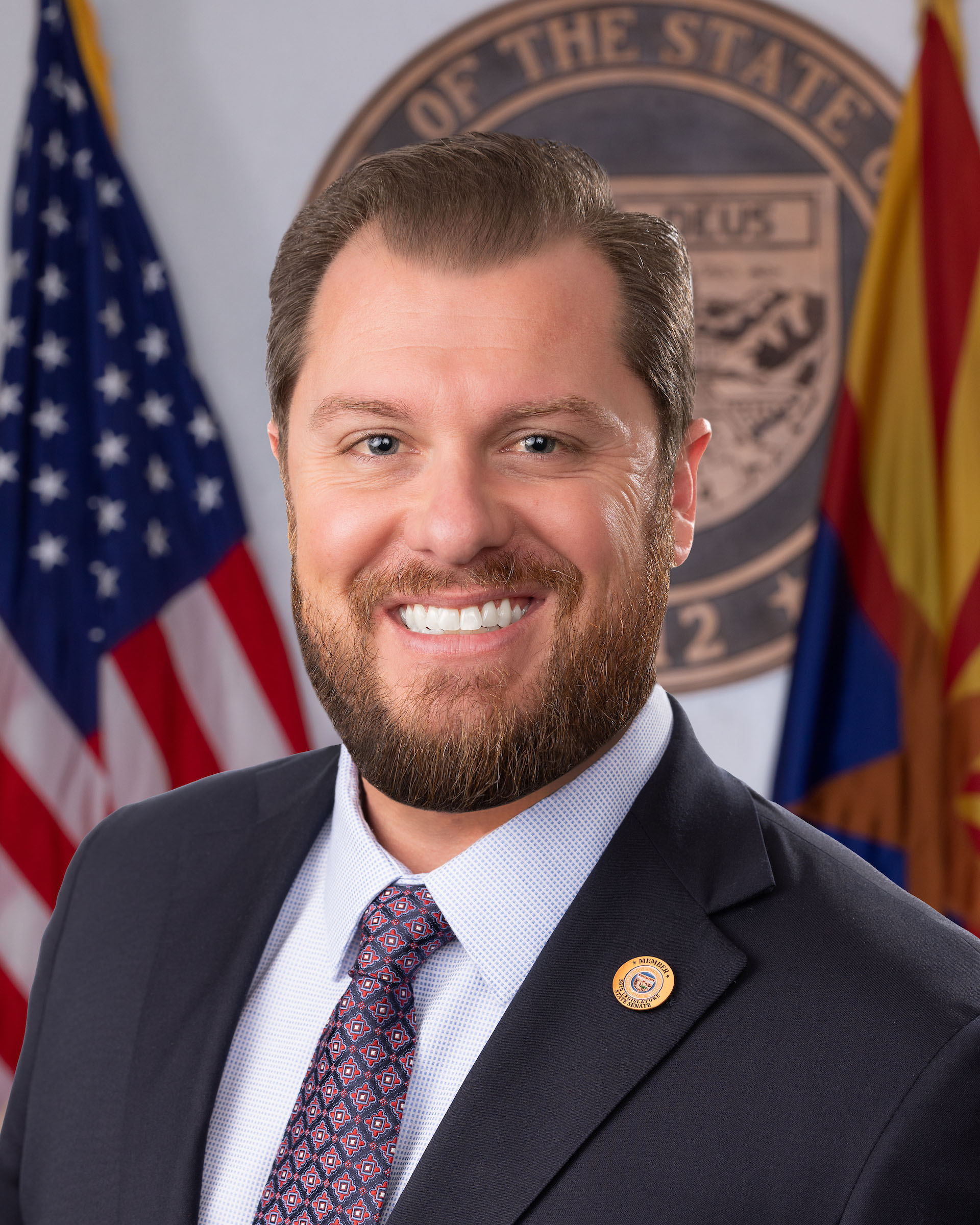
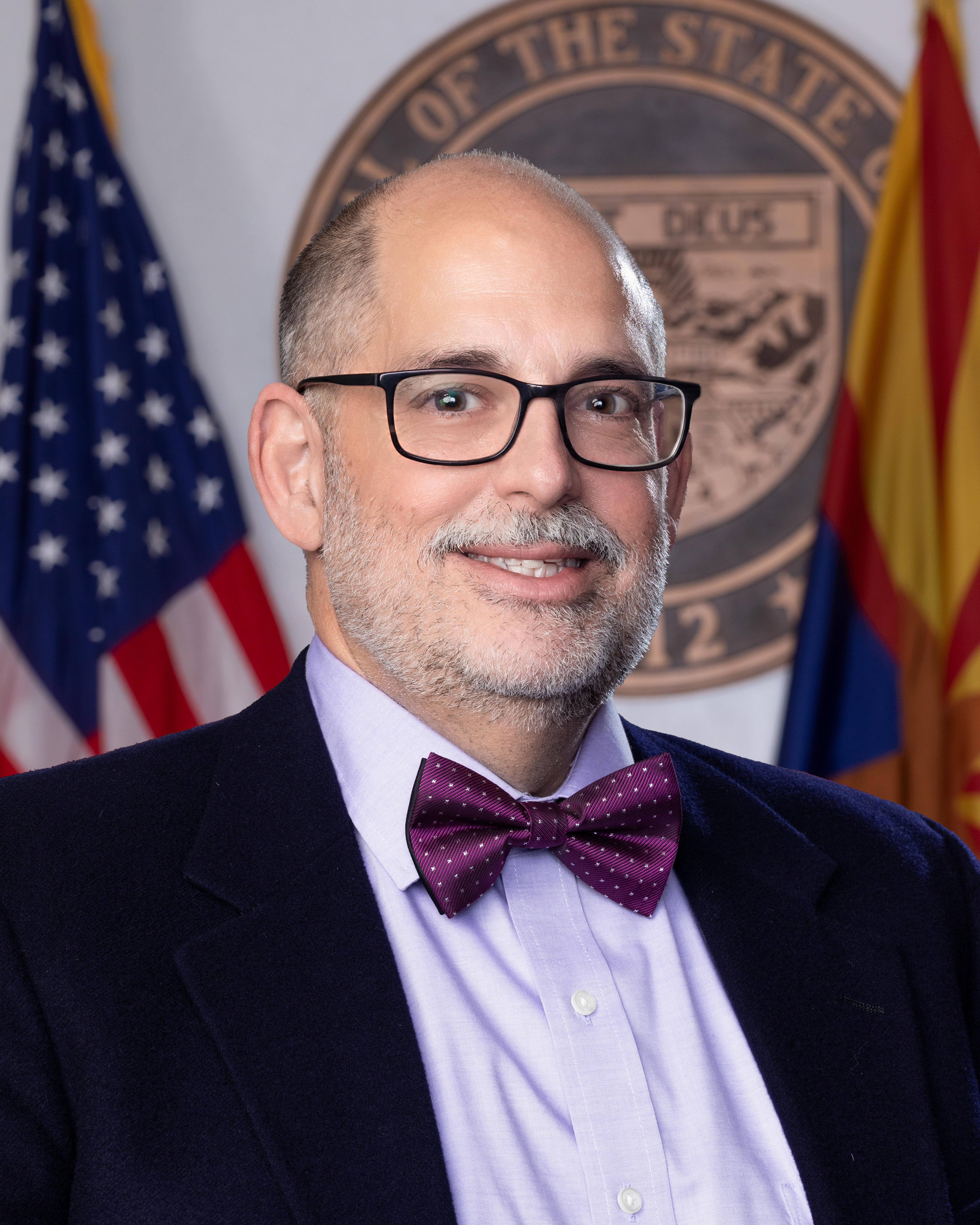
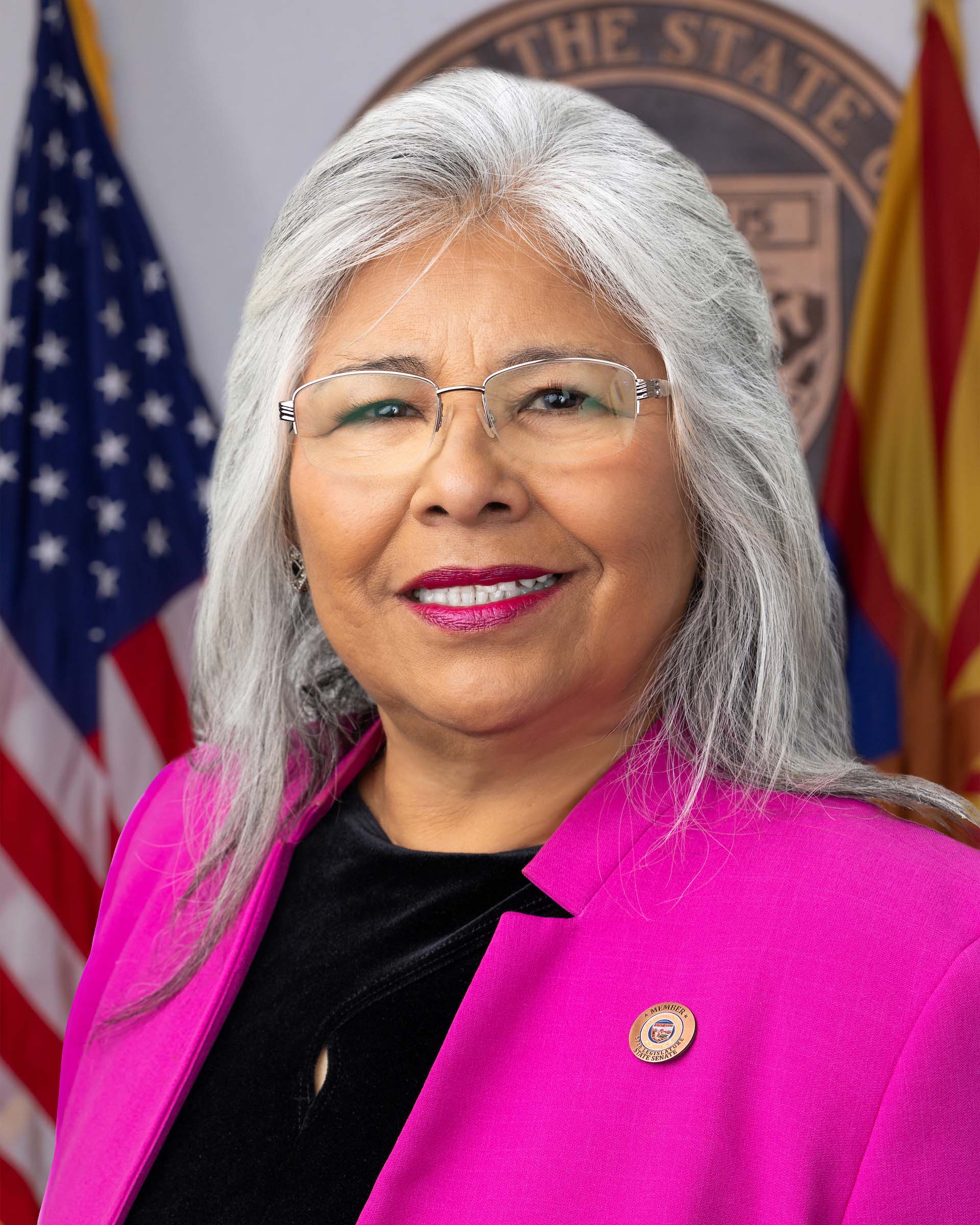
Stephanie Simacek
Stephanie Simacek House · District 2
D
Support
74% 166
Lydia Hernandez
Lydia Hernandez House · District 24
D
Support
73% 178
Seth Blattman
Seth Blattman House · District 9
D
Support
71% 47
Nancy Gutierrez
Nancy Gutierrez House · District 18
D
Support
71% 126
Patty Contreras
Patty Contreras House · District 12
D
Support
71% 182
Lupe Diaz
Lupe Diaz House · District 19
R
Oppose
40% 191
Jake Hoffman
Jake Hoffman Senate · District 15
R
Mixed −
41% 199
David Livingston
David Livingston House · District 28
R
Mixed −
42% 170
Sally Gonzales
Sally Gonzales Senate · District 20
D
Mixed −
43% 203
Eva Diaz
Eva Diaz Senate · District 22
D
Mixed −
43% 146
Showing 81–90 of 212 bills

All criminal justice bills

failed · Arizona · Senate Jun 12, 2026

SB 1170: narcotic drugs; sales; minor; sentencing

SB 1170 amends Arizona's drug sentencing laws to impose mandatory minimum prison terms for specific fentanyl offenses. It sets a 5- to 15-year minimum sentence for selling or possessing at least 200 grams of fentanyl (or 200 grams in a vehicle), increasing to 10- to 20 years for repeat offenders. The bill also creates a separate mandatory sentence for anyone convicted of selling fentanyl that causes a minor's death. These provisions directly affect individuals convicted of large-scale fentanyl sales or possession, removing probation eligibility and requiring minimum prison terms for these offenses.
passed · Arizona · Senate Mar 25, 2026

SB 1584: appropriation; DOC; recruitment; retention

SB 1584 allocates $1,000,000 from Arizona's general fund for the state Department of Corrections (DOC) during fiscal year 2026-2027 specifically for recruitment and training programs. This funding directly supports the DOC in hiring and training correctional staff. The bill is procedural, focusing solely on budget allocation without altering policies or creating new requirements. It has advanced to the Senate for further consideration.
signed · Arizona · Senate Apr 9, 2026

SB 1092: dangerous crimes against children; probation

SB 1092 prevents judges from shortening probation terms early for individuals convicted of "dangerous crimes against children" (as defined in Arizona law). The bill amends probation statutes to explicitly prohibit courts from terminating probation earlier than originally imposed for these specific offenses. This change directly affects defendants convicted under §13-705, courts handling their cases, and probation officers overseeing supervision. The policy ensures minimum probation periods for serious child-related crimes, maintaining consistent supervision without judicial discretion to reduce terms. It does not alter other probation requirements or fees.
Sub-Topics Probation & Parole
vetoed · Arizona · Senate Jun 19, 2026

SB 1476: child neglect; prenatal substance exposure

SB 1476 modifies Arizona law to address child neglect cases involving prenatal substance exposure. It creates an affirmative defense for mothers who completed alcohol or drug treatment during pregnancy, preventing them from being charged with child neglect for that specific conduct. The bill specifies that child neglect related to untreated prenatal substance use remains a class 6 felony, but the defense applies if treatment was completed. This directly affects mothers facing neglect charges due to substance use during pregnancy who have accessed treatment services. The policy change shifts legal consequences for a defined subset of cases without altering general neglect definitions.
introduced · Arizona · House Jan 28, 2026

HB 2345: unlawful presence; commercial vehicle; forfeiture

This Arizona bill makes it a class 5 felony to possess a fake commercial driver's license if your presence in the U.S. isn't authorized under federal law. If someone violates this while operating a commercial vehicle, police can seize and sell the vehicle. Employers who knowingly hire such individuals must pay a civil penalty equal to the vehicle's fair market value. All money from fines and vehicle sales goes to Arizona's highway user revenue fund.
signed · Arizona · House Jun 4, 2026

HB 2557: candidate petitions; felony disclosure

HB 2557 amends Arizona law to allow individuals convicted of certain offenses to petition courts to seal their criminal records after meeting specific requirements. It directly affects people with felony or misdemeanor convictions who have completed sentences, paid all fines/restitution, and waited set periods (e.g., 10 years for serious felonies, 5 years for less serious ones). Key mechanisms include mandatory victim notification, court review for public safety, and restrictions on how sealed records may be used (e.g., still admissible in future criminal cases). The bill does not change eligibility for voting or candidacy, despite its misleading title, and focuses solely on record sealing procedures.
Sub-Topics Courts Victims' Rights
signed · Arizona · Senate Mar 27, 2026

SB 1211: aggravated harassment; lifetime injunctions

SB 1211 requires Arizona courts to issue lifetime injunctions prohibiting contact between defendants convicted of specific serious felonies and their victims. It applies to offenses including violent felonies, certain domestic violence cases (per A.R.S. §13-2921.01), and other felony categories listed in the bill. The injunctions take effect immediately at sentencing, must be registered with crime databases, and remain valid for the defendant's lifetime unless the victim dies, the conviction is overturned, or the victim requests early termination. Victims can also petition for an injunction after sentencing without court fees. This law directly affects victims of qualifying violent or domestic violence felonies and their convicted offenders.
introduced · Arizona · House Jan 28, 2026

HB 2922: obstructing criminal investigations; homeowner exemption

HB 2922 amends Arizona law to exempt homeowners from obstruction charges when refusing police entry to their residential property. Specifically, it removes the criminal penalty for a residential property owner who declines to open a door to a peace officer seeking entry. The bill does not affect commercial properties or alter police authority to obtain warrants for searches. This change directly impacts homeowners who may refuse entry during routine police inquiries without facing felony charges under the obstruction statute.
introduced · Arizona · House Jan 20, 2026

HB 2412: threatening; intimidating; harassment; public officials

This bill strengthens penalties for threatening or harassing public officials in Arizona. It classifies threatening or intimidating a public official (or their family) as a felony, increasing penalties from misdemeanors to Class 3 or Class 6 felonies depending on the circumstances, such as retaliation for reporting crime. It also specifies that harassment targeting public officials - like filing false liens or making repeated false reports - becomes a Class 5 felony, while standard harassment remains a misdemeanor. The law directly affects public officials, employees, and their families by imposing stricter consequences for targeted threats or harassment against them.
passed · Arizona · Senate Mar 23, 2026

SB 1239: sex offenders; statute of limitations

SB 1239 removes the statute of limitations for specific serious sex offenses and related crimes in Arizona, meaning prosecutors can file charges at any time, regardless of how long ago the offense occurred. This directly affects individuals accused of violent sexual assaults under Section 13-1423 or violations of Sections 13-2308.01, 13-2308.03, 13-3212, or 13-3824. The bill amends Arizona Revised Statutes Section 13-107 to place these offenses in a category with no time limit for prosecution, while maintaining standard time limits (7 years for class 2-6 felonies, 1 year for misdemeanors) for other crimes. The change does not alter existing penalties but expands the window for prosecution of these specific offenses.
Showing 81 to 90 of 212 bills
Previous 1 8 9 10 22 Next