Issue · Criminal Justice

Criminal Justice

Every criminal justice bill, vote, and legislator stance in Arizona, automatically classified by Maddy, our AI policy reader.

Total bills
212
57th Legislature - Second Regular Session
Top supporter
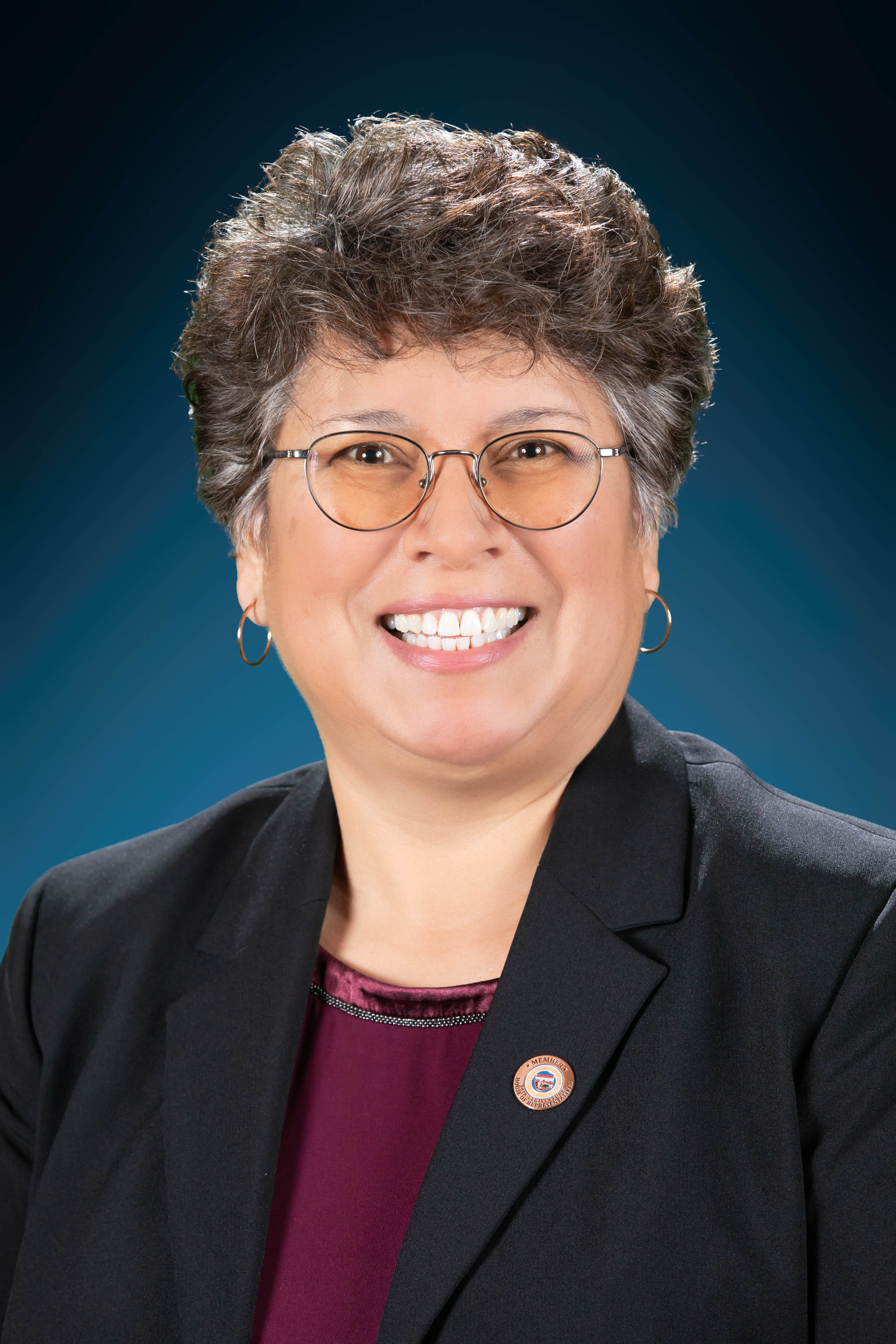
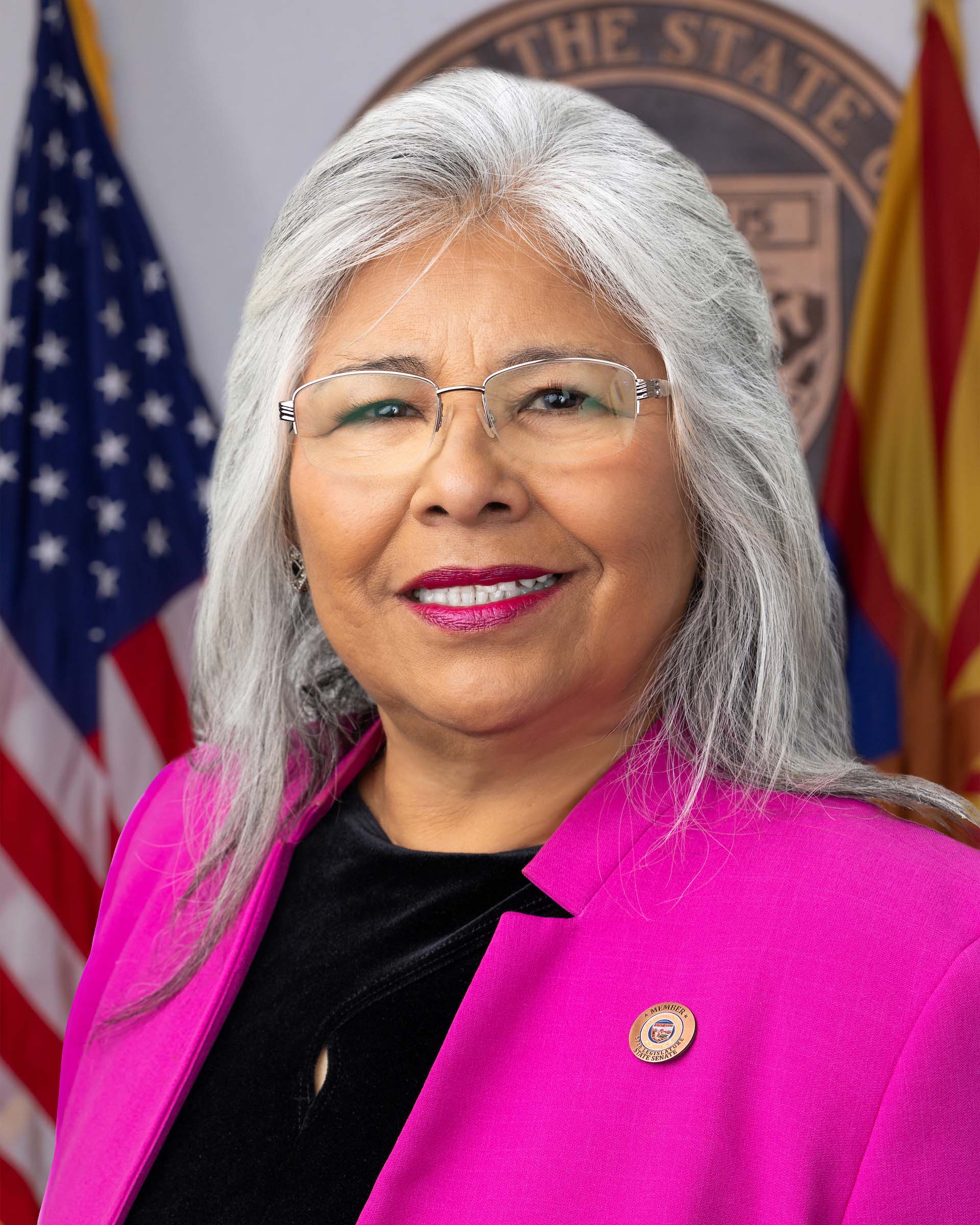
Stephanie Simacek
74% support rate
Top opponent
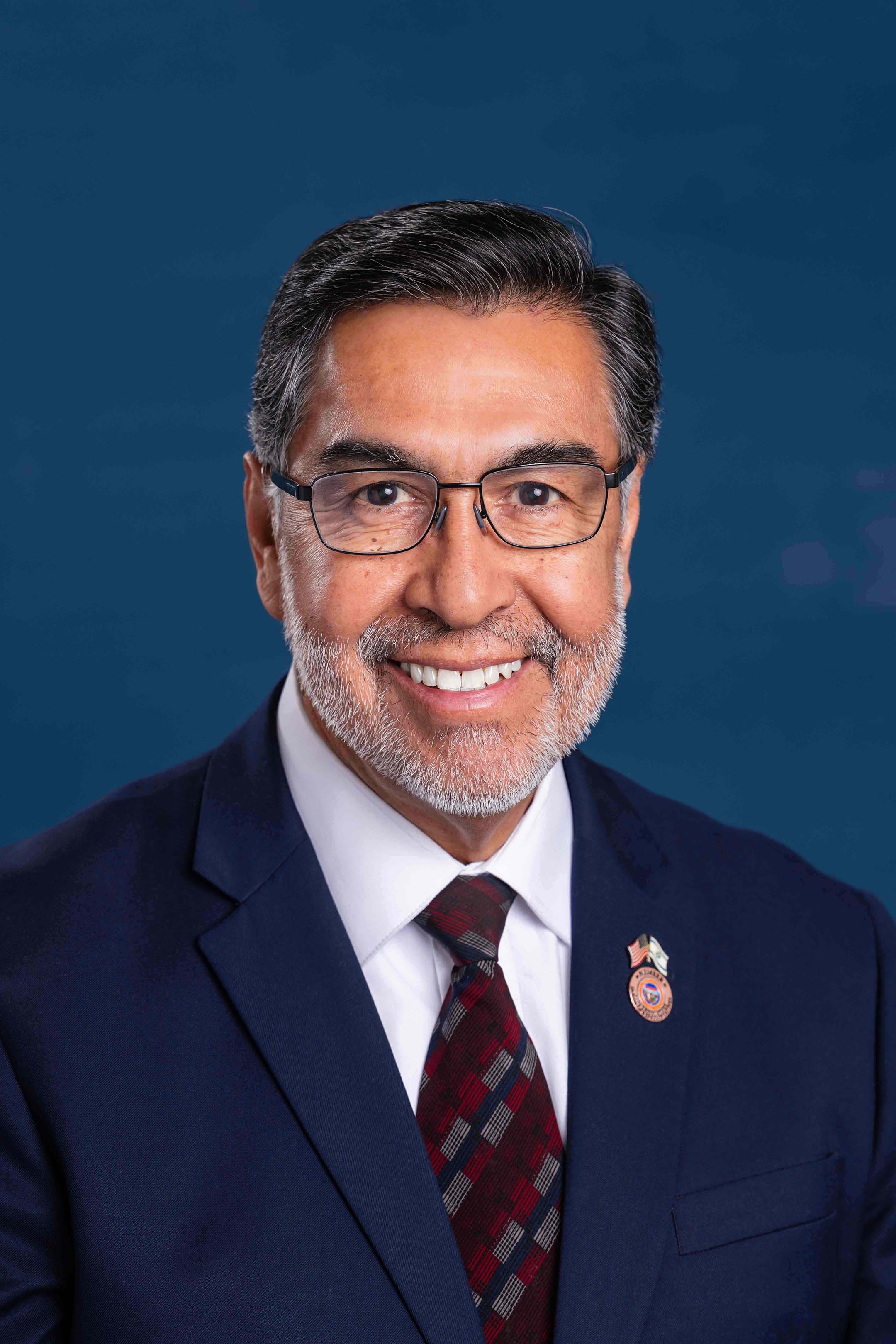
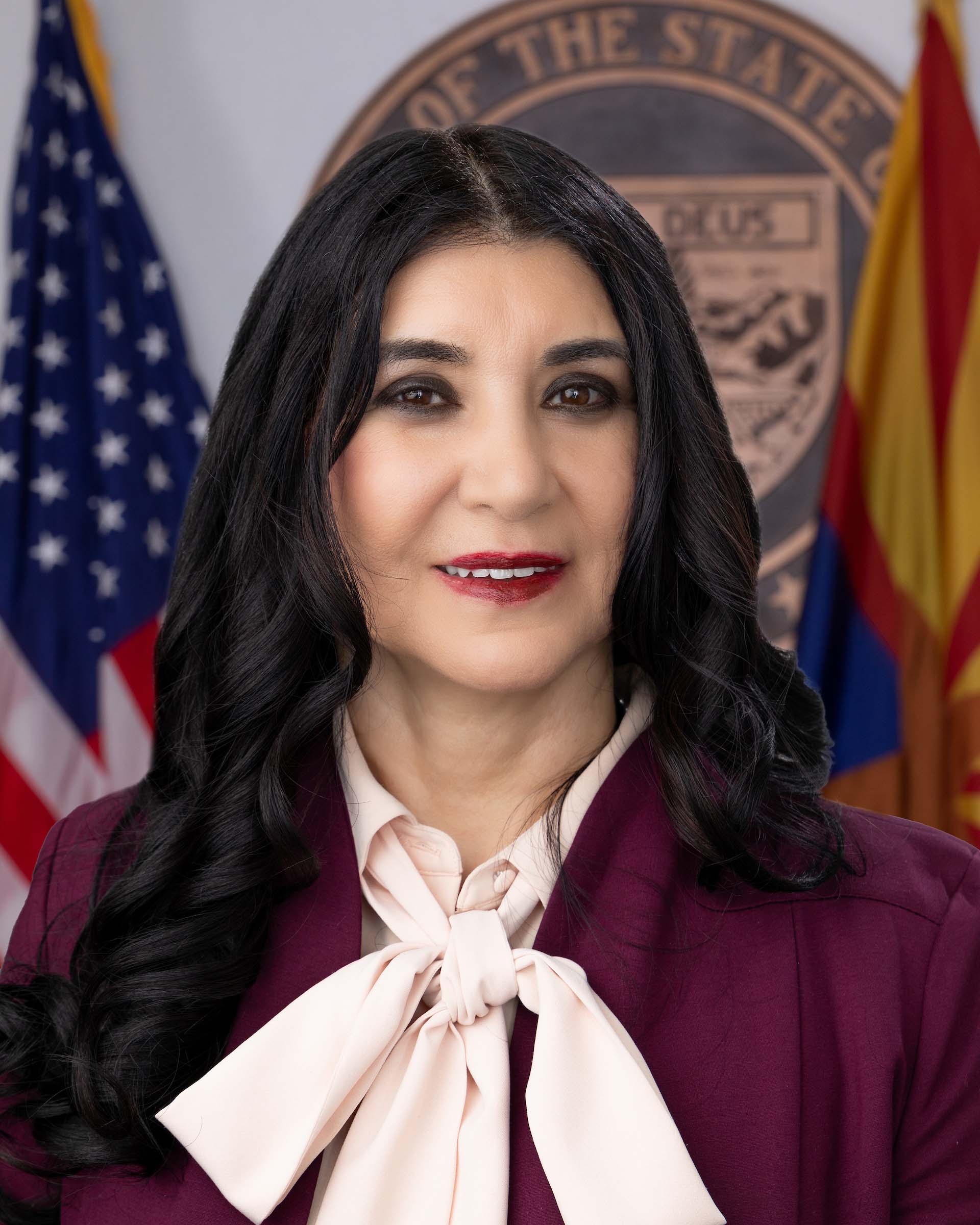
Lupe Diaz
40% support rate
Ranked legislators
10
5 support · 5 oppose
Key legislators

Who's moving criminal justice in Arizona

Legislators moving criminal justice in Arizona
Legislator Party Stance Support rate Votes
Stephanie Simacek
Stephanie Simacek House · District 2
D
Support
74% 166
Lydia Hernandez
Lydia Hernandez House · District 24
D
Support
73% 178
Seth Blattman
Seth Blattman House · District 9
D
Support
71% 47
Nancy Gutierrez
Nancy Gutierrez House · District 18
D
Support
71% 126
Patty Contreras
Patty Contreras House · District 12
D
Support
71% 182
Lupe Diaz
Lupe Diaz House · District 19
R
Oppose
40% 191
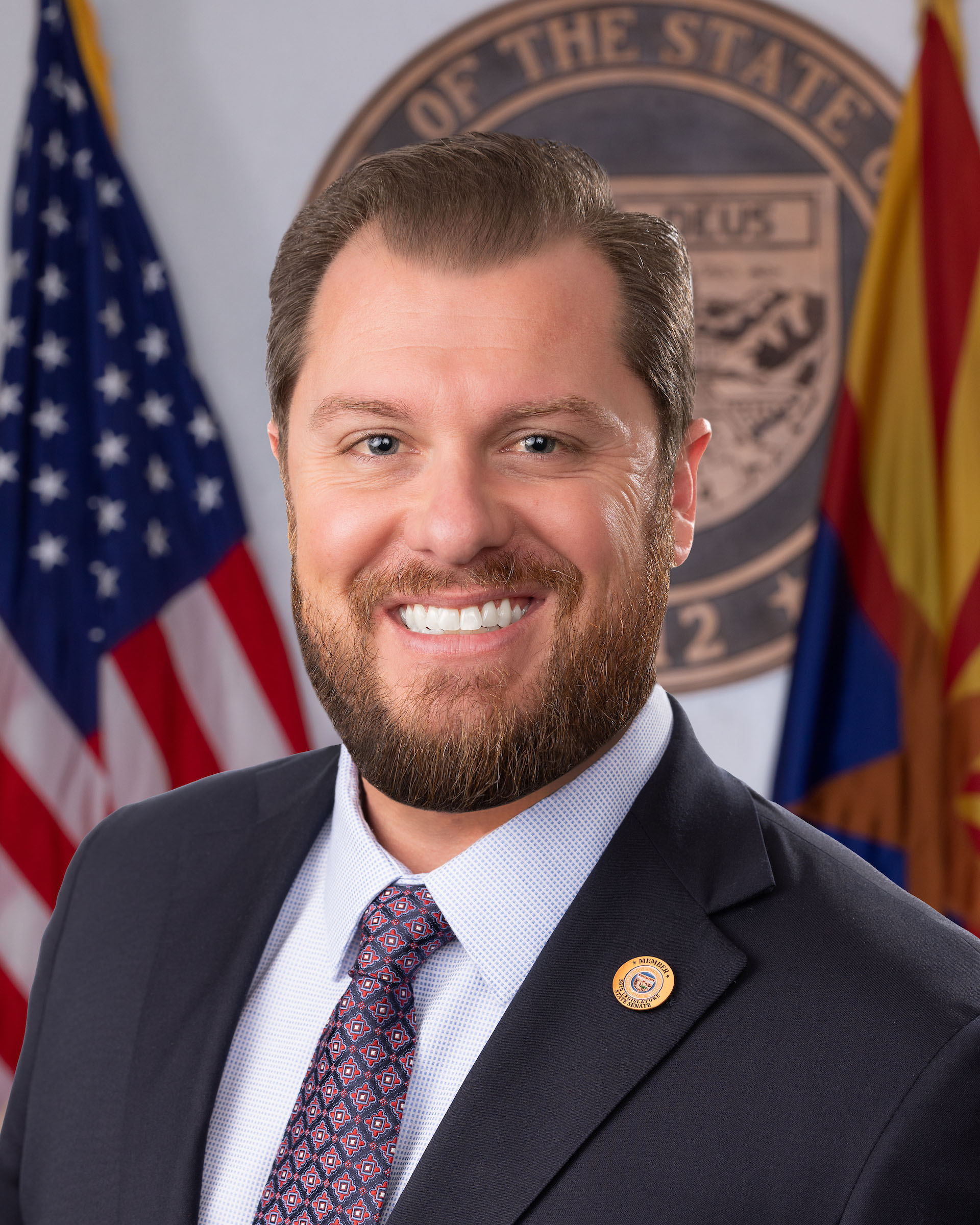
Jake Hoffman
Jake Hoffman Senate · District 15
R
Mixed −
41% 199
David Livingston
David Livingston House · District 28
R
Mixed −
42% 170
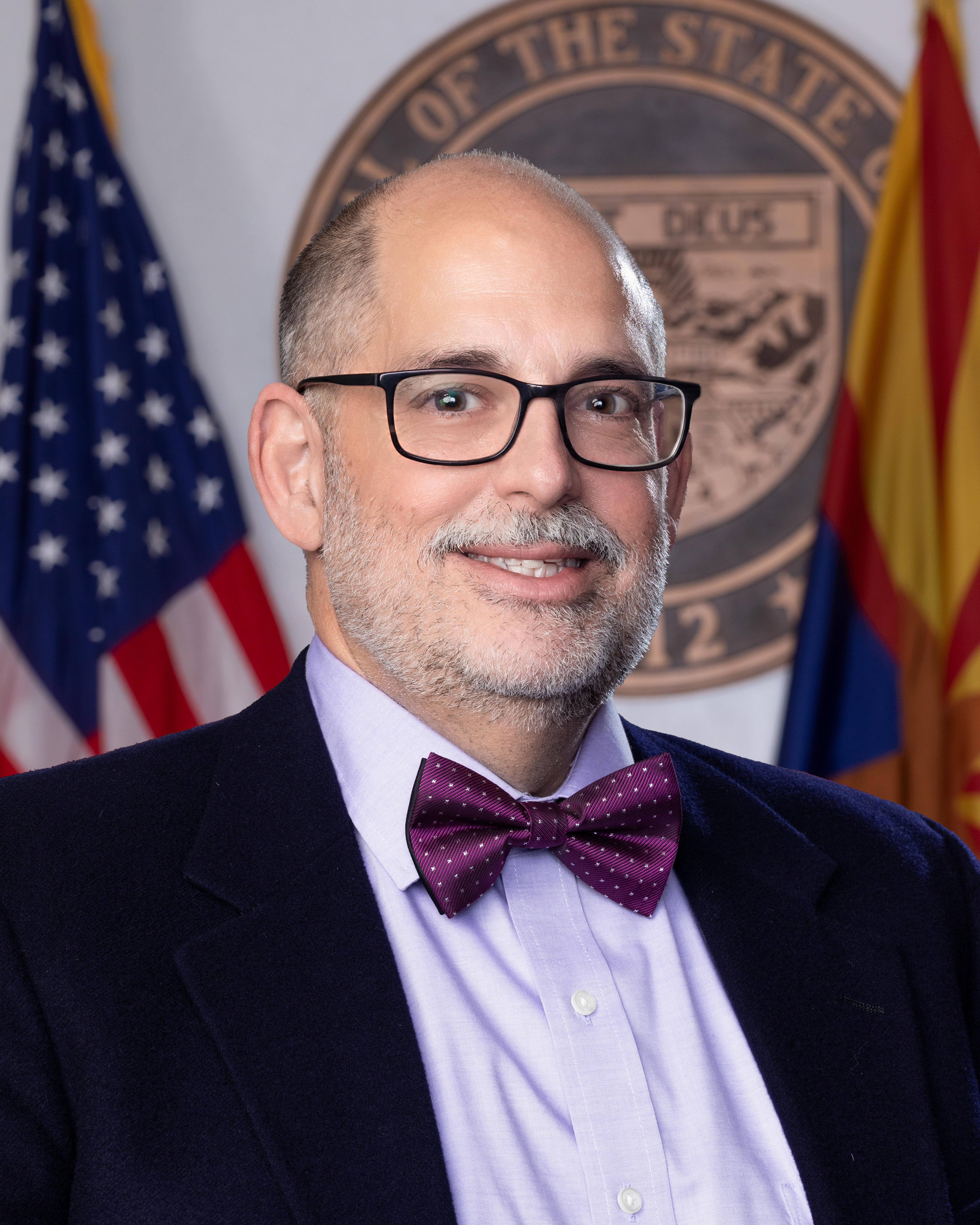
Sally Gonzales
Sally Gonzales Senate · District 20
D
Mixed −
43% 203
Eva Diaz
Eva Diaz Senate · District 22
D
Mixed −
43% 146
Showing 141–150 of 212 bills

All criminal justice bills

signed · Arizona · House Apr 13, 2026

HB 2666: sexual extortion; classification

HB 2666 reclassifies threatening to share explicit images or force sexual acts as a felony. It increases penalties based on the victim’s age: a class 3 felony for adults, class 2 for teens aged 15-17 (requiring consecutive sentences with no probation), and class 2 for children under 15. Offenders cannot receive probation, early release, or sentence suspension for these crimes. The bill defines "sexual extortion" as threatening to damage property, harm reputation, or distribute explicit images of the victim.
introduced · Arizona · House Jan 22, 2026

HB 2770: home confinement; eligibility; electronic monitoring

HB 2770 establishes a home confinement program for eligible Arizona inmates, allowing them to serve sentences at home under electronic monitoring instead of in prison. It applies to inmates who have served at least one year of their sentence, committed specific non-violent felonies (like certain class 4-6 offenses), and meet other criteria like no violent history or active warrants. Key provisions require electronic monitoring, victim notification and feedback before approval, a monthly supervision fee (with ability to waive based on inability to pay), and a 1:50 officer-to-participant ratio. The program phases in starting December 2026 based on remaining sentence time, directly affecting qualifying inmates, victims, and corrections staff managing the program.
introduced · Arizona · House Jan 20, 2026

HB 2235: juvenile detention centers; education programs

HB 2235 requires Arizona counties operating juvenile detention centers to provide education programs for all school-age youth in custody, coordinated with school superintendents and juvenile courts. It also mandates similar education programs for youth under 21 without high school diplomas in county jails. Funding for these programs includes a fixed annual base amount (adjusted for inflation) plus a variable amount based on the number of instructional days provided, with additional support for students with disabilities. The bill ensures programs align with public school standards and facilitate reintegration into regular school districts upon release.
passed · Arizona · House Mar 25, 2026

HB 2825: fines; fees; assessments; restitution; nonpayment

HB 2825 amends Arizona law to change how courts handle cases where defendants fail to pay court-ordered fines, fees, restitution, or incarceration costs. It requires courts to hold hearings to determine if nonpayment is willful (intentional refusal to pay) before imposing penalties like jail time, explicitly prohibiting incarceration solely due to inability to pay. The bill mandates clear written notices in plain language for defendants about their hearing rights and financial hardship evidence, and allows courts to enter a civil default judgment if defendants skip hearings without valid reason. This directly affects individuals owing court-ordered payments, prosecutors, victims seeking restitution, and courts managing these cases.
failed · Arizona · House Mar 2, 2026

HB 2413: sex offenders; electronic monitoring

HB 2413 amends Arizona's sex offender registration law (ARS § 13-3821) to expand registration requirements for individuals convicted of specific sex offenses against minors. It directly affects people convicted of 22 listed offenses - including child sexual abuse, trafficking, and certain repeated indecency violations - who must register with local sheriffs within 10 days of conviction or 72 hours after entering Arizona. Key provisions require registrants to provide detailed personal information (including online identifiers, vehicle details, and child custody status), and extend registration obligations to those employed or enrolled in school in Arizona for more than 14 consecutive days. The bill does not address electronic monitoring; its focus is solely on broadening registration rules and data collection for sex offenders.
passed · Arizona · House Mar 26, 2026

HB 2862: unlawful masking; violation

HB 2862 makes it a misdemeanor to wear a mask to conceal one's identity at public assemblies (gatherings of 10+ people in public or permitted spaces). It specifically prohibits this behavior, with exceptions for holiday costumes, religious attire, medical devices, occupational safety gear, athletic equipment, and law enforcement use. The law classifies a first offense as a class 3 misdemeanor and repeat violations as a class 1 misdemeanor. It directly affects individuals attending public gatherings who wear face-covering masks without qualifying for an exemption.
Sub-Topics Law Enforcement
introduced · Arizona · House Jan 20, 2026

HB 2319: sealing arrest records; misdemeanor designation

HB 2319 amends Arizona statutes to clarify that lifetime injunctions protecting victims from offenders remain valid even if the offender's criminal records are later sealed or reclassified as misdemeanors. Specifically, it ensures that injunctions issued under Section 13-719 (which prohibit contact after certain felony convictions) do not expire due to record sealing under Section 13-911, and that misdemeanor designations or expungements do not invalidate these injunctions. The bill directly affects victims who can maintain these protections and individuals seeking to seal their records, as it prevents record sealing from overriding existing court-ordered injunctions. Key provisions require courts to maintain injunctions for life unless the victim dies, the conviction is overturned, or the victim requests termination.
Sub-Topics Courts
signed · Arizona · House Jun 22, 2026

HB 2960: veterans' court fund; grant program

HB 2960 establishes a grant program to fund specialized veterans' courts in Arizona counties and municipalities. It creates a "veterans' treatment court fund" using state appropriations, providing money to local governments to set up courts that address veterans' justice-involved behavior through individualized treatment plans for issues like PTSD, substance abuse, and traumatic brain injury. The program requires grantees to report annually on participant demographics, recidivism, treatment use, and program outcomes, with the Attorney General compiling statewide data and recommendations for improvement. This directly affects veterans involved in the criminal justice system by connecting them to targeted support services rather than standard court processing.
introduced · Arizona · House Jan 27, 2026

HB 2864: misconduct involving weapons; instigation

HB 2864 amends Arizona law to define "misconduct involving weapons," adding 17 specific prohibited actions. Key provisions include banning concealed carry of deadly weapons near schools, polling places, or in vehicles during serious crimes, and prohibiting instigating others to commit such offenses (newly added in subsection A.17). The law directly affects individuals carrying weapons in restricted locations or circumstances, such as failing to disclose weapons to police or supplying firearms to those likely to commit felonies. Exceptions cover law enforcement, military personnel, licensed museums, and specific educational activities, but the bill focuses on expanding prohibited conduct rather than altering penalties.
signed · Arizona · House Jun 4, 2026

HB 2573: DUI; alternative treatment

HB 2573 modifies Arizona's DUI sentencing to offer an alternative treatment option for certain offenders. It allows judges to suspend all but one day of jail time for DUI convictions involving alcohol if the defendant successfully completes a court-ordered alcohol or drug screening, education, or treatment program. The bill also maintains existing penalties, including a $250 minimum fine, two $500 assessments (funding prison construction and public safety equipment), and mandatory ignition interlock devices for alcohol-related DUIs. This primarily affects individuals convicted of DUI under Arizona law, providing a pathway to reduce jail time through treatment participation.
Showing 141 to 150 of 212 bills
Previous 1 14 15 16 22 Next