Issue · Criminal Justice

Criminal Justice

Every criminal justice bill, vote, and legislator stance in Arizona, automatically classified by Maddy, our AI policy reader.

Total bills
212
57th Legislature - Second Regular Session
Top supporter
Stephanie Simacek
74% support rate
Top opponent
Lupe Diaz
40% support rate
Ranked legislators
10
5 support · 5 oppose
Key legislators

Who's moving criminal justice in Arizona

Legislators moving criminal justice in Arizona
Legislator Party Stance Support rate Votes
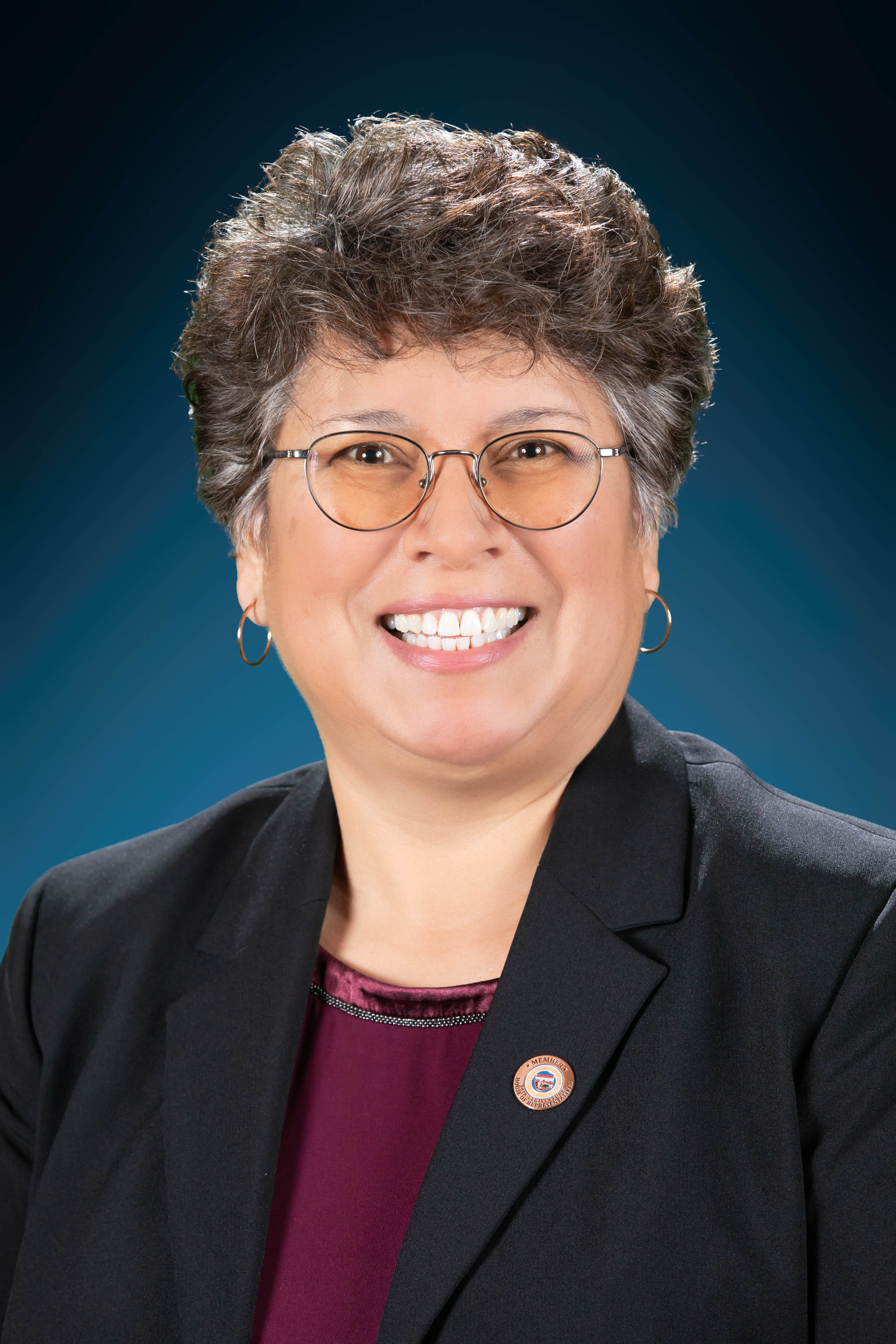
Stephanie Simacek
Stephanie Simacek House · District 2
D
Support
74% 166
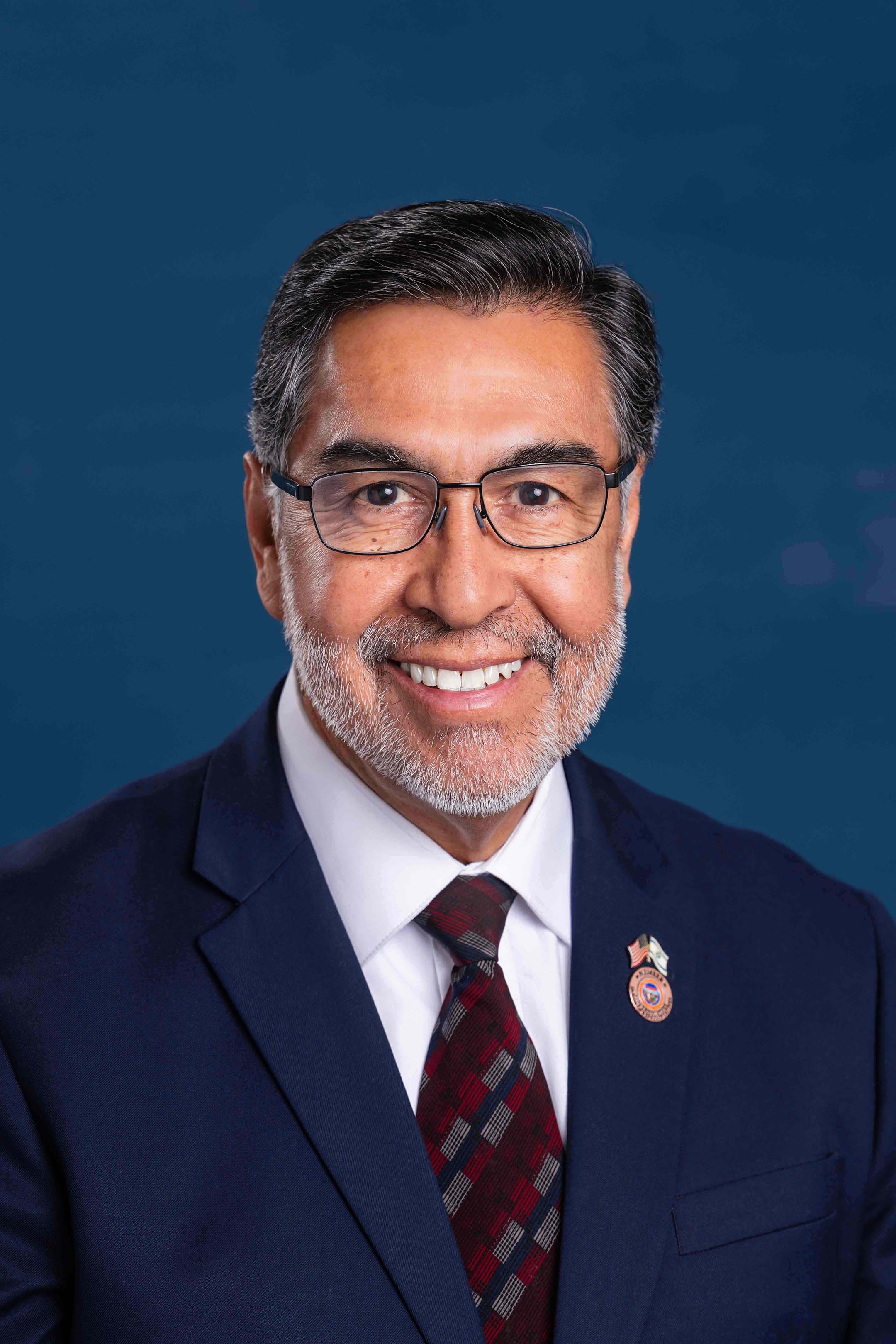
Lydia Hernandez
Lydia Hernandez House · District 24
D
Support
73% 178
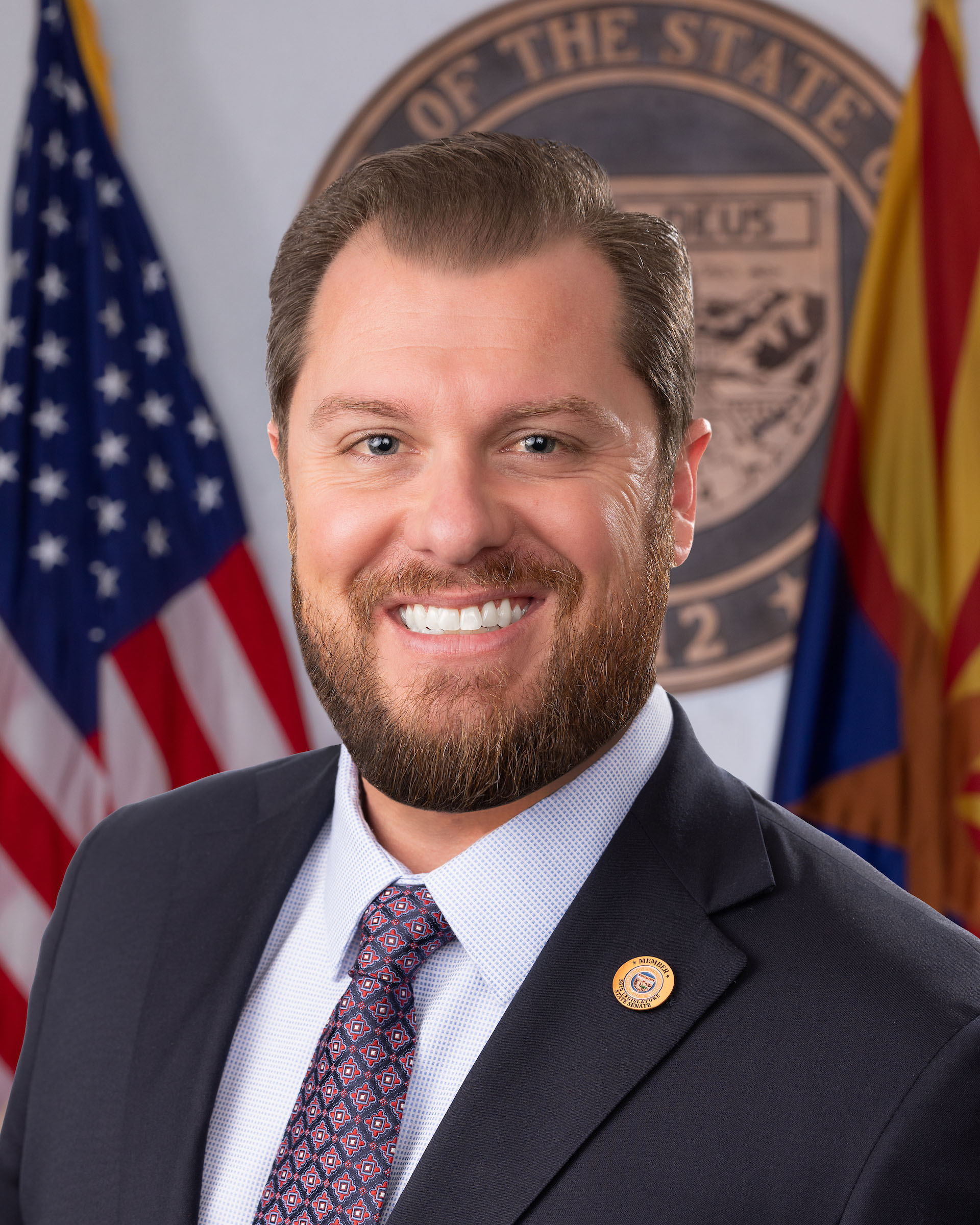
Seth Blattman
Seth Blattman House · District 9
D
Support
71% 47
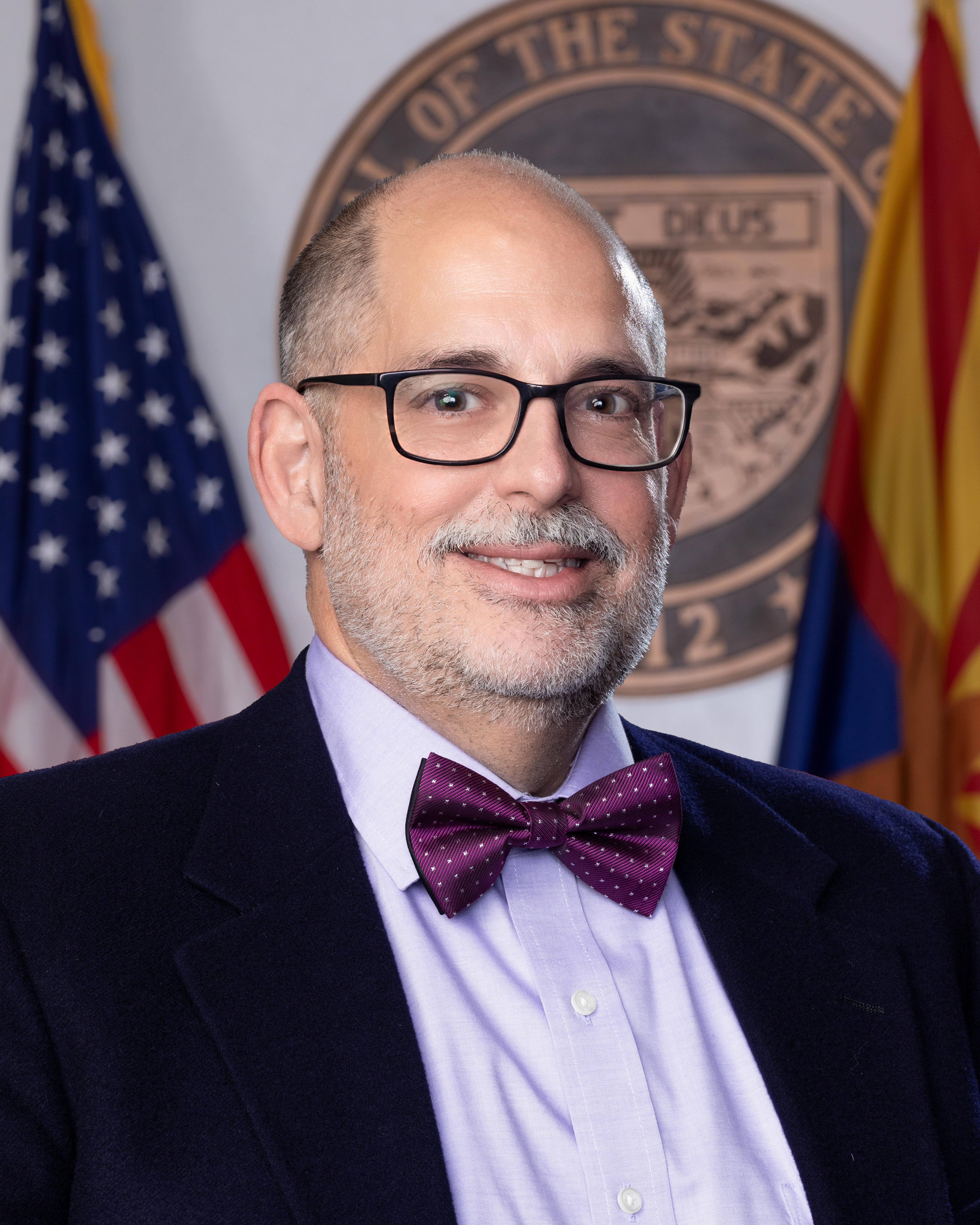
Nancy Gutierrez
Nancy Gutierrez House · District 18
D
Support
71% 126
Patty Contreras
Patty Contreras House · District 12
D
Support
71% 182
Lupe Diaz
Lupe Diaz House · District 19
R
Oppose
40% 191
Jake Hoffman
Jake Hoffman Senate · District 15
R
Mixed −
41% 199
David Livingston
David Livingston House · District 28
R
Mixed −
42% 170
Sally Gonzales
Sally Gonzales Senate · District 20
D
Mixed −
43% 203
Eva Diaz
Eva Diaz Senate · District 22
D
Mixed −
43% 146
Showing 131–140 of 212 bills

All criminal justice bills

passed · Arizona · House Jun 12, 2026

HB 2676: juvenile restoration; rights; firearms; civil

HB 2676 allows individuals adjudicated delinquent as juveniles in Arizona to petition a court for restored firearm rights after meeting specific conditions. It directly affects people who were minors when convicted of certain offenses but not adults. The bill establishes two waiting periods: 25 years for those convicted of serious offenses like burglary or arson, or a two-year wait for other felonies after completing probation or court-ordered conditions. The process requires a court application with no filing fee, served to the county attorney, and is handled by juvenile court judges. This changes the legal pathway for juvenile offenders to regain firearm rights under defined circumstances.
vetoed · Arizona · House Jun 19, 2026

HB 2771: community supervision; rehabilitation; costs

HB 2771 requires individuals on community supervision (probation) in Arizona to pay a $65 monthly fee unless they demonstrate inability to pay. Seventy percent of these fees fund victim compensation programs, while 30% supports community corrections services. The bill also allows charging probationers for actual costs of drug testing or rehabilitation programs, with collected funds limited to covering those specific program expenses. It directly affects people under probation supervision by creating new financial obligations tied to supervision and treatment services.
passed · Arizona · Senate Mar 26, 2026

SB 1140: expungement of misdemeanor records

SB 1140 would allow eligible individuals to petition a court to remove certain misdemeanor arrest or conviction records from public access. This applies to people who were arrested without charges filed, had charges dismissed, received a not guilty verdict, or completed a misdemeanor conviction (after waiting three years, or five years for specific offenses like violations of Section 13-1805). To qualify, petitioners must have no pending legal cases or unpaid fines, and the court must approve the request after reviewing the petition. If approved, the court orders records sealed, making them inaccessible to the public but still available to the individual, their attorney, and law enforcement agencies.
Sub-Topics Courts Law Enforcement
passed · Arizona · Senate Mar 30, 2026

SB 1402: crimes against children; probation; monitoring

SB 1402 adds a specific requirement for individuals convicted of "dangerous crimes against children" (as defined in Arizona law) who must register as a level 3 offender. It mandates that courts require GPS or electronic monitoring for the entire probation period for these offenders, rather than allowing standard probation terms. The bill also permits courts to charge a fee to cover the monitoring costs, which would be deposited into the adult probation services fund. This provision directly affects convicted offenders classified as level 3 sex offenders for child-related crimes who are placed on probation. The law does not change standard probation lengths but adds this monitoring requirement for a specific category of offenders.
Sub-Topics Probation & Parole
signed · Arizona · House Jun 4, 2026

HB 2198: criminal records sealed; petty offense

HB 2198 allows individuals convicted of petty offenses in Arizona to immediately apply to seal their criminal records after completing all sentence terms, including fines. This changes prior rules by eliminating waiting periods for petty offenses (which previously required a 3-year wait for misdemeanors), while maintaining longer waiting periods (3-10 years) for other offenses like felonies. The bill requires payment of all fines and restitution before sealing, and mandates courts to inform defendants of this option at sentencing. It directly affects people with petty offense convictions who meet eligibility criteria, enabling them to clear these records without delay.
passed · Arizona · House Mar 25, 2026

HB 2136: civil terrorism; disorderly conduct; subversion

HB 2136 is a definitional bill that amends Arizona law to clarify terms related to terrorism, extortion, and animal-related offenses. It explicitly defines "civil terrorism" as non-violent civil disobedience (e.g., protests) and excludes it from the legal definition of "terrorism," ensuring peaceful activities aren’t criminalized. Key provisions define "animal or ecological terrorism" as felony acts targeting animal facilities (like farms or research labs) involving property damage over $10,000, violence, or serious injury, and clarify terms like "extortionate credit" (threats of violence to collect debts). This bill directly affects operators of animal facilities, law enforcement, and legal proceedings involving these defined offenses, but does not create new crimes - only refines existing statutory language.
Sub-Topics Law Enforcement
signed · Arizona · House Jun 4, 2026

HB 2440: prisoners; transition program

HB 2440 establishes a 90-day community transition program for eligible Arizona inmates, requiring the Department of Corrections to partner with private or nonprofit entities to provide services like job placement, substance abuse treatment, and family reunification counseling. To qualify, inmates must meet specific criteria (e.g., no recent violent convictions or felony detainers) and agree to provide information for a department report, while victims must receive notice before release. The bill mandates annual reporting on recidivism rates, program participation, and service types, with special provisions allowing eligibility for some inmates convicted of certain drug offenses. It also allows a one-time 90-day extension for inmates needing additional support to address specific risk factors.
introduced · Arizona · Senate Jan 27, 2026

SB 1323: peace officer violence victims' rights

SB 1323 establishes specific rights for victims of police violence and their families in Arizona. It mandates that victims and families receive unredacted bodycam footage and incident reports within 72 hours, free access to involved officers' disciplinary records, and the right to delay interviews for 24 hours after an incident. The bill requires municipalities to create independent victim advocates who connect families with support services and ensures victims are informed before public information releases. It also prohibits police from labeling victims as "suspects" and mandates permanent removal of officers involved in shootings or in-custody deaths, with withheld pensions. These provisions directly affect individuals injured or killed during police interactions and their families.
signed · Arizona · House Jun 19, 2026

HB 2404: authorized transporters

HB 2404 allows courts, mental health agencies, or authorized individuals to request non-police "authorized transporters" (trained staff) to safely transport individuals needing mental health evaluation, instead of using police officers. This applies when there are reasonable grounds to believe the transport can occur without police assistance, and it provides legal immunity from civil liability for all involved parties (except in cases of gross negligence). The bill does not require cities or counties to use authorized transporters instead of police, but if they contract with them, the local government pays for the service. It directly affects mental health evaluation agencies, courts, authorized transporters, and individuals receiving involuntary mental health evaluations.
Sub-Topics Policing Mental Health
passed · Arizona · House Mar 31, 2026

HB 2418: appropriation; major incident task forces

HB 2418 allocates $600,000 from Arizona's state general fund for fiscal year 2026-2027 to the Arizona Criminal Justice Commission. The commission must distribute this funding evenly to the five existing major incident task forces as of the bill's effective date. This funding supports these task forces' operations but does not create new policies or change eligibility for assistance.
Showing 131 to 140 of 212 bills
Previous 1 13 14 15 22 Next