

Maddy summaryThis bill directs the Department of Homeland Security to move its Special Events Program to a different office within the same department within 180 days of passage. The transfer includes all staff, equipment, records, and remaining funds currently used for the program. The change reorganizes how the department manages special events under the Office of Situational Awareness instead of its previous location.
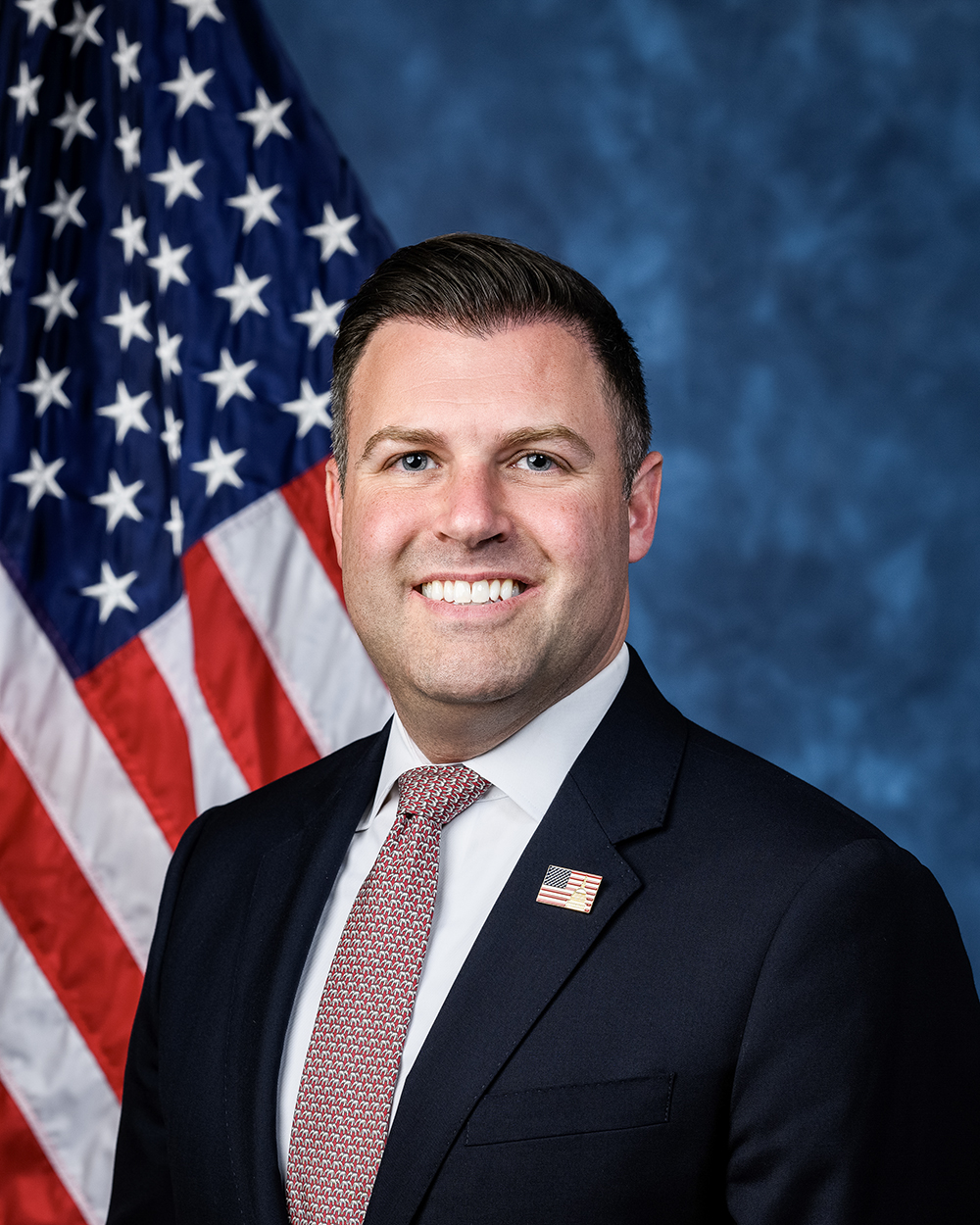
Rep. Ryan Mackenzie
Sponsored bills
Maddy summaryHR 7260 requires the Department of Veterans Affairs (VA) to submit an annual report to Congress starting one year after the bill's enactment, detailing the National Cemetery Administration's operations. The report must include specific data like interment numbers (by cemetery, veteran category, and casketed/cremated remains), customer satisfaction assessments, cemetery maps, construction projects, grant usage, and burial options. All reports must be made publicly available online in digital format. This bill directly affects the VA's reporting obligations and provides Congress with transparent, detailed oversight of veterans' cemetery services.
Maddy summaryThis resolution formally designates May as Lyme and Tick-borne Disease Awareness Month to highlight the growing prevalence of these illnesses across the United States. The bill cites data showing a significant increase in reported cases and emergency room visits for tick bites, emphasizing the need for public education and early detection. By supporting this designation, the House aims to encourage awareness and promote better clinical responses to Lyme disease and related conditions. The measure does not create new laws or funding but serves as a symbolic gesture to draw attention to the issue.
Maddy summaryThe Supporting Newborn Parents Act of 2026 creates a new tax credit of $2,000 for each child born to a taxpayer during the tax year. To receive this credit, parents must have earned income, with the maximum amount limited to 20% of their earnings, and the benefit phases out as family income rises. The bill allows parents to request an advance payment of the credit shortly after a child's birth by providing their information when applying for a Social Security number. Additionally, the legislation requires the Treasury to establish an online portal to help parents understand how to make elections regarding advance payments and estimated income figures.
Maddy summaryThe IGNITE HBCU Excellence Act authorizes federal grants to Historically Black Colleges and Universities (HBCUs) to fund long-term improvements to their campus facilities and infrastructure. These grants are awarded competitively to eligible HBCUs based on criteria such as the age of their facilities, deferred maintenance needs, financial capacity, and student enrollment levels. Recipients may use the funds to construct or renovate buildings, upgrade technology and broadband systems, improve safety measures, and develop workforce training hubs, while being prohibited from using the money for routine maintenance or athletic facilities. The legislation also includes provisions for reporting on project outcomes and requires institutions to create comprehensive master plans that involve consultation with diverse campus and community stakeholders.
Maddy summaryHRES 64 is a non-binding House resolution affirming the U.S.-South Korea alliance. It highlights historical ties (dating to 1882), economic partnerships (including 2023 trade data), and security cooperation (like the 1953 Mutual Defense Treaty), while celebrating Korean American contributions to U.S. society. The resolution formally supports strengthening security, economic, and cultural ties between the two nations and notes the 2025 anniversary of Korean liberation. It does not create new laws or funding, but serves as a symbolic statement of congressional support for the alliance.
Maddy summaryThe FLEX Act amends the Elementary and Secondary Education Act to increase funding for high-quality charter schools. It raises required funding reserves for program expansion (from 12.5% to 15% and 22.5% to 25%) and mandates at least 30% of funds be reserved for charter school facilities, national activities, and program support. The bill explicitly allows funding for "addition or expansion of programs" at existing charter schools (e.g., new academic programs or personalized learning) and permits single-sex educational services. It also clarifies that funds can cover facility operations, renovations, and student transportation needs. This directly affects charter schools, state education entities administering grants, and charter management organizations receiving federal support.
Maddy summaryThis bill would amend federal law to strengthen penalties for organized retail crime by expanding definitions of theft to include digital goods, gift cards, and setting a $5,000 aggregate value threshold for charges over a 12-month period. It would establish a new "Organized Retail and Supply Chain Crime Coordination Center" under Homeland Security to coordinate Federal, State, local, and Tribal law enforcement efforts against cross-jurisdictional theft groups. The Center would share information with retailers, transportation companies, and law enforcement agencies, track crime trends, and produce annual reports on organized retail crime. This legislation directly affects retailers, supply chain businesses, and law enforcement agencies, while targeting organized crime groups responsible for a 93% increase in larceny incidents and rising safety concerns for retail employees. The bill aims to address significant financial losses and supply chain disruptions noted in the National Retail Federation's 2023 data.
Maddy summaryThe Connected Vehicle Security Act of 2026 restricts the importation, sale, and manufacture of vehicles and related technology from specific countries, including China, Russia, Iran, and North Korea, to address national security concerns. The law defines prohibited items as connected vehicles, their software, and hardware components and sets different effective dates, with vehicle bans starting in 2027 and hardware restrictions beginning in 2030. A government official can grant exceptions for specific items after reviewing security risks and notifying Congress, while the agency must publish annual reports on enforcement actions and compliance.
Maddy summaryThis resolution proposes to ban Members of the House, along with their officers and employees, from participating in prediction market contracts or transactions. The rule specifically prohibits these individuals from entering agreements where payments depend on whether a specific real-world event occurs or how much it happens. While the ban is strict, it allows for standard insurance policies where the person has a legitimate financial interest in the outcome. Additionally, the resolution expresses a preference that the executive and judicial branches adopt similar restrictions on prediction market participation.