

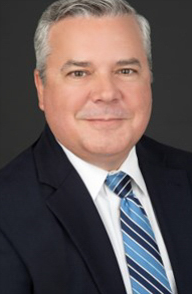
Maddy summaryHR 305 is a resolution commending Rick Clark, the Deputy Director and Chief Operating Officer of the Alabama Port Authority. It recognizes his work and expertise in enhancing the Port of Mobile and its connectivity to international markets.
Sponsored bills
Maddy summaryHR 309 is a resolution that formally commends Retired Staff Sergeant Wesley Porter. It recognizes his leadership and mentorship as the coach of the Alba Robotics Team 14180A, acknowledging his significant contributions to student success and STEM education.
Maddy summaryHB 526 modifies the allowed uses and distribution of funds from the Alabama 21st Century Fund. It establishes that the Alabama 21st Century Authority must maintain a specific debt service reserve. Funds exceeding this reserve can be used for defined project costs and to pay debt service on certain bonds. Additionally, the bill authorizes a one-time transfer of $5,000,000 from the fund to the Alabama Department of Commerce for the fiscal year ending September 30, 2025. These funds are designated for establishing international offices, enhancing rural development strategies, and covering related operational and personnel costs.
Maddy summaryHB 440 amends the law governing fire service fees in Mobile County, Alabama, primarily by expanding the definition of "residence" for fee collection. This bill directly affects property owners in the county by extending the requirement to pay these fees to owners of house trailers, manufactured homes, and lots in residential parks used for motor homes or recreational vehicles as dwellings. These fees are levied to support the establishment and maintenance of firefighting districts. The bill also includes some nonsubstantive updates to the code language.
Maddy summaryHB 93 exempts all property used by the Alabama State Port Authority from the state's requirement to inventory and audit personal property valued over $500. This change removes the Port Authority from the list of state entities subject to regular property audits by the State Auditor. The bill also updates the code language to reflect this exemption and takes effect October 1, 2025. (Procedural bill; summary limited to 3 sentences as requested.)
Maddy summaryHB 3 requires enhanced sentencing for illegal alien defendants convicted of crimes against minors. Specifically, it mandates that illegal aliens convicted of a felony with a minor victim face an automatic upgrade in felony class (e.g., a Class D felony becomes a Class C), while misdemeanor convictions against minors are reclassified as Class C felonies. The bill directly affects non-U.S. residents who commit offenses against children, applying to all felony and misdemeanor cases where the victim is a minor. It does not change sentencing for citizens or cases without minor victims, focusing solely on the defendant's immigration status and the victim's age. The law takes effect on October 1, 2025.
Maddy summaryHB 92 establishes the Alabama Seagrass Restoration Task Force to address declining seagrass beds in state waters. The task force will develop a restoration plan recommending specific tools, approaches, and technologies to reverse seagrass loss. This bill directly affects Alabama's coastal ecosystems and communities reliant on healthy marine environments. The plan must be developed within the task force's framework, with the bill set to take effect October 1, 2025. The task force is currently pending committee review in the House of Representatives.
Maddy summaryHB 2 requires parental or caregiver consent for minors to receive vaccines. It specifically expands the definition of who can provide consent to include "individuals acting in loco parentis" (caregivers acting as parents, such as guardians or foster parents), not just biological parents. The bill directly affects minors seeking routine or recommended vaccinations and the healthcare providers or schools administering them. This change modifies existing consent requirements to ensure broader legal authorization for minors' vaccine access.
Maddy summaryHB 106 expands Alabama's catastrophe savings account program to help homeowners cover hurricane and flood-related costs. It allows account holders to use funds for broader "Qualified Catastrophe Expenses," including FORTIFIED insurance endorsements and home improvements that reduce storm damage risk (like reroofing). Contribution limits are adjusted based on individual insurance deductibles, with caps up to $15,000 for most homeowners or $250,000 for self-insured individuals. Account contributions qualify for state income tax deductions, and interest is tax-exempt, while distributions for eligible expenses avoid immediate taxation.
Maddy summaryHB 79 prohibits the State Board of Pharmacy and employers from disciplining pharmacists who recommend off-label medical treatments to patients. This directly affects pharmacists, protecting them from professional penalties when suggesting medications for uses not specifically approved by the FDA. The key provision bans disciplinary actions against pharmacists for providing such recommendations during patient consultations. The bill aims to expand pharmacists' role in patient care by allowing them to discuss off-label options without fear of licensing or employment repercussions.