

Issue · Technology
Technology
Every technology bill, vote, and legislator stance in Alabama, automatically classified by Maddy, our AI policy reader.
Total bills
21
119th Congress
Top supporter
Terri A. Sewell
82% support rate
Top opponent
Dale W. Strong
25% support rate
Ranked legislators
7
2 support · 5 oppose
Key legislators
Who's moving technology in Alabama
| Legislator | Party | Stance | Support rate | Votes |
|---|---|---|---|---|
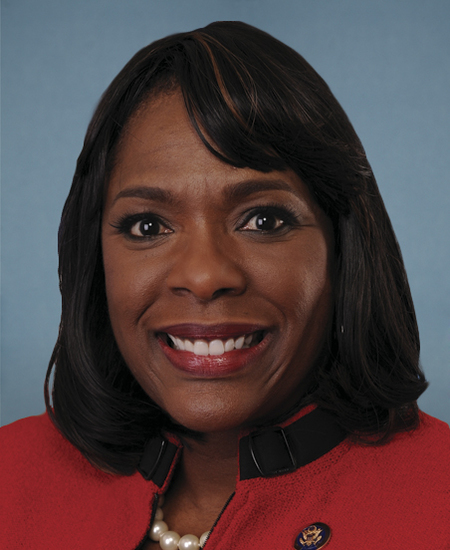
Terri A. Sewell
House · District 7
|
D |
Strong +
|
82% | 261 |
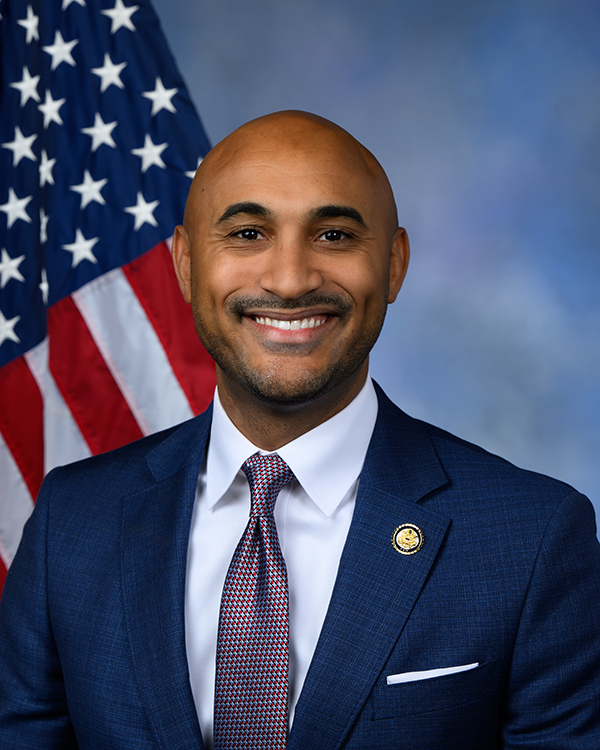
Shomari Figures
House · District 2
|
D |
Support
|
76% | 259 |
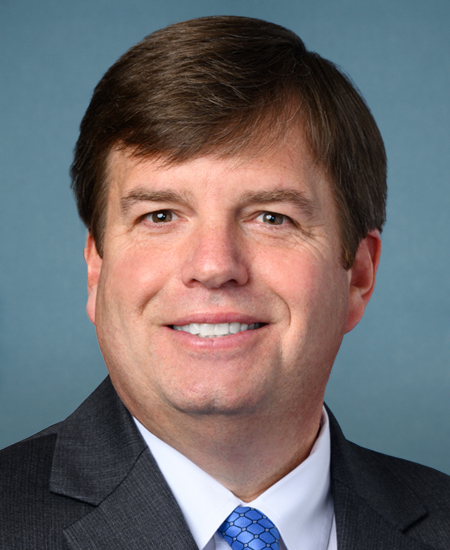
Dale W. Strong
House · District 5
|
R |
Oppose
|
25% | 255 |
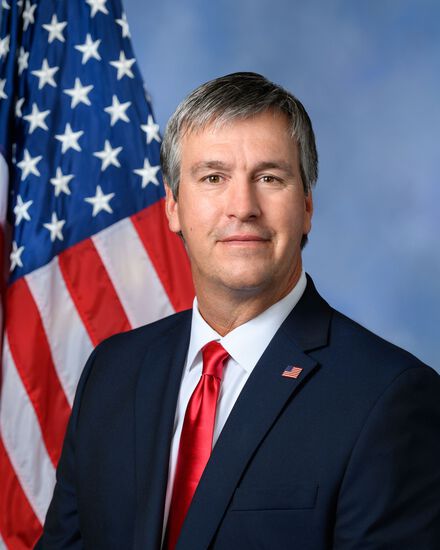
Barry Moore
House · District 1
|
R |
Oppose
|
27% | 258 |
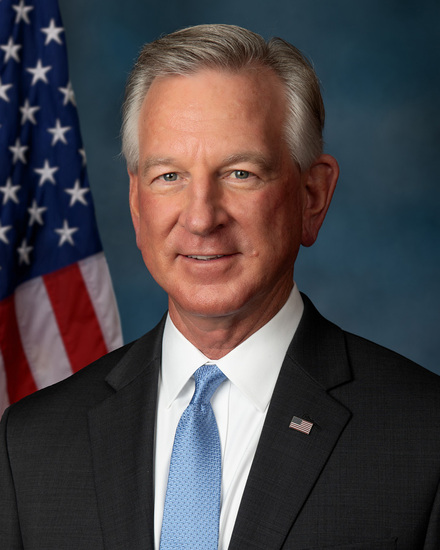
Tommy Tuberville
Senate
|
R |
Oppose
|
31% | 223 |

Katie Boyd Britt
Senate
|
R |
Oppose
|
31% | 228 |

Mike Rogers
House · District 3
|
R |
Oppose
|
32% | 259 |
Showing 1–10 of 21
bills
All technology bills
HR 9453: End EPA Abuse Act of 2026
Topics
✗ EnergyOpposes EnergyBill restricts EPA authority to regulate internal combustion engines and power plant fuel sources, limiting renewable energy and clean energy standards.
✗ EnvironmentOpposes EnvironmentBill explicitly limits EPA authority to restrict ICE vehicles and mandate fuel switches, weakening environmental regulations.
✗ TechnologyOpposes TechnologyBill restricts EPA authority to mandate emerging clean technologies and limits regulatory actions that could drive innovation in energy sectors.
✗ TransportationOpposes TransportationBill restricts EPA authority to regulate vehicle emissions and fuel sources, limiting environmental protections and sustainable transportation policies.
HR 9442: Artificial Intelligence Data Center Moratorium Act
Topics
✗ EnergyOpposes EnergyBill imposes a moratorium on AI data center construction, directly restricting energy infrastructure development and power capacity expansion.
✗ TechnologyOpposes TechnologyBill imposes a moratorium on AI data center construction and upgrades, restricting technological development and expansion.
Sub-Topics
Artificial Intelligence
S 4429: Connected Vehicle Security Act of 2026
Topics
✗ TechnologyOpposes TechnologyBill restricts importation, sale, and use of connected vehicles and related technology from specific countries, limiting market access and technological availability.
✗ TransportationOpposes TransportationBill restricts importation, sale, and use of connected vehicles from specific countries, limiting vehicle availability and technology access.
Sub-Topics
Electric Vehicles
HR 881: DHS Restrictions on Confucius Institutes and Chinese Entities of Concern Act
Topics
✗ EducationOpposes EducationBill restricts DHS funding for institutions with Confucius Institute ties, limiting educational access and resources for affected colleges and universities
✗ TechnologyOpposes TechnologyBill restricts DHS funding for institutions with ties to Chinese tech entities, limiting access to educational technology resources and potentially reducing cybersecurity collaboration with international partners.
Sub-Topics
Higher Education
HR 1367: ELITE Vehicles Act
Topics
✗ Budget & TaxesOpposes Budget & TaxesRepeals federal tax credits for EVs and charging infrastructure, directly reducing tax benefits for consumers/businesses.
✗ EnergyOpposes EnergyRepeals tax credits for EVs and charging infrastructure, directly reducing incentives for clean energy vehicle adoption and infrastructure development.
✗ EnvironmentOpposes EnvironmentRepeals tax credits for EVs and charging infrastructure, reducing incentives for clean transportation adoption and increasing emissions.
✗ TechnologyOpposes TechnologyBill eliminates tax credits for electric vehicles and charging infrastructure, restricting technology adoption and limiting clean vehicle access.
✗ TransportationOpposes TransportationRepeals tax credits for EVs and charging infrastructure, removing financial incentives that promote sustainable transportation adoption.
HR 1052: UNPLUG EVs Act
Topics
✗ Budget & TaxesOpposes Budget & TaxesRescinds unobligated funds from EV infrastructure programs and redirects to general fund to reduce deficit, defunding specific programs per bill language.
✗ EnergyOpposes EnergyDefunds EV infrastructure programs by rescinding unused funds from National Electric Vehicle Infrastructure Program, redirecting to Treasury to reduce deficit.
✗ EnvironmentOpposes EnvironmentBill rescinds funds for electric vehicle infrastructure programs, critical for clean energy and emissions reduction. Defunding weakens environmental progress in transportation infrastructure.
✗ TechnologyOpposes TechnologyBill rescinds funding for EV infrastructure programs, limiting technology adoption and charging network expansion.
✗ TransportationOpposes TransportationBill rescinds funds from EV infrastructure programs (National Electric Vehicle Infrastructure Program) to reduce deficit, directly defunding transportation-related initiatives per bill summary.
HR 729: Teleabortion Prevention Act of 2025
Topics
✗ HealthcareOpposes HealthcareRestricts telehealth abortion services by requiring in-person visits, limiting patient access to a healthcare service and imposing fines for remote provision.
✗ TechnologyOpposes TechnologyBill restricts telehealth services by requiring physical presence, limiting remote access to medical care and reducing digital health equity.