

Maddy summaryWyoming's HB 192 proposes changes to penalties for drivers who refuse chemical tests after a DUI arrest when a search warrant has been obtained. The bill increases penalties for refusal to include up to six months in jail, a $750 fine, and mandatory license suspension (30 days to one year) for all drivers, including those under 21 and commercial drivers. It also allows refusal to be used as evidence in court and requires offenders to complete substance use disorder assessments and treatment at their own expense. The bill would take effect on July 1, 2026, if passed.
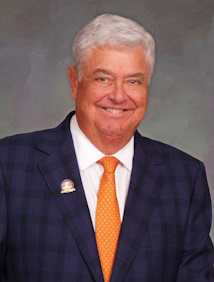
Sen. Mike Gierau
Sponsored bills
Maddy summaryHB 47 requires any person who reasonably believes another person faces immediate risk of serious injury or death to attempt to contact emergency services (like 911) if doing so doesn't endanger themselves or the other person. It directly affects all Wyoming residents who witness such emergencies. The law creates a misdemeanor offense for failing to assist under these conditions, with penalties of up to 6 months in jail and $750 for causing serious injury, or up to 1 year and $2,000 if death occurs. Exemptions include those who provide assistance under other laws or would self-incriminate by reporting. The law takes effect July 1, 2026.
Maddy summaryWyoming's SF 64 creates the Wyoming Housing Revolving Loan Program to address affordable housing shortages. It provides loans to local governments, housing authorities, and nonprofits for new construction, rehabilitation, or land acquisition of affordable and workforce housing (80% of funds), plus zero-interest loans for planning and predevelopment (20% of funds). The program is funded by a $30 million transfer from the Strategic Investments Account (if not repealed), with repaid loans replenishing the fund. All loans require state attorney general certification and annual reporting to the legislature on fund usage and project outcomes.
Maddy summarySF 73 would establish a formal process for Wyoming to implement tolls on state highways. It grants the Department of Transportation authority to create a tolling program, requiring federal and state commission approval before tolls can be placed on any highway. The bill mandates reporting to a legislative committee after approvals and allows the Department to create rules for the program. This bill, which failed introduction in the legislature on February 10, 2026 (18-12), would directly affect Wyoming's highway system and transportation planning but has not become law.
Maddy summaryThis bill (SF 42) clarifies and updates Wyoming counties' zoning authority under state law. It specifically allows counties to regulate mineral extraction (excluding sand, gravel, and construction materials) in unincorporated areas while preventing counties from restricting such activity. The bill also ensures private schools meeting specific criteria (50+ students, nonprofit, certified facility design) are treated similarly to public schools under zoning rules. These changes take effect July 1, 2026, and do not affect existing leases or agreements made before that date.
Maddy summaryThis bill requires Wyoming public school districts to provide age-appropriate, evidence-based suicide prevention education to all students. It mandates that schools use programs consistent with existing state materials and training standards outlined in related statutes. The requirement applies to all K-12 public schools and takes effect on July 1, 2026. The legislation directly affects students and school districts by establishing a new mandatory educational component focused on suicide prevention.
Maddy summaryThis bill repeals Wyoming's "strategic investments and projects account" and requires all remaining funds in that account to be transferred to the state general fund by July 1, 2026. It eliminates a dedicated state fund that previously held money for capital projects, redirecting those resources to the general budget. The bill also includes reporting requirements for the state auditor on the transfer process. This is a procedural budget adjustment affecting state fund management, not a policy change impacting specific programs or constituents.
Maddy summaryHB 136 allows volunteer firefighters, emergency medical technicians, and search/rescue personnel in Wyoming to join the state employees' group health insurance plan without being disqualified due to participation in government health programs - except for the Affordable Care Act marketplace. It permits first responder departments to contribute toward volunteers' insurance premiums and requires volunteers to submit annual proof of their active status to their department. The bill takes effect July 1, 2025, and modifies existing rules to streamline enrollment and ongoing eligibility for these volunteers.
Maddy summaryThis is a symbolic joint resolution (HJ 3), not a binding law. It formally recognizes Wyoming's constitutional obligation to provide equal access to free public education for all students, including those in rural areas, and acknowledges the importance of small rural schools serving 102 students across 12 districts. The resolution makes no new funding or policy changes; it simply states the legislature's position and directs the Secretary of State to share it with the Department of Education for distribution to school districts. It does not require any action from schools or the state government.
Maddy summarySF 100 allows children under 16 who are victims of incest, sexual assault, human trafficking, or certain violent crimes to testify remotely in court to reduce emotional distress. The court must hold a hearing and find that in-person testimony would cause more than minimal distress before permitting remote testimony, which uses closed-circuit technology to let the child testify separately from the defendant and jury. The bill also requires courts to provide accommodations like breaks, a supportive adult present (not a witness), or a therapeutic dog to help the child feel comfortable during testimony. It ensures defendants maintain real-time communication with their attorney during the child’s testimony and may exclude the jury from the child’s testimony room if needed. The law takes effect July 1, 2025.