

Maddy summaryThis bill requires most Wyoming Medicaid recipients to work, attend school, or volunteer for at least 20 hours per week to maintain eligibility, beginning three months after initial approval. Exceptions apply to children under 18, seniors 65+, pregnant individuals, caregivers of young children or disabled dependents, and those in treatment programs. Failure to comply results in a 12-month loss of Medicaid coverage, with verification required every six months. The bill also prohibits similar work requirements for SNAP (food assistance) and mandates that any federal savings from approved waivers fund child care for employed Medicaid recipients.
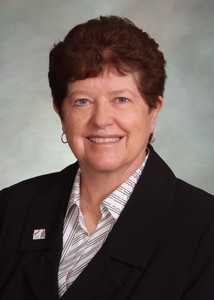
Sen. Wendy Schuler
Sponsored bills
Maddy summaryWyoming's SF 95 requires auto insurers to disclose when using non-original manufacturer parts in vehicle repairs and ensures those parts meet the same quality, fit, and performance as original parts. Insurers must clearly identify aftermarket parts on repair estimates and provide written notice in bold text to claimants about the use of non-original parts. Vehicle owners can request original manufacturer parts but must pay any additional cost if they choose them over equal-quality aftermarket options. The law, effective July 2019, enforces these requirements through Wyoming's Unfair Trade Practices Act.
Maddy summaryThis bill (SF 103) expands and reorganizes Wyoming's oversight for state capital construction projects. It renames the "select committee on school facilities" to include community colleges and state capital construction, authorizes additional temporary members, and specifies the committee's expanded duties - including reviewing construction project designs and receiving annual reports from state agencies. The bill removes the requirement for quarterly committee meetings and updates statutes to clarify how the committee coordinates with the state building commission and legislative bodies on construction priorities and funding recommendations. This change directly affects the committee, state agencies managing facilities, and the legislative process for capital projects.
Maddy summaryHB 147 changes Wyoming law to make foreign language instruction for kindergarten through second grade optional for school districts, rather than mandatory. School districts may choose to offer such programs, but if they do, they must follow state board standards for instruction. This bill directly affects all Wyoming public school districts serving K-2 students. It became effective July 1, 2019, after passing the Education Committee unanimously.
Maddy summaryWyoming's HB 228 requires the Department of Transportation and Game and Fish Department to study wildlife-vehicle collisions on highways and wildlife deaths along specific railroad corridors (near U.S. Highway 30). The bill mandates collecting data on accident locations, injuries, animal deaths, and injury locations from 2019-2023, then creating priority maps and lists of high-risk areas. It appropriates $5 million for wildlife safety projects like signage, crossings, and fences on identified highways, with projects requiring local matching funds (5-30% depending on the entity). This directly affects drivers, wildlife conservation efforts, and communities along Wyoming highways and railroads, focusing on reducing collisions through data-driven infrastructure improvements.
Maddy summaryWyoming's SF 82 establishes a legal framework for "do not resuscitate" (DNR) directives, allowing any adult with medical decision-making capacity to formally request no CPR in end-of-life situations. The bill enables individuals to have a DNR designation visibly marked on their Wyoming driver's license or ID card, alongside standardized medical bracelets or signed directives. It specifies that DNR orders apply to medical care except in cases of trauma (like car crashes), and protects emergency responders and healthcare providers who follow valid DNR directives in good faith. The law also creates standardized forms for creating, revoking, and removing DNR designations from licenses.
Maddy summaryThis bill amends Wyoming law to strengthen protections for children under 16 by specifically prohibiting caregivers from exposing children to methamphetamine, cocaine, heroin, or LSD in any setting (including manufacturing, storage, or use locations). It clarifies that "in the presence of a child" includes situations where a caregiver knows a child is present and may witness domestic violence or drug activity. The law also limits temporary protective custody to 48 hours for the affected child and 24 hours for siblings in the same household, requiring court orders for extended custody. These changes became effective July 1, 2019, directly impacting caregivers, law enforcement, and child protective agencies.
Maddy summaryWyoming's SF 81 defines electric bicycles into three classes with specific speed limits: Class 1 (20 mph assist only while pedaling), Class 2 (20 mph without pedaling), and Class 3 (28 mph assist only while pedaling). The bill requires manufacturers to affix permanent labels showing class, speed, and motor wattage on all e-bikes, prohibits modifications without relabeling, and clarifies e-bikes are not motor vehicles (so they don’t require licenses or registration). It also sets operational rules: Class 3 bikes are restricted on some paths, require helmets for minors, and must have speedometers, while all e-bikes must meet federal safety standards and disengage motors when braking or not pedaling. The law directly affects e-bike manufacturers, riders, and local authorities managing bicycle paths.