

Maddy summaryWyoming's SF 63 allows property owners adjacent to state lands (without a lease) to build legal partition fences along those boundaries. The state lands office will cover half the construction cost, and both parties share maintenance costs based on their interest in the fence. The bill requires the state lands office to create implementing rules and takes effect July 1, 2025, except for rulemaking and effective date provisions that take effect immediately upon enactment. This directly affects landowners bordering state lands and the state lands office.
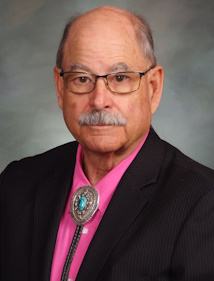
Sen. Ogden Driskill
Sponsored bills
Maddy summaryWyoming's HB 75 reduces the severance tax rate for surface coal mining from 6.5% to 6% effective July 1, 2025. The bill lowers both the constitutional portion (from 1.5% to 1%) and the statutory portion (from 5% to 4.5%) of the tax. This directly affects surface coal mining companies operating in Wyoming by decreasing their tax burden. The change modifies existing tax distribution rules outlined in Wyoming statutes but does not alter how the tax revenue is allocated to the mineral trust fund or severance tax account.
Maddy summaryThis bill removes a requirement that the state reimburse charter schools for leasing facility space when the state construction department determines no adequate district facilities exist. It directly affects charter schools in Wyoming that operate outside their school district's available buildings. The change eliminates the state's obligation to cover these leasing costs, shifting that responsibility to the charter schools themselves.
Maddy summaryThis bill changes how Wyoming charter schools receive funding from their school districts. It requires districts to allocate a portion of their central office nonpersonnel expenses and personnel costs to charter schools based on the charter school's average daily membership compared to the total district membership. For example, if a charter school has 10% of the district's students, it would receive 10% of those allocated district costs. The bill takes effect July 1, 2025, and directly affects all Wyoming charter schools operating within public school districts.
Maddy summaryHB 73 adds "rock climbing" to the list of recreation activities covered under Wyoming's Recreation Safety Act. This change directly affects landowners who allow rock climbing on their property, clarifying that liability protections for landowners apply to this activity. The bill amends existing definitions in two statutes to include rock climbing within the scope of "sport or recreational opportunity" and "recreational purpose." It takes effect July 1, 2025, and does not create new safety requirements - only updates the legal definition.
Maddy summaryHB 45 removes otters from Wyoming's list of protected animals under hunting regulations. This change directly affects hunters and wildlife management by allowing regulated hunting of otters, which were previously protected. The bill amends Wyoming Statute 23-1-101(a)(ix) to delete "otter" from the definition of "protected animal," which previously included species like black-footed ferrets and lynx. The law would take effect on July 1, 2025, if enacted. This is a substantive policy change altering hunting permissions, not a procedural or commemorative measure.
Maddy summaryHB 168 prohibits the manufacture, sale, and distribution of cultivated meat in Wyoming. It directly affects businesses producing or selling lab-grown meat products within the state. The bill defines "cultivated meat" as meat grown from cultured animal cells in a lab (not harvested from animals) and bans its sale under state law, with penalties including license suspension for violators. The law takes effect July 1, 2025, except for implementation rules that take effect immediately upon passage.
Maddy summarySF 156 prohibits Wyoming school districts from using state foundation program funds for capital construction or major facility repairs/replacements. The bill specifically blocks these funds from covering costs for educational buildings, offices, portable classrooms, or "enhancements" (non-essential upgrades), and restricts special reserve funds from being spent on similar projects. It affects all Wyoming public school districts receiving foundation program funds, requiring them to separate these funds from capital improvement budgets. The law amends existing statutes to clarify these spending restrictions and requires districts to report compliance in annual financial reports.
Maddy summaryHB 304 prohibits trespassing on state-leased cultivated cropland for hunting or fishing without authorization from the Wyoming Board of Land Commissioners. It directly affects individuals who enter such land without permission for recreational hunting or fishing activities. The bill adds a new violation to existing law, making this trespass a misdemeanor punishable by fines up to $750, up to six months in jail, or both, plus restitution for damages. The law takes effect on July 1, 2025.
Maddy summaryHB 320 creates the Taxation and Revenue Task Force 2028 to study how local governments, school districts, and special districts in Wyoming fund essential services. The task force, composed of legislative members, county/city representatives, school district leaders, and revenue experts, must analyze current revenue sources to determine if they cover services and meet constitutional requirements for equal education funding. It will develop recommendations for sustainable revenue solutions through 2050, including potential legislation, and report findings to the governor and legislature by December 2026. This bill does not change tax laws but directs a study to address long-term revenue needs for local services and schools.