

Maddy summaryWyoming's HB 83 authorizes the governor to negotiate written agreements with tribes regarding hunting, fishing, trapping, and gathering rights based on treaty or federal rights on state lands. The bill requires tribes to adopt enforceable game codes, align seasons with state regulations (except for ceremonial purposes), share harvest data, and comply with state conservation rules. It ensures tribal members without valid licenses follow state laws outside the Wind River Reservation and clarifies that agreements do not override private property rights without owner permission. The law mandates a report to the legislature after each agreement is finalized and grants state agencies rulemaking authority for implementation.
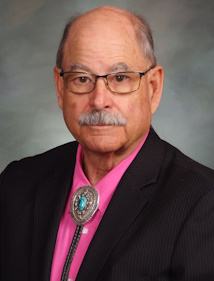
Sen. Ogden Driskill
Sponsored bills
Maddy summarySF 7 amends Wyoming's definition of "opiate antagonist" to explicitly include naloxone hydrochloride (marketed as Narcan) and other FDA-approved medications for treating opioid overdoses. This clarifies which substances qualify under the existing Emergency Administration of Opiate Antagonist Act, ensuring consistency for first responders and healthcare providers. The change takes effect July 1, 2023, and does not create new requirements or funding. The bill solely updates terminology in current law without altering enforcement or access provisions.
Maddy summaryThis bill amends Wyoming's financial institution approval process to prevent customer confusion. It requires new banks or credit unions to choose names that don't closely resemble existing institutions in the same county or state. The key change adds a specific naming criterion to the approval standards, effective July 1, 2023, directly affecting applicants seeking state licensing.
Maddy summaryWyoming's SF 176 allows two or more existing solid waste disposal districts to merge into a single district. It outlines specific procedures for consolidation, including initiation via county commissioner resolution (without elections for districts in the same county) or through existing statutory processes. The bill prevents changes to district boundaries, requires county commissioner approval for multi-county consolidations, and sets rules for appointing directors based on population. It also maintains existing tax limits for the consolidated district and applies standard special district consolidation rules. The bill takes effect immediately upon becoming law.
Maddy summaryHB 112 increases penalties for repeat theft offenses by establishing a new felony classification for a fifth or subsequent conviction. It directly affects individuals convicted of a fifth or later theft-related crime, including shoplifting, larceny, or property theft under state or local laws. The bill imposes a maximum penalty of 10 years in prison, a $10,000 fine, or both for these offenses. This change takes effect on July 1, 2023, modifying existing theft penalty statutes to create a separate felony tier for repeat offenders.
Maddy summaryHB 70 modifies Wyoming's legal definition of a "home-based educational program" under W.S. 21-4-101(a)(v). It specifies that such a program must be provided by a parent, legal guardian, or their designated person to a single child, and explicitly excludes programs serving more than one family unit. The bill takes effect July 1, 2023, and does not create new requirements or funding but clarifies what qualifies as a home-based program for regulatory purposes. This directly affects parents or guardians providing home education to their own child, excluding multi-family educational arrangements from this definition.
Maddy summaryWyoming's SF 122 extends temporary vehicle registration options for nonresident workers employed in the state. It allows nonresident employees to purchase a temporary permit ($50 per month, max 180 days) instead of full registration, provided their vehicle already displays valid out-of-state plates and insurance. The permit must be visibly displayed and replaces the need for standard registration fees, with collected funds going to county general funds. This directly affects nonresident workers driving vehicles registered in other states.
Maddy summaryWyoming's Senate Joint Resolution 7 (SJ 7) is a symbolic resolution expressing legislative support for the relationship between Wyoming and Taiwan. It reaffirms Wyoming's commitment to strengthening economic ties, educational cooperation, and Taiwan's participation in international organizations like the WHO. The resolution directs Wyoming's Secretary of State to send copies to U.S. officials, Wyoming's congressional delegation, Taiwan's leadership, and the Taipei Economic and Cultural Office. As a non-binding resolution, it does not create new laws or alter policy but formally states Wyoming's position.
Maddy summaryWyoming's HB 120 prohibits police from asking drivers or passengers to exit a vehicle during a traffic stop unless they have reasonable suspicion of a serious crime (punishable by jail), a search warrant, notification of an out-of-state crime, or immediate danger of bodily harm. The law directly affects drivers, passengers, and law enforcement officers during routine traffic stops. If officers violate this rule, any evidence found as a result cannot be used in court. The bill, which died in committee in 2023, would have taken effect July 1, 2023.
Maddy summaryWyoming's HB 210 creates a "restricted financial institution list" for banks that discriminate against energy companies without a valid business reason. It requires the state treasurer to maintain this list after board approval, providing 45 days' notice to institutions before listing them and allowing removal if they stop discriminatory practices. The state must then refuse to enter into banking contracts with institutions on the list, affecting state and local government financial relationships. This bill directly impacts financial institutions that target fossil fuel companies, with definitions clarifying "discrimination" includes refusing service based on energy sector activities. The policy change focuses on state contracting practices, not altering banking regulations for institutions.