

Maddy summaryHB 57 prohibits Wyoming counties and municipalities from banning or restricting fireworks use or possession between noon and midnight on July 4, except during an open fire ban. It also explicitly allows fireworks in state parks, campgrounds, and similar public areas during that same time window, unless an open fire ban is active. The bill amends existing state laws to remove local restrictions specifically for July 4, while maintaining other fireworks regulations outside this timeframe. It does not alter rules for fireworks displays outside July 4 or for other public safety concerns.
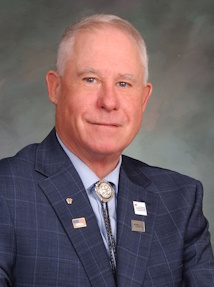
Rep. Bill Allemand
Sponsored bills
Maddy summaryHB 119 establishes minimum standards for property easements acquired through eminent domain in Wyoming. It requires condemners (like government agencies or utilities) to provide 30 days' notice to local officials before taking property, clarifies landowners aren't liable for most issues arising from the easement (only intentional acts), and mandates condemnors cover reclamation costs after the easement ends. The bill also ensures property improvements are included in compensation calculations and restricts existing easements to their original purpose unless amended. It applies to condemnation actions starting July 1, 2025, and doesn't affect current contracts.
Maddy summaryHB 146 increases penalties for taking stray livestock without the owner's consent in Wyoming. It sets a minimum $750 fine (up from prior) and maximum $1,500 fine for first offenses, and a minimum $1,500 fine with a maximum $3,000 fine for second or subsequent offenses under W.S. 11-24-103. The bill directly affects individuals who take, retain, or restrain lost animals without the owner's knowledge or permission. It becomes effective July 1, 2025, and modifies existing penalties for violations of livestock estray laws.
Maddy summaryHB 163 prohibits employers in Wyoming from hiring individuals who are unlawfully present in the U.S. or not authorized to work under federal law. It imposes misdemeanor penalties of $1,000 for a first offense and $5,000 for subsequent offenses. The bill exempts workers with valid visas or those lawfully renewing status under federal guidelines, and each violation counts as a separate offense. The law would take effect on July 1, 2025, if passed.
Maddy summaryHB 152 requires blood donors in Wyoming to disclose if they've received a COVID-19 or mRNA vaccine. Blood from vaccinated donors must be clearly labeled on packaging and related paperwork. Patients receiving blood transfusions (in non-emergency situations) can request blood from unvaccinated donors if available at their facility. The bill defines key terms like "mRNA vaccine" and directs the state health department to create implementing rules. It does not change blood safety standards but adds disclosure and labeling requirements for donor vaccination status.
Maddy summaryHB 287 requires Wyoming counties to reimburse individuals for legal costs (including attorney fees and bail) when they successfully use self-defense in criminal cases and are found not guilty, have charges dismissed, or are released from prosecution. It also mandates courts to automatically expunge all related criminal records in these cases, removing arrest and prosecution history from public records. The bill directly affects people facing criminal charges who defend themselves, streamlining access to reimbursement and record removal through simplified court petitions with no filing fees.
Maddy summaryHB 145 requires absentee voters in Wyoming to include specific identification information on a designated envelope inside their ballot package. Voters must provide either their Wyoming driver's license number, Wyoming ID card number, or the last four digits of their social security number. This change applies to all absentee ballots and takes effect July 1, 2025. The bill directly affects voters who choose absentee voting by adding a new step for verifying identity when returning ballots.
Maddy summaryWyoming's SF 109, the "Prohibit Red Flag Gun Seizure Act," bans state and local government entities from enforcing any "red flag" gun seizure orders against residents. It prohibits using state funds or personnel to implement federal or state laws that restrict firearm possession without a violent felony conviction or specific protective order. The bill creates civil liability for agencies that violate it, allowing residents to sue for damages and up to $50,000 per violation. It explicitly excludes standard evidence seizure during lawful investigations but overrides all conflicting local laws on this issue.
Maddy summaryHB 93 increases Wyoming's reimbursement limit for livestock quarantine costs from $25,000 to $50,000 per single quarantine event under the state's animal reimbursement program. The bill directly affects livestock owners and the Wyoming Livestock Board, which administers these payments. It also establishes that payments will stop when the unexpended account balance reaches $100,000 or less, resuming once the balance exceeds that amount. The changes apply to quarantine efforts starting July 1, 2024, and adjust existing provisions in Wyoming Statute 11-19-118(d).
Maddy summarySF 102 prohibits foreign entities designated as "foreign adversaries" (including governments or companies from specified countries) from owning or acquiring real property within 10 miles of critical infrastructure or military installations in Wyoming. It requires such entities to divest property within 8 months of notice, with court-ordered sales and forfeiture of proceeds to the state if they fail to comply. The law mandates registration of foreign ownership with the Secretary of State, requires inclusion of ownership prohibitions in tax documents, and defines key terms like "critical infrastructure" and "significant interest" (25%+ ownership). These provisions apply directly to foreign governments, their entities, or U.S. entities controlled by them, aiming to protect infrastructure security through enforceable ownership restrictions.