

Maddy summaryThis bill (SF 111) creates a new felony offense for intentionally administering medical procedures, drugs, or agents to change the sex of a child under 18. It directly affects minors under 18, their medical providers, and parents/guardians regarding certain medical treatments. Key exceptions include medical care for intersex conditions diagnosed before age 4, treatment for ambiguous genitalia at birth, and care for traumatic injuries or life-threatening conditions - excluding psychological or emotional issues. Consent from the child, parents, or guardians is not a valid defense against this offense. The law takes effect July 1, 2023.
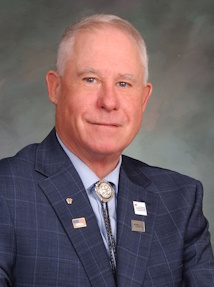
Rep. Bill Allemand
Sponsored bills
Maddy summaryWyoming's SF 143, the Wyoming Freedom Scholarship Act, creates education savings accounts (ESAs) providing $6,000 annually per eligible student (adjusted for inflation) to cover qualifying education expenses. It directly affects Wyoming residents who are K-12 students not yet graduated, allowing parents or guardians to use ESA funds for private school tuition, online learning, tutoring, textbooks, technology, and other approved educational costs. The state treasurer administers the program, disbursements occur monthly, and funds come from a dedicated state account - not local taxes - with excess funds transferred to the school foundation program if balances exceed $30 million. Qualified schools (non-governmental, non-discriminatory) are explicitly not considered state or federal agents under this program.
Maddy summaryWyoming's SF 134 requires sellers of vacant or subdivided land (under 140 acres) to provide written disclosure to prospective buyers about farm and ranch operations within one mile of the property. The disclosure notice explains that normal agricultural activities - like noise, odors, machinery use, and pesticide application - may occur at any time and are protected under Wyoming's Right to Farm law (11-44-101-104). It clarifies buyers cannot seek legal remedies for these standard practices if conducted properly. The bill directly affects rural homebuyers and sellers in areas near active farms, with the requirement taking effect July 1, 2023.
Maddy summaryWyoming's SF 142 requires public utilities to offer coal-fired power plants for sale specifically for carbon capture, utilization, and sequestration (CCUS) projects. The bill establishes rules for selling carbon dioxide streams (e.g., for enhanced oil recovery), mandates bonding to cover future decommissioning and cleanup costs, and sets definitions for key terms like "carbon capture customer" (oil/gas companies using CO2 streams). It aims to make captured carbon dioxide available for industrial use while preventing rate hikes for electricity customers. The law also requires studies and reports on implementation, targeting coal plant operators and oil/gas industry stakeholders directly affected by the new requirements.
Maddy summaryHB 104 allows Wyoming hunters to use artificial light technologies - including thermal or infrared imaging - for night hunting of predatory animals (like coyotes or wolves) on both private and public land. It directly affects landowners (with written permission), residents managing property, and hunters on public land. The bill requires the Game and Fish Commission to create specific rules governing the permitted technology and hunting methods. The changes take effect July 1, 2023, with rulemaking provisions active immediately upon enactment.
Maddy summaryHB 175 modifies Wyoming's student attendance rules to explicitly include participation in the state fair as an excused absence. It requires school districts to define absences for students exhibiting at or participating in events connected to Wyoming's annual state fair (under W.S. 11-10-101) as excused, similar to other school activities. The bill does not change verification requirements - schools may still request proof of the absence. This directly affects public school students in Wyoming who compete or exhibit at the state fair, ensuring their absence is treated as excused under district attendance policies. The law took effect July 1, 2023.
Maddy summaryHB 70 modifies Wyoming's legal definition of a "home-based educational program" under W.S. 21-4-101(a)(v). It specifies that such a program must be provided by a parent, legal guardian, or their designated person to a single child, and explicitly excludes programs serving more than one family unit. The bill takes effect July 1, 2023, and does not create new requirements or funding but clarifies what qualifies as a home-based program for regulatory purposes. This directly affects parents or guardians providing home education to their own child, excluding multi-family educational arrangements from this definition.
Maddy summaryHB 257 requires written consent from surface landowners (who are not the mining operator or mineral owner) before any revisions to mining permits or reclamation plans can be approved by Wyoming's environmental agencies. The bill specifically applies to all mining permits except surface coal mining permits and affects landowners who lease or own land where mining occurs but do not operate the mine. Key provisions mandate that operators must obtain this written landowner approval for any permit or reclamation plan changes, including boundary adjustments or operational modifications. The law became effective July 1, 2023, for all applications submitted after that date.
Maddy summaryHB 233 allows emergency medical services providers to transport and treat injured police dogs during emergencies when no human patients require immediate ambulance transport. The bill specifies that providers may administer care like controlling bleeding, opening airways, or giving oxygen, and requires a law enforcement officer to accompany the dog during transport. It also grants immunity to EMS providers who act in good faith to aid police dogs, protecting them from civil liability for such actions. The law applies to police dogs owned or employed by law enforcement or corrections agencies (including search and rescue and fire dogs) and takes effect July 1, 2023.
Maddy summaryWyoming's HB 120 prohibits police from asking drivers or passengers to exit a vehicle during a traffic stop unless they have reasonable suspicion of a serious crime (punishable by jail), a search warrant, notification of an out-of-state crime, or immediate danger of bodily harm. The law directly affects drivers, passengers, and law enforcement officers during routine traffic stops. If officers violate this rule, any evidence found as a result cannot be used in court. The bill, which died in committee in 2023, would have taken effect July 1, 2023.