

Maddy summaryWyoming's HB 152, the "Life is a Human Right Act," prohibits most abortions by defining "abortion" as the intentional termination of an unborn baby's life from conception. It directly affects pregnant individuals and medical providers in Wyoming by banning abortion except when a physician uses reasonable medical judgment to prevent the death of the pregnant woman, address a serious risk to her life or a life-sustaining organ, or treat an ectopic pregnancy. The bill explicitly excludes contraception from the prohibition and defines "unborn baby" as a living human from fertilization through birth. This law creates criminal penalties for violations and amends existing abortion-related statutes.
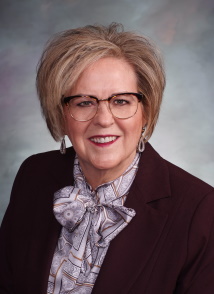
Rep. Martha Lawley
Sponsored bills
Maddy summaryThis Wyoming bill (SF 133) prohibits male students from competing on teams designated for female students in K-12 interscholastic sports. It requires schools to designate teams as "male," "female," or "coed" based on biological sex at birth (defined as "genetics and anatomy at birth" in Section 21-25-101(iv)). The bill also creates a commission to determine eligibility if courts invalidate the main prohibition (Section 21-25-202), but its core effect is to bar male students from female-designated teams. It directly affects public and private K-12 schools and student athletes in Wyoming.
Maddy summaryWyoming's SF 174 creates a new Wyoming Charter School Authorizing Board to oversee public charter schools statewide. The board, consisting of five members (including the state superintendent and appointees from the governor, Senate, and House), will approve, renew, and oversee charter schools under specific quality standards. The bill modifies how charter schools are authorized (replacing school district oversight with the state board), adjusts funding rules, and requires transparency in decision-making. This directly affects public charter schools, their governing boards, and the state education department as the local education agency.
Maddy summaryHB 76 amends various Wyoming licensing board statutes by removing outdated language, obsolete dates, and redundant requirements. It specifically eliminates the state board's requirement to conduct cosmetology exams, updates continuing education rules for occupational therapists, and removes references to an accreditation committee for respiratory care practitioners. The bill affects multiple licensed professions, including cosmetology, pharmacy, veterinary medicine, and real estate, by modernizing administrative procedures without creating new obligations. Key changes streamline existing rules by deleting expired provisions while maintaining current licensing processes. The bill takes effect upon enactment, with no new financial or operational impacts on licensees.
Maddy summaryHB 101 amends Wyoming's trust laws to modernize administration and clarify roles. It updates definitions (like "qualified trustee" and "power of appointment"), changes who can modify or terminate trusts (allowing settlors, trustees, and beneficiaries to initiate proceedings), and revises procedures for filling trustee vacancies. The bill also clarifies that trust protectors or advisors directing trustee actions are not automatically fiduciaries, reducing liability for trustees following such directions. These changes directly affect trust creators, trustees, beneficiaries, and advisors managing or using Wyoming trusts.
Maddy summaryHB 229 allows Wyoming's Department of Revenue and county treasurers to collect sales and use taxes electronically. It updates tax filing rules to explicitly permit vendors (businesses selling taxable goods/services) and taxpayers to submit returns and pay taxes online or via electronic methods, rather than only by mail or in person. The bill specifically clarifies that county treasurers may accept electronic payments for vehicle registration taxes during initial registration. It does not change tax rates or obligations, only modernizing the payment process for existing requirements. This affects all businesses collecting sales tax and individuals purchasing taxable items in Wyoming.
Maddy summaryHB 169 requires Wyoming school districts to ensure high school students in grades 9-12 have access to at least 12 college credits through partnerships with accredited institutions like the University of Wyoming or community colleges. School boards must make these post-secondary options "reasonably accessible" to eligible students, working with higher education providers. The law takes effect July 1, 2023, directly impacting Wyoming public high school students and school district obligations. It modifies existing requirements for school-district collaboration with post-secondary institutions to guarantee credit access.
Maddy summaryThis bill (SF 111) creates a new felony offense for intentionally administering medical procedures, drugs, or agents to change the sex of a child under 18. It directly affects minors under 18, their medical providers, and parents/guardians regarding certain medical treatments. Key exceptions include medical care for intersex conditions diagnosed before age 4, treatment for ambiguous genitalia at birth, and care for traumatic injuries or life-threatening conditions - excluding psychological or emotional issues. Consent from the child, parents, or guardians is not a valid defense against this offense. The law takes effect July 1, 2023.
Maddy summaryWyoming's SF 143, the Wyoming Freedom Scholarship Act, creates education savings accounts (ESAs) providing $6,000 annually per eligible student (adjusted for inflation) to cover qualifying education expenses. It directly affects Wyoming residents who are K-12 students not yet graduated, allowing parents or guardians to use ESA funds for private school tuition, online learning, tutoring, textbooks, technology, and other approved educational costs. The state treasurer administers the program, disbursements occur monthly, and funds come from a dedicated state account - not local taxes - with excess funds transferred to the school foundation program if balances exceed $30 million. Qualified schools (non-governmental, non-discriminatory) are explicitly not considered state or federal agents under this program.
Maddy summaryHB 121 modifies Wyoming's property tax deferral program to help homeowners with primary residences on parcels ≤40 acres. It caps deferred taxes at 50% of annual real estate taxes, sets interest rates at 4% compounded annually (or treasury-based for specific cases), and requires the Department of Revenue to confirm funding availability before approving deferrals. Eligibility now requires annual financial status verification, and deferred taxes become due immediately if property value exceeds 50% of the property's fair market value. The bill also mandates county rulemaking, public outreach, and annual reporting to the Department of Revenue.