

Maddy summaryHR 5437, the *Protection of Lawful Commerce in Stone Slab Products Act*, prohibits lawsuits against manufacturers and sellers of stone slab products (like countertops) for injuries caused by silica dust exposure during third-party fabrication (e.g., cutting or grinding by fabricators). It directly affects stone slab manufacturers and sellers by shielding them from civil liability when injuries result from fabricators violating workplace safety laws. The bill’s key provision bans such lawsuits in federal or state courts and requires dismissal of pending cases. It aims to protect this industry, which employs thousands, from claims they cannot control, emphasizing that safety regulations apply to fabricators - not the original sellers.
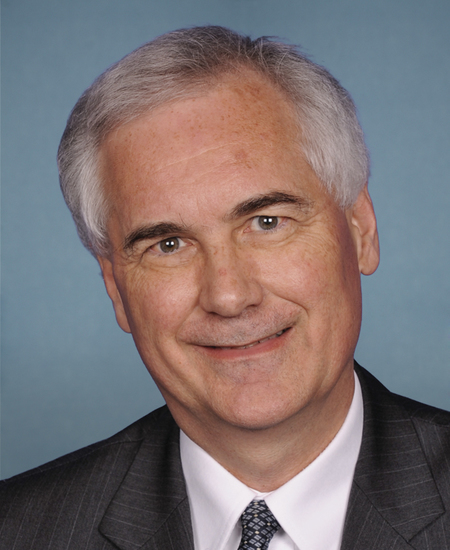
Rep. Tom McClintock
Sponsored bills
Maddy summaryThis bill creates new grounds for deporting non-citizens who are members of or associated with criminal gangs. It defines a "criminal gang" as a group of five or more people whose primary purpose is committing serious crimes like drug offenses, violence, trafficking, or weapons violations. The Secretary of Homeland Security can designate groups as criminal gangs after consultation with the Attorney General, and these designations make gang members ineligible for asylum, temporary protected status, parole, and other immigration benefits. The bill also establishes procedures for reviewing and revoking these designations, with limited judicial review options.
Maddy summaryThis bill, titled the Protect Domestic Oil and Gas Small Business Act of 2026, exempts small oil and gas wells from specific environmental regulations under the Clean Air Act. It directly affects owners and operators of marginal wells, defined as sites producing 15 barrels of oil or less per day, or 90,000 cubic feet of natural gas or less per day. The legislation removes requirements for monitoring, reporting, and leak detection for these smaller operations, while also mandating that the EPA approve any state plan revisions granting this exemption within 180 days. Additionally, the bill requires the EPA to update its regulations to reflect these changes and to terminate any ongoing enforcement actions against marginal wells that were initiated before the law takes effect.
Maddy summaryHR 184, the "Action Versus No Action Act," requires the Secretary of Agriculture or Interior to limit environmental reviews for specific forest management activities to only two alternatives: the proposed activity or "no action." It applies when projects occur on lands suitable for timber production and meet conditions like being part of a collaborative process, developed via a resource advisory committee, or covered by a community wildfire protection plan. The bill mandates that "no action" alternatives must explicitly analyze impacts on forest health, wildfire risk, habitat, water supply, and economic factors. This directly affects federal land managers conducting environmental assessments under the National Environmental Policy Act (NEPA) for these designated projects.
Maddy summaryThis bill transfers approximately 204 acres of land (85.3 acres and 118.84 acres) into federal trust for the Shingle Springs Band of Miwok Indians, Shingle Springs Rancheria, California. It revokes a 1964 public land order and requires the Secretary of the Interior to place the specified land into trust within 180 days of enactment, designating it as part of the Tribe's reservation. The transferred land is prohibited from being used for any class II or class III gaming under federal law. This directly affects the Tribe by granting them federal trust status over the land, subject to existing rights and administered under standard trust regulations.
Maddy summaryHR 2488 designates the U.S. Postal Service facility at 3817 Marysville Boulevard in Sacramento, California, as the "Grantland Johnson Post Office." This bill updates all federal references in laws, maps, and documents to use the new name for that specific location. It directly affects the postal service facility and any federal records mentioning it. The bill is purely procedural, with no policy changes or financial impacts beyond the name designation.
Maddy summaryThis House Resolution proposes to formally "expunge" the two impeachments of President Donald Trump that passed the House of Representatives on December 18, 2019, and January 13, 2021. If passed, the resolution specifies that these impeachments would be treated "as if such Articles had never passed the full House of Representatives." This action directly affects President Trump by aiming to remove these impeachment proceedings from his official record and would alter the historical legislative record of the House. The resolution's text outlines several reasons for this action, including claims of wrongful accusations, lack of due process, and political bias in the original impeachment proceedings.
Maddy summaryThis bill proposes a comprehensive overhaul of the H-1B visa program by pausing new issuances for three years and capping the annual limit at 25,000 visas. It would eliminate the current lottery system, replacing it with a process that prioritizes employers offering the highest wages, while also restricting visa holders to a maximum stay of three years and banning them from holding multiple jobs simultaneously. The legislation further mandates that all H-1B workers be paid at least $200,000 annually, prohibits staffing agencies from sponsoring these visas, and bars federal agencies from hiring or petitioning for H-1B workers. Additionally, the bill would end employment authorization for foreign students and interns, and generally prevent most nonimmigrants from adjusting their status to become permanent residents while in the United States.
Equal Representation Act This bill requires that the statement sent by the President to Congress after the decennial census indicating the number of persons in each state exclude noncitizens. (This statement is the basis for reapportionment of U.S. Representatives.) The bill also requires any questionnaire used in the decennial census to include a checkbox or other similar option for respondents to indicate whether the respondent and each household member is (1) a U.S. citizen, (2) a U.S. national but not a citizen, (3) a non-U.S. national ( alien under federal law) lawfully residing in the United States, or (4) a non-U.S. national unlawfully residing in the United States. The Department of Commerce must make public the number of persons in each state, disaggregated by each of these four categories.
Maddy summaryHR 8380 amends the Congressional Budget and Impoundment Control Act of 1974 to establish new procedures for how the Senate and House of Representatives consider annual appropriation (spending) bills. In the Senate, the bill applies existing rules for budget resolutions to these spending bills and limits debate on them to a maximum of 20 hours. For the House of Representatives, it prohibits adjourning for more than three calendar days during the month of July until all annual appropriation bills for the upcoming fiscal year have been approved by the House. These changes directly affect how members of Congress manage and approve federal spending legislation.