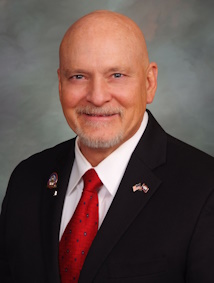
HB 178 prohibits public employers from automatically deducting union dues or fees from public employees' paychecks. It requires public employee unions to annually report detailed financial information to members, including membership numbers, revenue sources, and spending over $5,000 (such as political activities or legal services), with reports distributed to members, posted online, and available upon request. The bill applies to all public employee unions in Wyoming, including those representing firefighters, and takes effect July 1, 2026. Violations are punishable as misdemeanors, and unions already filing federal LM-2 reports are exempt from the annual reporting requirement.
This bill amends Wyoming's Pharmacy Act to raise the minimum age for pharmacists to administer vaccines from 3 to 7 years old, directly affecting children under 7 who previously could receive immunizations from pharmacists. It also adds protections preventing employers from discriminating against pharmacists who decline to provide collaborative pharmacy care or administer vaccines to children under 13. The bill requires the Board of Pharmacy to create rules for collaborative care and vaccine administration, with most provisions taking effect July 1, 2026. These changes clarify pharmacist authority, patient eligibility, and workplace protections under the state's pharmacy regulations.
SF 109 creates a permanent "Cowboy State Agricultural Trust Fund" in Wyoming, funded through state investments and eligible contributions. The fund's earnings will provide grants to support agricultural programs, including University of Wyoming research, workforce development at community colleges, K-12 agricultural education, value-added projects, and technology adoption in farming. Recipients must match each dollar from the fund with at least one dollar in non-state funds and report on grant usage annually. The bill establishes a committee to manage grant applications, oversight, and reporting requirements. This legislation directly affects Wyoming agricultural educators, students, producers, and institutions through new funding mechanisms.
This bill requires regular drivers to yield to roadside service and tire repair vehicles when they're stopped or moving slowly near roadways. It allows these vehicles to use flashing white, amber, red, or blue lights and exempts them from having to install horns or sirens like emergency vehicles. The law directly affects roadside service crews, tire repair businesses, and all other drivers sharing roads with these vehicles. It takes effect on July 1, 2026.