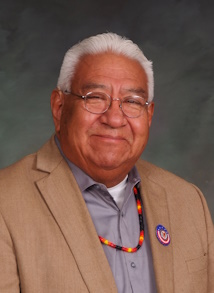
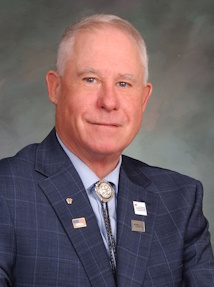
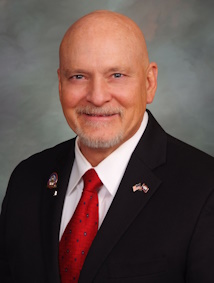
HB 178 prohibits public employers from automatically deducting union dues or fees from public employees' paychecks. It requires public employee unions to annually report detailed financial information to members, including membership numbers, revenue sources, and spending over $5,000 (such as political activities or legal services), with reports distributed to members, posted online, and available upon request. The bill applies to all public employee unions in Wyoming, including those representing firefighters, and takes effect July 1, 2026. Violations are punishable as misdemeanors, and unions already filing federal LM-2 reports are exempt from the annual reporting requirement.
This bill amends Wyoming's Pharmacy Act to raise the minimum age for pharmacists to administer vaccines from 3 to 7 years old, directly affecting children under 7 who previously could receive immunizations from pharmacists. It also adds protections preventing employers from discriminating against pharmacists who decline to provide collaborative pharmacy care or administer vaccines to children under 13. The bill requires the Board of Pharmacy to create rules for collaborative care and vaccine administration, with most provisions taking effect July 1, 2026. These changes clarify pharmacist authority, patient eligibility, and workplace protections under the state's pharmacy regulations.
SF 109 creates a permanent "Cowboy State Agricultural Trust Fund" in Wyoming, funded through state investments and eligible contributions. The fund's earnings will provide grants to support agricultural programs, including University of Wyoming research, workforce development at community colleges, K-12 agricultural education, value-added projects, and technology adoption in farming. Recipients must match each dollar from the fund with at least one dollar in non-state funds and report on grant usage annually. The bill establishes a committee to manage grant applications, oversight, and reporting requirements. This legislation directly affects Wyoming agricultural educators, students, producers, and institutions through new funding mechanisms.
HB 131 prohibits Wyoming government entities (including state agencies, counties, cities, and school districts) from using public funds to pay for membership fees, travel, or lobbying activities with "government member associations" (groups composed primarily of government entities or employees that seek to influence government decisions). It requires these entities to document and publish online details of employee participation in such associations, including time spent and work performed, and designates all related documents as public records. The bill also repeals an existing exception that allowed the Wyoming Board of Professional Engineers and Land Surveyors to pay for membership fees using public funds.
HB 114 sets new safety rules for railroad operations in Wyoming. It limits train lengths to 8,500 feet or the shortest passing track/siding, requires wayside detection systems every 10 miles on main lines to identify equipment problems (like overheating parts), and mandates visual inspections and operator reporting. Railroad companies operating in Wyoming must install these systems, train staff on their use, and report detection alerts or system failures. Violations could result in civil penalties ranging from $500 per foot over length limits to $250,000 for severe safety failures causing injury. The bill directly affects all railroad companies operating trains within the state.
HB 6 reduces the maximum weekly unemployment benefits for eligible claimants in Wyoming. It amends the benefit calculation to cap payments at 20 times a person's weekly benefit amount (down from 26 times) or 30% of their base-period wages, whichever is lower. The bill affects individuals filing unemployment claims on or after January 1, 2027, and renames the oversight body to the "unemployment reemployment insurance commission." It also allocates $18,000 for system updates through June 2027, with all provisions effective January 1, 2027, except the funding section, which takes effect immediately.