

Issue · Immigration
Immigration
Every immigration bill, vote, and legislator stance in Wyoming, automatically classified by Maddy, our AI policy reader.
Total bills
50
119th Congress
Top supporter
Cynthia M. Lummis
71% support rate
Top opponent
Harriet M. Hageman
19% support rate
Ranked legislators
3
2 support · 1 oppose
Key legislators
Who's moving immigration in Wyoming
| Legislator | Party | Stance | Support rate | Votes |
|---|---|---|---|---|
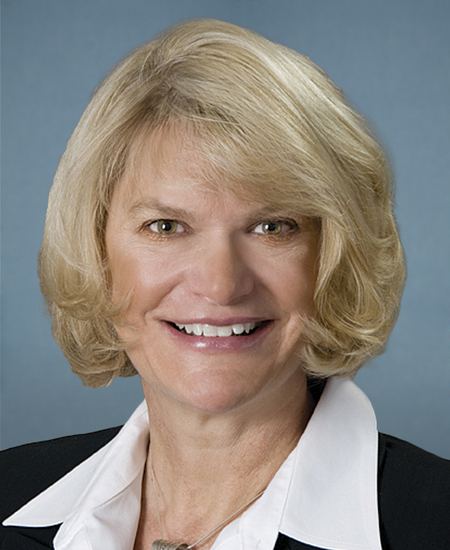
Cynthia M. Lummis
Senate
|
R |
Support
|
71% | 174 |
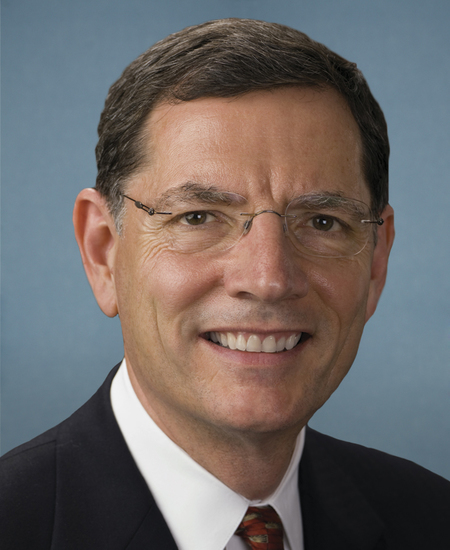
John Barrasso
Senate
|
R |
Support
|
70% | 180 |

Harriet M. Hageman
House · District At-Large
|
R |
Strong −
|
19% | 150 |
Showing 1–10 of 50
bills
All immigration bills
HR 10222: No HUD Funding for Sanctuary Cities Act
Topics
✗ HousingOpposes HousingBill prohibits HUD grant funds for sanctuary jurisdictions, directly restricting housing development and assistance funding based on immigration policy.
✗ ImmigrationOpposes ImmigrationBill penalizes sanctuary jurisdictions by cutting HUD funds, restricting local protections for immigrants and limiting their access to housing services.
S 5023: Ban Birth Tourism Act of 2026
S 4317: No Licenses for Illegal Drivers or Truckers Act of 2026
Topics
✗ ImmigrationOpposes ImmigrationBill restricts immigrant access to driver's licenses and state IDs by mandating verification of lawful presence and increasing state cooperation with federal enforcement.
✗ TransportationOpposes TransportationBill restricts driver's licenses for truckers and drivers, limiting access to transportation infrastructure and services.
S 4316: Sanctuary City Elimination Act
Topics
✗ Criminal JusticeOpposes Criminal JusticeBill restricts funding for local jurisdictions, limiting resources available for law enforcement and community safety initiatives.
✗ EnvironmentOpposes EnvironmentBill cuts federal grants for environmental protection in sanctuary jurisdictions, effectively restricting funding for environmental initiatives.
✗ HousingOpposes HousingBill cuts federal funding for community housing projects in sanctuary jurisdictions, restricting housing development and assistance.
✗ ImmigrationOpposes ImmigrationBill restricts access to federal grants for jurisdictions that limit cooperation with immigration enforcement, thereby weakening protections for immigrants.
S 4398: CDL Act
Sub-Topics
Driver Licenses & IDs
HR 7703: Stop Illegal Alien Cops Act
Topics
✗ Criminal JusticeOpposes Criminal JusticeBill restricts law enforcement by prohibiting government entities from employing or arming individuals unlawfully in the US, limiting police operational capacity.
✗ ImmigrationOpposes ImmigrationBill restricts government entities from employing individuals unlawfully in the US and removes firearm exemptions for such individuals, limiting protections for immigrants.
S 4224: Dalilah’s Law Act
Topics
✗ Criminal JusticeOpposes Criminal JusticeBill imposes mandatory minimum sentences and expands criminal penalties for undocumented drivers, restricting rights and increasing criminalization.
✗ ImmigrationOpposes ImmigrationBill restricts immigrant access to commercial licenses and mandates E-Verify, limiting immigrant employment opportunities and protections.
✗ TransportationOpposes TransportationBill restricts commercial driver's licenses and imposes penalties, limiting transportation workforce access and potentially reducing interstate commerce mobility.
Sub-Topics
Sentencing
Driver Licenses & IDs
Enforcement
Work Authorization
Driver Licensing
Roads & Highways
S 2984: Employee Rights Act
Topics
✗ ImmigrationOpposes ImmigrationBill restricts union voting rights for non-lawfully-status employees, limiting immigrant worker participation in collective bargaining and protections.
✗ Labor & EmploymentOpposes Labor & EmploymentSection 5 reclassifies workers as independent contractors, weakening employee protections and union organizing rights, despite procedural changes like secret ballots.
HR 3608: Connor’s Law
Topics
✗ ImmigrationOpposes ImmigrationBill mandates English proficiency for commercial drivers, restricting language access for non-English speaking immigrants and limiting their employment opportunities.
✓ TransportationSupports TransportationRequires English proficiency for commercial drivers to improve safety compliance with traffic signs and official communication, aligning with transportation safety standards.