Issue · Criminal Justice

Criminal Justice

Every criminal justice bill, vote, and legislator stance in Wyoming, automatically classified by Maddy, our AI policy reader.

Total bills
14
2026 Regular Session
Top supporter
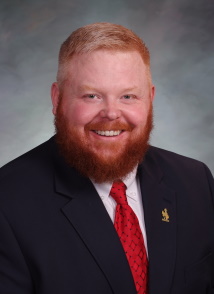
Jeremy Haroldson
88% support rate
Top opponent
Art Washut
27% support rate
Ranked legislators
10
5 support · 5 oppose
Key legislators

Who's moving criminal justice in Wyoming

Legislators moving criminal justice in Wyoming
Legislator Party Stance Support rate Votes
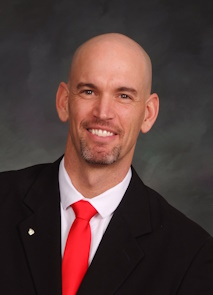
Jeremy Haroldson
Jeremy Haroldson House · District 4
R
Strong +
88% 47
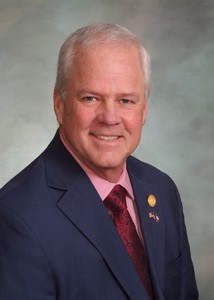
Mike Gierau
Mike Gierau Senate · District 17
D
Strong +
80% 65
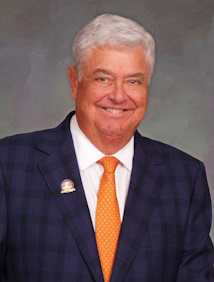
Dan Laursen
Dan Laursen Senate · District 19
R
Strong +
80% 65
Joel Guggenmos
Joel Guggenmos House · District 55
R
Support
75% 50
Tomi Strock
Tomi Strock House · District 6
R
Support
75% 48
Art Washut
Art Washut House · District 36
R
Oppose
27% 53
Lee Filer
Lee Filer House · District 44
R
Oppose
36% 52
J.T. Larson
J.T. Larson House · District 17
R
Oppose
38% 47
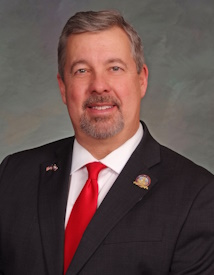
Ken Clouston
Ken Clouston House · District 32
R
Oppose
38% 49
Cody Wylie
Cody Wylie House · District 39
R
Oppose
38% 45
Showing 11–14 of 14 bills

All criminal justice bills

signed · Wyoming · House Mar 8, 2026

HB 43: Anti-money laundering.

HB 43 creates new criminal offenses for money laundering and illegal investments in Wyoming. It defines money laundering as moving property derived from crime (like drug trafficking or fraud) or structuring transactions to hide illegal money, and illegal investment as intentionally evading reporting rules for financial transactions. The bill directly affects financial institutions (such as banks, casinos, and money transmitters) and individuals handling large sums, requiring them to comply with reporting laws. Violations are punishable as felonies with up to 10 years in prison or $10,000 fines. The law takes effect July 1, 2026.
Sub-Topics Corrections
signed · Wyoming · House Mar 6, 2026

HB 28: Sexual exploitation of children-amendments.

Wyoming's HB 28 amends the legal definition of "explicit sexual conduct" under the state's child exploitation law. It adds specific examples like bestiality, masturbation, and sadistic/masochistic abuse to the existing definition, clarifying what constitutes the crime. This change directly affects law enforcement and prosecutors handling child exploitation cases by providing a more detailed standard for charging offenders. The updated definition takes effect on July 1, 2026.
Sub-Topics Law Enforcement
signed · Wyoming · House Mar 6, 2026

SF 10: Contracts for holding and treating mentally ill detainees.

SF 10 allows Wyoming's Department of Health to enter contracts with county detention centers to provide security, examination, and treatment for mentally ill individuals awaiting competency evaluations in criminal cases. This bill directly affects county detention facilities (if designated), the Department of Health, and mentally ill detainees who would be held in these contracted facilities instead of the state hospital. Key provisions include creating new authority for the Department to designate qualified facilities and establish written contracts with counties under Section 7-11-308. The bill amends definitions to explicitly include county jails with such contracts as "facilities" under the law. It takes effect July 1, 2026.
failed · Wyoming · House Feb 11, 2026

HB 14: Protecting self-defense-reimbursement and amendments.

HB 14 requires Wyoming counties to reimburse individuals for legal costs (including attorney fees and bail) when they successfully defend against criminal charges by reasonably using self-defense, resulting in a not-guilty verdict, dismissed charges, or release from prosecution. It also mandates automatic expungement (permanent removal) of criminal records for these individuals without requiring a court hearing, including no filing fees for either reimbursement petitions or expungement requests. The bill directly affects people prosecuted for crimes but acquitted or having charges dismissed due to lawful self-defense. Key provisions include county-funded reimbursement for defense costs and streamlined court orders to erase all related arrest and prosecution records. The law applies to cases where self-defense was used to prevent injury or property damage, as defined in the bill.
Sub-Topics Courts
Showing 11 to 14 of 14 bills