

Maddy summaryAB 620 requires teachers and administrators in Wisconsin's parental choice programs and Special Needs Scholarship Program to hold state teaching licenses starting July 1, 2027. Schools may employ educators with at least five years of prior experience (as of July 1, 2027) under a temporary, nonrenewable waiver until July 1, 2032. The law creates a process for these educators to apply for waivers while working toward full licensure, with the state department developing implementing rules. It applies specifically to private schools participating in these state-funded education choice programs.
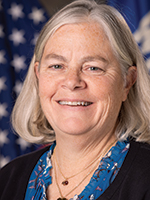
Rep. Tara Johnson
Sponsored bills
Maddy summaryAB 290 creates a special vehicle registration plate titled "Protect Pollinators" with a voluntary $25 annual or $50 biennial fee for vehicle owners who choose it. All fees collected beyond $23,700 (or production costs, whichever is less) are deposited into the conservation fund to support pollinator protection programs. The plate must display "Protect Pollinators" and cover the entire plate, as specified in the bill. This directly affects Wisconsin vehicle owners who select this plate option, directing funds toward conservation efforts.
Maddy summaryAB 524 raises the legal age for purchasing, selling, or possessing cigarettes, nicotine products, tobacco products, and electronic vaping devices from 18 to 21 years old. The bill prohibits retailers, vendors, and manufacturers from selling these products to anyone under 21, with limited exceptions for parental accompaniment or specific retail settings. It requires stores to display clear signage about the age restriction and mandates training for employees handling these products. The law applies directly to businesses selling tobacco, nicotine, or vaping products across the state, with penalties including fines for violations.
Maddy summaryAJR 110 is a symbolic resolution passed by the Wisconsin Legislature condemning Russia's actions in Ukraine, specifically targeting the abduction and forcible transfer of Ukrainian children to Russia. It declares these actions violate the Genocide Convention and constitute genocide, citing Russia's systematic efforts to separate children from families, facilitate forced adoptions, and re-educate them in occupied territories. The resolution formally holds the Russian government responsible for these acts, which it states aim to destroy Ukraine's cultural identity and future generations. As a joint resolution (not a law), it has no legal effect but serves as a formal statement of condemnation.
Maddy summaryAB 477 changes the age threshold for issuing a Missing Child Alert from under 10 years to under 12 years. It directly affects minors under 12 who are believed to be incapable of returning home without assistance due to a physical or mental condition, disability, or inability to navigate safely. The bill amends the statute to adjust the age requirement while maintaining the existing criteria for qualifying alerts. This is a technical adjustment to the alert system's eligibility rules, not a new program or policy. The change aims to expand the alert coverage to include older minors who may still require urgent assistance.
Maddy summaryAJR 109 is a symbolic joint resolution honoring Wisconsin's Hispanic and Latino veterans. It formally recognizes their service and sacrifices throughout U.S. military history, including specific references to the Borinqueneers unit and General Richard Cavazos. The resolution expresses the Wisconsin Legislature's gratitude through a formal statement, acknowledging these veterans' contributions without creating new programs or altering laws. This is a commemorative gesture, not a policy change, and directly affects no individuals or entities through legislative action.
Maddy summaryAB 357 proposes a grant program to provide funding for technical education equipment at community colleges and vocational programs. It would directly affect these educational institutions by enabling them to purchase new or updated equipment for training in fields like advanced manufacturing and IT. The bill establishes a competitive grant process administered by the state workforce agency, with funding allocated based on program needs and student enrollment. Currently in committee review after its introduction and public hearing, the bill has received a fiscal estimate but has not yet been enacted.
Maddy summaryAB 553 requires Wisconsin's Department of Natural Resources to install and maintain metal containers for hunters to dispose of deer carcasses at state-designated locations, with regular carcass removal. It increases annual funding by $500,000 for these disposal sites and $250,000 for hunter education about chronic wasting disease (CWD) and proper carcass disposal. The bill directly affects hunters who must use these disposal sites and the Department of Natural Resources, which implements the program. Funding applies to fiscal years 2025-26 and 2026-27 as specified in the appropriations schedule.
Maddy summaryAB 637 requires private postsecondary schools in the state to derive at least 20% of their annual revenue from non-federal sources in two out of their three most recent fiscal years to enroll state residents. This applies directly to private colleges and universities seeking to admit students who live in the state. The bill defines "annual revenue" and "federal funds" specifically and grants the state education department authority to create implementing rules. The requirement will take effect for the 2028-29 academic year.
Maddy summaryAJR 115 is a non-binding resolution recognizing October 26, 2025, and 2026, as Intersex Awareness Day in Wisconsin. It honors the 1996 first public demonstration by intersex people at a medical conference and acknowledges intersex individuals - those born with variations in physical sex characteristics - as part of Wisconsin's diverse community. The resolution highlights ongoing challenges like discrimination and unnecessary medical procedures on intersex children, while affirming the importance of bodily autonomy and dignity. This symbolic gesture does not create new laws but formally supports awareness and respect for intersex people.