

Maddy summaryAB 493 authorizes community solar programs where multiple households share power generated from a single solar facility. It requires municipalities to approve new community solar projects with a two-thirds vote of their governing body (unless zoning allows it automatically), limits facility size to 5 megawatts (or 20 megawatts on previously developed sites like parking lots), and ensures no single subscriber controls more than 40% of the facility’s output. This directly affects local governments (through zoning rules), solar developers ("subscriber organizations"), and residents who join these programs. The bill defines key terms like "community solar facility" and "subscriber" to standardize program rules and interconnection with utilities.
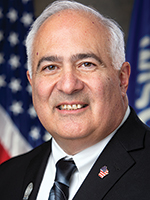
Rep. John Spiros
Sponsored bills
Maddy summaryAB 362 requires all public school districts and charter schools to create written cardiac emergency response plans for cardiac emergencies occurring on school property or at school-sponsored athletic events, starting in the 2026-27 school year. These plans must include core elements like designated response teams, clear AED placement and maintenance, annual drills, and staff training in CPR and AED use following American Heart Association guidelines. Schools must also ensure coaches at athletic events hold current CPR/AED certification and that AEDs are accessible at all athletic venues. The law directly affects all K-12 schools and their staff, aiming to improve immediate response to cardiac emergencies.
Maddy summaryAB 521 simplifies the process for sign owners to remove vegetation obstructing highway advertising signs. It defines a "viewing window" as a 500-foot zone along the highway where signs must remain visible, and creates a streamlined permit system for trimming or removing obstructing vegetation within this area. Existing sign owners with permits issued since 2012 can now maintain signs without new approvals (after notifying the department 15 days in advance), while new applicants must follow a 60-day permit review process. The bill also requires sign owners to remove stumps and dispose of all vegetation removed, and to compensate the department for trees (2+ inches in diameter) removed from designated "living snow fences."
Maddy summaryAJR 107 is a symbolic joint resolution designating November 2025 as "Veteran Mental Health and Suicide Awareness Month" in Wisconsin. It directly affects Wisconsin veterans by raising public awareness of their elevated mental health challenges and suicide rates, citing that 134 veterans died by suicide in Wisconsin in 2023 (15% of all adult suicides despite veterans comprising only 5% of the adult population). The resolution does not create new programs or funding but aims to highlight existing resources like the Wisconsin Veterans Crisis Line and honor veterans' service. It was introduced by multiple legislators and cosponsored by numerous senators, reflecting legislative recognition of veteran mental health as a priority.
Maddy summaryAB 477 changes the age threshold for issuing a Missing Child Alert from under 10 years to under 12 years. It directly affects minors under 12 who are believed to be incapable of returning home without assistance due to a physical or mental condition, disability, or inability to navigate safely. The bill amends the statute to adjust the age requirement while maintaining the existing criteria for qualifying alerts. This is a technical adjustment to the alert system's eligibility rules, not a new program or policy. The change aims to expand the alert coverage to include older minors who may still require urgent assistance.
Maddy summaryAB 210 amends Wisconsin's academic scholarship program by changing how high school seniors are selected for "academic excellence" higher education scholarships. It sets a minimum 3.800 grade point average for alternates when multiple seniors tie for top rank, requires schools with 80+ students to designate one top scholar annually, and adds rules for schools that close or merge (allowing prior scholars to retain eligibility). The bill directly affects public, private, and tribal high schools in Wisconsin with 80+ students and their graduating seniors who meet academic criteria. Key provisions clarify selection procedures, tie-breaking rules, and continuity for students at closing schools, without changing scholarship funding amounts.
Maddy summaryAB 439 modifies eligibility rules for a state grant program that funds improvements to agricultural roads. The bill adds a new requirement: a highway must have an engineering analysis by a licensed professional showing it cannot handle heavy agricultural traffic to qualify for the grant. This directly affects farmers and agricultural businesses that rely on these roads, as it expands the criteria beyond existing structural deficiencies or weight restrictions. The change aims to ensure roads serving farming operations receive targeted funding based on actual traffic capacity needs.
Maddy summaryAB 416 provides Domtar Paper Company, LLC, with a one-time $42 million grant to modernize a dam on the Wisconsin River near its Rothschild mill. The bill requires Domtar to begin the project by December 31, 2026, and repay the full grant if they miss this deadline, sell the Rothschild or Nekoosa mill before completion, or exceed two-thirds of the project cost from all funding sources. Domtar must also invest $100 million in north central Wisconsin manufacturing facilities by 2029 and source all roundwood/wood chips from Wisconsin producers during the project. Failure to meet these conditions triggers repayment of the grant amount.
Maddy summaryAB 347 addresses fees charged for specific coroner or medical examiner services, though the provided context does not specify the exact fee changes, affected services, or direct beneficiaries. The bill's title indicates it targets fiscal aspects of these services, but no details about its provisions, mechanisms, or policy changes are included in the available information. Recent actions show it advanced through committee amendments and was scheduled for a vote in November 2025, but it was later "laid on the table" without further progress. Without substantive content on the bill's provisions, a detailed summary of its policy impact cannot be provided. The context lacks sufficient detail to describe who it affects or how it would change current fee structures.
Maddy summaryAB 555 creates a new Class H felony charge for intentionally disarming correctional officers while they are on duty. It specifically targets individuals who take dangerous weapons, devices (as defined in §941.26), or official duty items like radios, keys, or other tools from correctional officers without consent. The law applies when these items are being carried by the officer or within their immediate presence. This bill directly affects correctional officers working in state facilities and establishes criminal penalties for interference with their safety equipment during official duties.