

Maddy summaryAB 532 updates Wisconsin's unemployment insurance benefit structure. It sets new maximum weekly benefit amounts: $370 for claims starting before January 4, 2026; $497 for claims starting January 4, 2026, through January 2, 2027; and establishes an annual inflation adjustment (using CPI data) for future years. The bill also raises the earnings threshold that reduces benefits from $500 to $672 for claims starting January 4, 2026, with future adjustments tied to inflation. These changes directly affect unemployed workers qualifying for state unemployment benefits by modifying benefit caps and the income level at which benefits decrease.
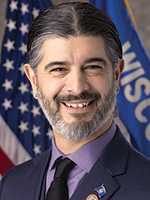
Rep. Vinnie Miresse
Sponsored bills
Maddy summaryAB 474 repeals two existing statutes (103.007 and 109.09(3)) that prevented local governments from creating their own employment regulations. This change would allow cities and counties to establish their own rules on issues like minimum wage, scheduling, or workplace safety, rather than being restricted by state law. The bill directly affects local governments and employers operating within municipalities that wish to implement stricter or different employment standards than the state currently permits. It is a procedural repeal with no new provisions or funding mechanisms.
Maddy summaryAB 467 modifies unemployment insurance requirements for claimants. It mandates that individuals seeking benefits must complete at least four documented work search activities weekly (with the department able to set higher standards via rules), unless they have a verified expectation of reemployment with their former employer. The bill also establishes a process for the department to waive work search requirements through rulemaking and requires employers to verify reemployment prospects for exemptions. This directly affects unemployed workers filing for state unemployment benefits in Wisconsin.
Maddy summaryAB 468 modifies unemployment insurance eligibility rules for workers terminated due to misconduct. It creates a new definition of "misconduct" that includes deliberate violations of workplace policies, excessive absenteeism without valid reasons, and willful violations of government regulations. The bill requires workers terminated for misconduct to wait 7 weeks and earn wages equal to 14 times their weekly benefit rate before requalifying for benefits. These changes directly affect workers who lose jobs for specific workplace conduct and employers who pay into unemployment insurance funds.
Maddy summaryAB 593 amends Wisconsin statutes to clarify and strengthen collective bargaining processes for University of Wisconsin System employees covered by union contracts. It requires pay increases to align with existing compensation plans or collective bargaining agreements, prohibits closed-session negotiations for finalizing agreements, and updates funding mechanisms for grievance arbitrations and training. The bill directly affects UW System employees in unionized positions and their bargaining representatives. Key provisions include revised rules for pay adjustments, transparency in negotiation procedures, and specific appropriations for dispute resolution services under existing labor laws.
Maddy summaryAB 10 creates a sales and use tax exemption for gun safes specifically designed to store firearms, excluding general gun storage items like locking cabinets or racks. This exemption applies to buyers purchasing qualifying safes, meaning they won’t pay state sales or use tax on these items. The bill amends tax statutes to explicitly list gun safes under exempt categories, ensuring retailers don’t need to collect tax for these purchases. It directly affects consumers and retailers selling purpose-built gun safes, with no impact on other firearm-related products or tax policies.
Maddy summaryAB 641 creates a dedicated $500,000 annual appropriation for the University of Wisconsin Missing-in-Action (MIA) Recovery and Identification Project within the 2025-27 fiscal biennium. The bill directly affects Wisconsin veterans missing in action by funding their recovery and identification efforts through the University of Wisconsin System. It requires the UW Board of Regents to allocate funds annually for this mission and mandates a detailed report on findings and spending to state legislative committees, the governor, and veterans agencies. The legislation establishes a continuing funding mechanism without altering existing veterans' benefits or services.
Maddy summaryAB 173 regulates pharmacy benefit managers (PBMs) by requiring them to disclose formulary details and drug costs to health plans and patients before enrollment. It prohibits PBMs or insurers from penalizing patients for choosing specific pharmacies within a network or charging different fees for the same pharmacy services. The bill also mandates advance written notice (at least 90 days) to patients when drugs are removed from formularies or moved to higher-cost tiers, including exception request procedures. These changes directly affect PBMs, health insurance plans, and patients covered by those plans, aiming to increase transparency and choice in prescription drug coverage.
Maddy summaryAJR 108 proposes adding a constitutional amendment to guarantee equality of rights under state law, prohibiting discrimination by state or local government based on characteristics like sex, gender identity, race, disability, religion, or other immutable traits. It would create a new right for individuals to directly sue the state or local government in court if their rights under this amendment are violated. This amendment, if approved, would establish a constitutional standard for equality and provide a legal path for people to seek remedies when state actors deny them equal treatment.
Maddy summaryAB 437 requires large retailers (those with over $3 million in annual consumer goods sales) to include the total tariff cost on every sales invoice or receipt. This means customers will see the exact amount of tariffs or import taxes added to their purchase price at checkout. The law applies to both paper and electronic documents and affects only businesses meeting the sales threshold. It mandates clear disclosure without changing current tariff rates or policies.