

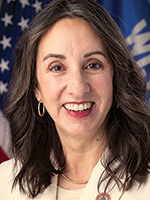
Photo of Lee Snodgrass
D Wisconsin House · District 52 On the 2026 ballot

Rep. Lee Snodgrass

Compare
Total votes
579
all sessions
Attendance
100%
2 missed
Near the chamber average
With party
97%
of cast votes
Lower than 79% of chamber peers
Bipartisan score
1%
crosses aisle rarely
Higher than 77% of chamber peers
Sponsored
843
bills & resolutions
Near the chamber average
Committees
4
assignments
843 bills and resolutions

Sponsored bills

Total
843
Primary
843
Co-sponsor
0
This page
843
matching current filters
Primary AB 1018
Failed · Wisconsin House · Lead sponsor
Relating to: income eligibility for Wisconsin Shares child care subsidy and making an appropriation. (FE)

Maddy summaryThis bill expands eligibility for Wisconsin's child care subsidy program (Wisconsin Shares) by allowing families with incomes above 200% of the federal poverty line but below 100% of the state median income to continue receiving subsidies. It creates a new eligibility pathway (20.437 (2) (ct)) to cover families previously disqualified due to income thresholds and adjusts copayment rules for those exceeding income limits. The policy directly affects low-income working families who lost subsidies due to modest income increases but remain below the new 100% state median income cutoff. A $1.25 million appropriation for fiscal year 2026-27 funds this expansion.

Failed Mar 23, 2026 0 co-sponsors
Primary AB 1016
Failed · Wisconsin House · Lead sponsor
Relating to: funding for child care provider workforce training and making an appropriation. (FE)

Maddy summaryAB 1016 allocates $2,166,600 annually for two fiscal years (2025-26 and 2026-27) to fund workforce training for child care providers and prospective providers. The bill creates a new funding line (20.437(2)(d)) under the Department of Children and Families, directing these funds toward contracts focused specifically on training child care staff. It directly affects licensed child care providers and those seeking to enter the field by providing financial support for their professional development. The bill establishes a dedicated funding stream but does not change eligibility rules or create new regulatory requirements.

Failed Mar 23, 2026 0 co-sponsors
Primary AB 1017
Failed · Wisconsin House · Lead sponsor
Relating to: child care subsidies for custodial parents who are child care employees and making an appropriation. (FE)

Maddy summaryAB 1017 creates a new child care subsidy program specifically for custodial parents who work as employees in child care facilities. It allows these parents to qualify for subsidies under revised eligibility rules, bypassing standard income and asset requirements that typically apply to other subsidy recipients. The bill appropriates $1.2 million in fiscal year 2025-26 for administrative costs related to this new program. This directly affects parents employed by child care providers who have primary custody of children under 13 (or 19 if disabled) and meet the new eligibility criteria.

Failed Mar 23, 2026 0 co-sponsors
Primary AJR 136
Failed · Wisconsin House · Lead sponsor
Relating to: the right to privacy (first consideration).

Maddy summaryAJR 136 is a proposed constitutional amendment that would add a new Section 1m to Article I of the state constitution, stating: "As a necessary part of a free society, the people have an individual and fundamental right to privacy." This resolution, introduced by multiple assembly members and senators, would establish this privacy right as a fundamental constitutional protection for all residents. The bill requires voter approval at the next general election, as it must be referred to voters following a three-month publication period. It does not create immediate legal requirements but proposes a foundational constitutional change.

Failed Mar 23, 2026 0 co-sponsors
Primary AB 1030
Failed · Wisconsin House · Lead sponsor
Relating to: increasing the earned income tax credit for families with fewer than three children. (FE)

Maddy summaryAB 1030 increases the state earned income tax credit for low-income working families with fewer than three children. Starting in 2026, eligible individuals will receive a credit equal to 34% of the federal earned income credit (if they have children) or 15% (if they have no children), up from previous rates. This policy directly benefits qualifying working adults and families who earn below certain income thresholds. The change applies to tax returns filed for years beginning after December 31, 2025.

Failed Mar 23, 2026 0 co-sponsors
Primary AB 1007
Failed · Wisconsin House · Lead sponsor
Relating to: administration of the veterans at risk alert system.

Maddy summaryAB 1007 amends the definition of "veteran at risk" in Wisconsin law to explicitly include active-duty members of the U.S. armed forces, National Guard, or military reserves who have service-related physical or mental health conditions. The bill clarifies that a person qualifies as "at risk" based on information provided in a report about such conditions. This change directly affects military service members and veterans who may be identified through the existing veterans at risk alert system. The amendment refines the eligibility criteria for the system without creating new programs or funding.

Failed Mar 23, 2026 0 co-sponsors
Primary AB 1031
Failed · Wisconsin House · Lead sponsor
Relating to: sales and use tax exemption for menstrual discharge collection devices. (FE)

Maddy summaryAB 1031 exempts menstrual discharge collection devices from sales tax. The bill defines these products to include tampons, pads, menstrual cups, period underwear, and other similar items designed for menstrual cycle use (such as period swimwear or sleep shorts), while explicitly excluding regular grooming products like soap or toothpaste. It adds these items to the list of tax-exempt goods under state law, meaning retailers won’t charge sales tax on them. This change directly affects consumers who purchase these products, making them more affordable by removing the tax burden.

Failed Mar 23, 2026 0 co-sponsors
Primary AJR 141
Failed · Wisconsin House · Lead sponsor
Relating to: Commemorating the 250th anniversary of one of the first major victories for the Patriots in the Revolutionary War and recognizing the contributions of Irish Americans in the struggle for independence.

Maddy summaryThis joint resolution commemorates the 250th anniversary of the 1776 Boston siege victory (where British forces withdrew on Saint Patrick's Day) and recognizes Irish Americans' contributions to the Revolutionary War. It specifically highlights figures like General John Sullivan (son of Irish immigrants), eight Irish American Declaration of Independence signatories, and historical connections such as John Dunlap’s printing of the Declaration. The resolution directs the legislature to formally acknowledge these events and send copies to Irish officials, including Senator Mark Daly and the American Irish State Legislators Caucus. As a commemorative resolution, it has no legal effect or direct impact on policy or constituents.

Failed Mar 23, 2026 0 co-sponsors
Primary AB 1015
Failed · Wisconsin House · Lead sponsor
Relating to: Wisconsin Shares copayment amounts and making an appropriation. (FE)

Maddy summaryAB 1015 adjusts Wisconsin Shares child care assistance copayment rules and increases funding. It limits copayments to no more than 7% of a family’s gross income (49.155 (5) (ag)) and waives copayments entirely for families earning below 150% of the federal poverty line (49.155 (5) (ar)). The bill also increases annual funding for child care subsidies by $22.93 million for fiscal years 2025-26 and 2026-27. These changes directly affect low-income families using Wisconsin Shares child care assistance.

Failed Mar 23, 2026 0 co-sponsors
Primary AB 1040
Failed · Wisconsin House · Lead sponsor
Relating to: maintaining a supply of usable opioid antagonist at a public or private school and making an appropriation. (FE)

Maddy summaryAB 1040 requires all public and private school boards, including charter schools, to maintain an easily accessible on-site supply of opioid antagonists (medication used to reverse opioid overdoses) at every school they oversee. It creates a grant program funded by a $100,000 appropriation increase for fiscal year 2026-27, allowing schools to purchase these antidotes to comply with the new requirement. The law takes effect on September 1, 2026, directly affecting school administrators and staff responsible for implementing this safety measure. This bill focuses on making life-saving medication readily available in schools without specifying outcomes or advocating for policy positions.

Failed Mar 23, 2026 0 co-sponsors
Showing 51 to 60 of 843 bills
Previous 1 5 6 7 85 Next