

Maddy summaryAB 173 regulates pharmacy benefit managers (PBMs) by requiring them to disclose formulary details and drug costs to health plans and patients before enrollment. It prohibits PBMs or insurers from penalizing patients for choosing specific pharmacies within a network or charging different fees for the same pharmacy services. The bill also mandates advance written notice (at least 90 days) to patients when drugs are removed from formularies or moved to higher-cost tiers, including exception request procedures. These changes directly affect PBMs, health insurance plans, and patients covered by those plans, aiming to increase transparency and choice in prescription drug coverage.
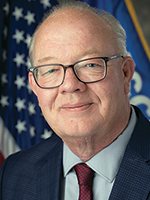
Rep. Todd Novak
Sponsored bills
Maddy summaryAB 208 creates tax exemptions for income and franchise taxes related to broadband expansion funding. It directly affects internet service providers, telecom companies, and community organizations receiving grants or federal high-cost program funds for building broadband infrastructure in the state. The bill exempts from taxation: (1) state/local/tribal/federal grants for broadband expansion, and (2) federal high-cost program funding under 47 USC 254. These exemptions apply to taxable years beginning after December 31, 2024, and prevent double-counting with other existing tax provisions.
Maddy summaryAB 414 helps sexual assault victims by creating legal protection for people who assist them (like friends or advocates) from being prosecuted for minor crimes committed while helping. It also extends the time limit for prosecuting second-degree sexual assault cases, giving victims more time to report crimes. Additionally, the bill changes rules for evictions, making it harder for landlords to remove tenants who are sexual assault victims from rental housing. These changes directly affect sexual assault victims, those who support them, and landlords in residential housing situations.
Maddy summaryAB 505 creates a state program to help veterinarians in rural counties repay student loans. It provides grants covering up to $100,000 over four years (max $25,000 annually) for vets working full-time in rural areas who provide at least 25% of their care to farm animals. The grants are specifically for repaying debts from veterinary school and are exempt from state income tax. This directly affects veterinarians in qualifying rural counties who meet the employment and farm animal care requirements. The program begins for 2025 veterinary graduates.
Maddy summaryThis bill prohibits serving margarine as a butter substitute in public restaurants unless specifically requested by the customer. It also bans using margarine instead of butter for students in schools unless ordered by the student or their parent/guardian, with limited health exceptions requiring a healthcare provider's direction. State institutions (like hospitals or prisons) can only substitute margarine for butter with superintendent approval for specific health reasons. The law aims to ensure butter substitutions are intentional and health-appropriate in these settings.
Maddy summaryThis bill changes Wisconsin's retirement system rules for state retirees who return to work. It allows retirees who rejoin state employment (after a 75-day separation) to choose whether to keep their retirement annuity for up to 60 months, instead of having it automatically suspended. If they elect to keep the annuity, their new employer must pay equivalent retirement contributions to the system. The policy directly affects state retirees returning to jobs where they work at least two-thirds full-time, while ensuring retirement fund contributions remain intact.
Maddy summaryAB 419 creates a sales and use tax exemption for ski lifts and related equipment used exclusively to operate them. The bill exempts the purchase price of ski lifts, machines, equipment, accessories, and parts specifically for ski lift operations from state sales and use taxes. This directly affects ski resort operators and businesses that buy or maintain ski lift infrastructure. The exemption applies to the equipment itself, not the lift services or user fees, and takes effect three months after publication. The bill is procedural, focusing solely on modifying tax law to remove this tax burden for qualifying equipment.
Maddy summaryAB 315 modifies grant rules for Wisconsin's Warren Knowles-Gaylord Nelson stewardship program and land conservation efforts. It creates new provisions requiring governmental units and nonprofits to apply for funding *before* purchasing land to qualify for up to 50% of acquisition costs (reduced to 40% if applying after purchase). The bill maintains a 30% cap on additional costs covered by grants or in-kind contributions. These changes directly affect local governments and conservation groups seeking state funds to acquire land for parks, recreation, or conservation. The bill does not create new funding but adjusts eligibility and percentage limits for existing programs.
Maddy summaryAB 439 modifies eligibility rules for a state grant program that funds improvements to agricultural roads. The bill adds a new requirement: a highway must have an engineering analysis by a licensed professional showing it cannot handle heavy agricultural traffic to qualify for the grant. This directly affects farmers and agricultural businesses that rely on these roads, as it expands the criteria beyond existing structural deficiencies or weight restrictions. The change aims to ensure roads serving farming operations receive targeted funding based on actual traffic capacity needs.
Maddy summaryAB 606 regulates hemp-derived cannabinoid products by creating an occupational tax on businesses selling these products, alcohol warehouses, and production facilities. It renames the state's "Division of Alcohol Beverages" to the "Division of Intoxicating Products" and grants this new division rule-making authority to enforce regulations. The bill also establishes penalties for violations of the new rules. This directly affects hemp product businesses, alcohol warehouse operators, and the state agency responsible for oversight.