

Maddy summaryAB 105 requires business entities (like websites or platforms) distributing material harmful to minors to verify users' ages using approved methods before granting access. It applies specifically to sites containing a "substantial portion" (over one-third) of such material, defined as content with sexual depictions, prurient appeal, or lacking literary/artistic value for minors. The bill exempts bona fide news organizations and internet service providers from these requirements. Violations could result in civil lawsuits seeking damages, while the bill also bans publishing obscene material involving children or obscene content online.
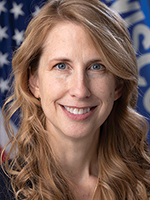
Rep. Joy Goeben
Sponsored bills
Maddy summaryAB 415 restricts state and local government employees from using electronic devices owned by their agencies to access social media, apps, or AI tools owned by entities located in "foreign countries of concern" (as defined by federal regulations). The bill directly affects government employees and contractors who use official devices for non-law enforcement work, banning access to specific foreign-owned technology. Exceptions allow written waivers from the secretary of administration for limited job-related purposes. This policy change aims to limit government use of technology linked to designated foreign adversaries, with no impact on law enforcement activities. The bill does not create new funding or require agency budget changes.
Maddy summaryAB 663 prohibits University of Wisconsin System institutions from accepting foreign grants, entering academic partnerships, or engaging in research collaborations with entities from countries designated as security threats (like China or Russia) without board approval. Exceptions require security reviews, approval that benefits students, and confirmation the partnership won’t compromise U.S. security or academic freedom. The bill also bans accepting gifts or cultural exchange payments from such entities. Institutions must submit annual reports detailing all foreign partnerships to state officials.
Maddy summaryAB 211 creates a new exemption in Wisconsin law allowing "tobacco bars" to operate without adhering to the state's public smoking ban. To qualify, these establishments must have opened after June 4, 2009, allow only cigar and pipe smoking (not cigarettes), not be classified as food establishments, display clear signage about smoking, prohibit minors under 21 from entering, require employee acknowledgment of secondhand smoke exposure, and demonstrate adequate air filtration in licensing applications. The bill directly affects tobacco bars meeting these specific criteria, enabling them to operate with smoking permitted while imposing strict operational requirements. It does not change the general public smoking ban but establishes a defined exception for this narrow category of businesses.
Maddy summaryAB 308 prohibits Wisconsin state and local government funds from being used to pay for health services for individuals without legal immigration status. The bill directly affects undocumented residents by blocking state/local funding for their healthcare. Key provisions ban state/local funds for such services (except where federal law requires payment or where applying the ban would cause loss of federal funds). The law does not restrict federal healthcare programs or funding. This is a policy change affecting state budget allocations, not a procedural measure.
Maddy summaryAB 518 allows private schools participating in state parental choice programs (like voucher systems) to hire substitute teachers who hold a state-issued substitute teaching permit. Currently, these schools must employ teachers with full teaching licenses or bachelor's degrees. The bill creates a specific exception to that requirement for substitute permit holders at eligible schools. This directly affects private schools in choice programs and substitute teachers seeking positions in those settings.
Maddy summaryAB 602 requires the state department to annually submit a list of qualifying scholarship granting organizations (SGOs) to the U.S. Treasury and certify the state's authority to participate in the federal tax credit program for donations to these organizations. It mandates that the governor must decide by July 1, 2026, whether to join this federal program, which would allow residents to claim tax credits for contributions to SGOs starting in 2027. The bill directly affects state administrative processes, scholarship organizations, and donors who may qualify for federal tax benefits. It does not create new tax credits but establishes the state's procedural framework for eligibility under existing federal law (26 USC 25F).
Maddy summaryAB 674 prohibits health insurance plans and the Medical Assistance program from covering organ transplants or related care if the organ was transplanted in or originated from a country designated by the department as participating in forced organ harvesting. The bill applies to disability insurance, self-insured health plans, and Medical Assistance. It defines "forced organ harvesting" as removal via coercion, deception, or abuse of power, and requires the department to designate affected countries. Life-saving post-transplant care remains covered even if the transplant itself is prohibited under the bill.
Maddy summaryAB 614 clarifies teachers' authority to manage classrooms and addresses student behavior incidents. It defines key terms like "disruptive behavior" and "violent incident," requiring teachers to immediately notify school principals when removing a student for safety concerns or classroom disruptions. The bill mandates that students can only return to a classroom after removal if a behavior intervention plan is in place for serious incidents, and it prohibits school districts from retaliating against teachers who enforce classroom rules or report disruptive behavior. This directly affects teachers (by protecting their actions), students (through new placement rules), and school administrators (by requiring specific procedures for student removals). The bill passed the Assembly on November 19, 2025, with 54 votes in favor.
Maddy summaryAB 248 creates a new statutory section (17.03(10m)) clarifying how vacancies are handled in appointive state offices with fixed terms. It defines "appointive state office" to include positions in state departments, agencies, boards, commissions, and authorities (but excludes the legislature and courts). The bill specifies that when an appointee's fixed term expires, the vacancy is filled under existing procedures - without changing current rules. This is a procedural clarification, not a policy change, affecting state government appointees but not altering how vacancies are currently managed.