

Maddy summaryThis Wisconsin bill modifies the state's unemployment insurance law to improve how the department handles job search verification and fraud prevention. It allows employers to report when a job seeker declines offers, fails to attend interviews, or cannot perform available work, requiring the department to investigate these reports to determine eligibility. The legislation also establishes a legal presumption that anyone using a claimant's security credentials is acting on their behalf, while making the claimant responsible for protecting their login information and liable for benefits paid to unauthorized users. Additionally, the bill mandates that the department submit an annual report to the legislature detailing its efforts to detect and prosecute unemployment insurance fraud.
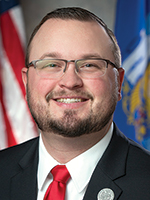
Rep. Alex Dallman
Sponsored bills
Maddy summaryThis Wisconsin bill proposes to lower individual income tax rates for residents in the third tax bracket while simultaneously expanding the retirement income subtraction available to retirees. The legislation would allow more retirees to exclude a larger portion of their pension and retirement account withdrawals from state taxable income, with specific provisions added for those who are permanently and totally disabled. Although the bill passed the legislature, it was vetoed by the Governor and ultimately failed to become law.
Maddy summaryAB 957 was a Wisconsin bill that sought to prevent local governments from passing stricter animal welfare rules on farms located in agricultural zones. The legislation would have barred cities and counties from setting their own standards for animal care, controlling medications, or limiting which species could be raised, provided these activities did not pose a threat to public health or safety. Although the bill passed the legislature, it was vetoed by the Governor and ultimately failed to become law.
Maddy summaryAssembly Bill 150 updates Wisconsin's unemployment insurance law to rename the program "reemployment assistance" and establishes a new division within the Department of Workforce Development to manage it. The bill tightens eligibility rules by requiring job seekers to make at least two direct contacts with employers each week after their first week of benefits and mandates that they post current resumes on the state's job center website. Additionally, the legislation requires claimants nearing the end of their benefits to attend reemployment counseling and ensures they are offered at least four specific job opportunities weekly, including those with temporary staffing agencies. The bill also mandates that the department immediately create rules for drug testing applicants in occupations where such testing is standard and requires the state to continue participating in federal reemployment grants.