

Maddy summaryAB 505 creates a state program to help veterinarians in rural counties repay student loans. It provides grants covering up to $100,000 over four years (max $25,000 annually) for vets working full-time in rural areas who provide at least 25% of their care to farm animals. The grants are specifically for repaying debts from veterinary school and are exempt from state income tax. This directly affects veterinarians in qualifying rural counties who meet the employment and farm animal care requirements. The program begins for 2025 veterinary graduates.
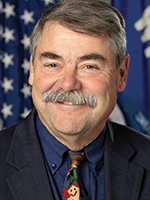
Rep. Joe Sheehan
Sponsored bills
Maddy summaryAJR 110 is a symbolic resolution passed by the Wisconsin Legislature condemning Russia's actions in Ukraine, specifically targeting the abduction and forcible transfer of Ukrainian children to Russia. It declares these actions violate the Genocide Convention and constitute genocide, citing Russia's systematic efforts to separate children from families, facilitate forced adoptions, and re-educate them in occupied territories. The resolution formally holds the Russian government responsible for these acts, which it states aim to destroy Ukraine's cultural identity and future generations. As a joint resolution (not a law), it has no legal effect but serves as a formal statement of condemnation.
Maddy summaryAB 436 requires animal testing facilities and breeders to offer dogs and cats for adoption to shelters or rescue groups before euthanizing them, if the animals don't pose health/safety risks. Facilities must provide a 3-week window for adoption offers and submit annual reports tracking adoption numbers, animals used in testing, and shelter partners. This directly affects animal testing facilities (including research labs) and breeders who sell animals to such facilities. Violations carry a $5,000 penalty per animal, with no state liability for compliance actions.
Maddy summaryAB 477 changes the age threshold for issuing a Missing Child Alert from under 10 years to under 12 years. It directly affects minors under 12 who are believed to be incapable of returning home without assistance due to a physical or mental condition, disability, or inability to navigate safely. The bill amends the statute to adjust the age requirement while maintaining the existing criteria for qualifying alerts. This is a technical adjustment to the alert system's eligibility rules, not a new program or policy. The change aims to expand the alert coverage to include older minors who may still require urgent assistance.
Maddy summaryAB 367 exempts minor league baseball players covered by a collective bargaining agreement (CBA) from standard labor laws requiring minimum wage, overtime pay, and detailed recordkeeping. Specifically, it creates new exemptions in state labor statutes for players whose CBAs explicitly define their wages and working conditions. Employers are no longer required to track these players' hours or maintain standard payroll records. The bill applies only to players under such CBAs, not to all minor league athletes. This is a procedural change to labor law exemptions, not a new pay standard.
Maddy summaryAB 357 proposes a grant program to provide funding for technical education equipment at community colleges and vocational programs. It would directly affect these educational institutions by enabling them to purchase new or updated equipment for training in fields like advanced manufacturing and IT. The bill establishes a competitive grant process administered by the state workforce agency, with funding allocated based on program needs and student enrollment. Currently in committee review after its introduction and public hearing, the bill has received a fiscal estimate but has not yet been enacted.
Maddy summaryAB 637 requires private postsecondary schools in the state to derive at least 20% of their annual revenue from non-federal sources in two out of their three most recent fiscal years to enroll state residents. This applies directly to private colleges and universities seeking to admit students who live in the state. The bill defines "annual revenue" and "federal funds" specifically and grants the state education department authority to create implementing rules. The requirement will take effect for the 2028-29 academic year.
Maddy summaryAB 638 requires private postsecondary schools seeking state approval (or renewal) to maintain a reserve fund equal to 25% of their highest annual revenue over the past five years (or projected first-year revenue for new schools). This fund protects students if schools commit fraud, fail to deliver promised education services, or close unexpectedly. Schools must also pay a $3 student protection fee for every $1,000 of their annual revenue, with fee collection stopping once the fund exceeds $5 million. The bill directly affects private colleges operating in the state, creating a financial safety net for students through mandatory reserves and a fee-based fund.
Maddy summaryAB 626 allows drivers and ID card holders to obtain electronic copies of their licenses and identification cards from the state department. It permits displaying these electronic copies on phones or devices during traffic stops, while ensuring officers cannot view other phone content. The bill adds a $10 fee for electronic copies (separate from standard card fees) and clarifies that physical copies remain subject to different fee rules. This directly affects drivers who choose electronic formats and the state department managing license issuance.
Maddy summaryAB 642 allows students to sue private postsecondary schools that violate enrollment rules or provide false/misleading information about their programs. Students who paid fees to such schools can recover those fees plus costs and reasonable attorney fees through civil court. The bill directly affects students enrolled in private schools that engage in deceptive practices, creating a clear legal remedy for financial harm. It amends Wisconsin Statute 440.52(10)(f) to establish this specific civil action as an additional remedy. The law applies to violations occurring on or after its effective date.