

Maddy summaryAB 641 creates a dedicated $500,000 annual appropriation for the University of Wisconsin Missing-in-Action (MIA) Recovery and Identification Project within the 2025-27 fiscal biennium. The bill directly affects Wisconsin veterans missing in action by funding their recovery and identification efforts through the University of Wisconsin System. It requires the UW Board of Regents to allocate funds annually for this mission and mandates a detailed report on findings and spending to state legislative committees, the governor, and veterans agencies. The legislation establishes a continuing funding mechanism without altering existing veterans' benefits or services.
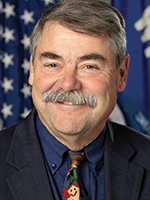
Rep. Joe Sheehan
Sponsored bills
Maddy summaryAB 417 creates a process for testing criminal defendants for certain communicable diseases (like HIV or sexually transmitted infections) without their consent in specific cases. It applies when defendants are charged with crimes involving bodily fluids (such as blood, semen, or saliva) that could transmit disease to victims, public safety workers, prosecutors, or correctional staff. The district attorney must seek a court order for testing, but can request an emergency order without a hearing if delaying testing risks immediate harm to those workers. Test results cannot reveal the defendant's identity, cannot be used in court, and cannot be added to the defendant's permanent medical records.
Maddy summaryAJR 108 proposes adding a constitutional amendment to guarantee equality of rights under state law, prohibiting discrimination by state or local government based on characteristics like sex, gender identity, race, disability, religion, or other immutable traits. It would create a new right for individuals to directly sue the state or local government in court if their rights under this amendment are violated. This amendment, if approved, would establish a constitutional standard for equality and provide a legal path for people to seek remedies when state actors deny them equal treatment.
Maddy summaryAB 437 requires large retailers (those with over $3 million in annual consumer goods sales) to include the total tariff cost on every sales invoice or receipt. This means customers will see the exact amount of tariffs or import taxes added to their purchase price at checkout. The law applies to both paper and electronic documents and affects only businesses meeting the sales threshold. It mandates clear disclosure without changing current tariff rates or policies.
Maddy summaryAB 64 creates a state income tax subtraction for eligible K-12 teachers who pay out-of-pocket for classroom supplies and materials. It allows teachers to subtract up to $300 annually from their taxable income for expenses covered under federal tax code (26 USC 62(a)(2)(D)), using the federal definition of "eligible educator." This provision directly affects teachers who incur these costs, reducing their state tax burden without requiring them to itemize deductions. The bill mirrors a federal tax break but applies specifically to Wisconsin's income tax system. The law would take effect for tax years beginning after December 31, 2024.
Maddy summaryThis bill (AJR 113) proposes that Wisconsin officially recognize the second Monday in October as "Indigenous Peoples Day" each year. It does not create new laws or programs but formally acknowledges the historical and ongoing presence of Wisconsin's 11 federally recognized tribes and their contributions to the state. The resolution aims to promote appreciation, reconciliation, and partnership with Indigenous communities through this annual observance. As a symbolic gesture, it directly affects all Wisconsinites by encouraging reflection on Indigenous history and contributions.
Maddy summaryAB 636 requires private postsecondary schools (proprietary schools) in Wisconsin to include veteran enrollment data in their existing quarterly reports to the state department. These schools must report how many veterans are enrolled, alongside other details like total enrollment, graduates, and employment rates. The bill amends current reporting rules to specifically add veteran enrollment as a required data point, without creating new funding or penalties. This affects all private colleges operating in Wisconsin that are subject to state approval and reporting requirements.
Maddy summaryAB 498 provides $1 million in biennial funding to help licensed child care centers purchase and maintain automated external defibrillators (AEDs). The bill creates a grant program administered by the Department of Children and Families, allowing centers to apply for funding to cover AED costs. To qualify, centers must contribute at least 33% of the grant amount in matching funds. This policy directly affects licensed child care centers by making AEDs more accessible for emergency cardiac care.
Maddy summaryAB 620 requires teachers and administrators in Wisconsin's parental choice programs and Special Needs Scholarship Program to hold state teaching licenses starting July 1, 2027. Schools may employ educators with at least five years of prior experience (as of July 1, 2027) under a temporary, nonrenewable waiver until July 1, 2032. The law creates a process for these educators to apply for waivers while working toward full licensure, with the state department developing implementing rules. It applies specifically to private schools participating in these state-funded education choice programs.
Maddy summaryAB 290 creates a special vehicle registration plate titled "Protect Pollinators" with a voluntary $25 annual or $50 biennial fee for vehicle owners who choose it. All fees collected beyond $23,700 (or production costs, whichever is less) are deposited into the conservation fund to support pollinator protection programs. The plate must display "Protect Pollinators" and cover the entire plate, as specified in the bill. This directly affects Wisconsin vehicle owners who select this plate option, directing funds toward conservation efforts.