

Maddy summaryAB 690 prohibits local governments (like cities and counties) from granting preferential treatment or discriminating based on race, color, ancestry, national origin, or sexual orientation in hiring employees or awarding public works contracts. The bill amends statutes to state that political subdivisions may not use these protected characteristics in employment decisions or contracting, unless required to secure federal aid. This directly affects how local governments manage their workforce and public construction projects. The law would require neutrality in these hiring and contracting processes, with no exceptions beyond federal requirements.
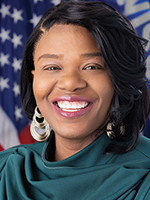
Rep. Sequanna Taylor
Sponsored bills
Maddy summaryAB 462 requires construction contractors to register with the state and comply with worker classification laws, directly affecting employers in the construction industry. It creates a whistleblower program offering 15-30% of penalties collected (up to 10% for media-sourced tips) to employees who report misclassification or tax violations, while prohibiting retaliation against reporting workers. The bill also mandates multilingual outreach to educate employers and workers about misclassification rights and anonymous reporting options. These provisions aim to increase compliance with worker classification and tax laws in the construction sector.
Maddy summaryAB 578 ensures Wisconsin continues providing WIC (Women, Infants, and Children) food benefits during federal government shutdowns. It requires the state to fund these benefits at pre-shutdown levels until federal funding is restored under federal law. The bill directly affects WIC participants - mothers, infants, and young children - who rely on these nutrition services. It creates a state funding mechanism to prevent benefit disruptions during federal funding lapses, such as the October 2025 shutdown referenced in the bill. The policy change takes effect immediately but includes a repeal provision for October 2026.
Maddy summaryThis symbolic resolution designates May 2025 and May 2026 as Mental Health Awareness Months in Wisconsin. It recognizes the importance of mental well-being and aims to raise public awareness about mental health challenges across all age groups and communities. The resolution does not create new policies or funding but serves as a formal acknowledgment by the legislature to support ongoing efforts addressing mental health needs.
Maddy summaryAJR 18 is a joint resolution from the Wisconsin Legislature that honors the life and public service of the late Representative Jonathan Brostoff. The resolution extends condolences to his family and friends, recognizing his dedication as a public servant and community advocate.
Maddy summaryAssembly Resolution 3 observes February 28, 2025, as Rare Disease Day in Wisconsin. This resolution acknowledges the impact of rare diseases on approximately 25 to 30 million Americans, including Wisconsin residents, and supports nationwide efforts to raise awareness for these conditions.
Maddy summaryAJR 5 is a symbolic joint resolution directing the Governor of Wisconsin to proclaim February 2025 as Black History Month. It does not create new laws or affect any individuals or programs; it is a ceremonial recognition of the significance of Black History Month. The resolution cites historical context and highlights contributions of Wisconsin residents of African descent, but its sole effect is to formally request the Governor issue the proclamation. This is a procedural resolution with no policy impact beyond the symbolic recognition.