

Issue · Technology
Technology
Every technology bill, vote, and legislator stance in Wisconsin, automatically classified by Maddy, our AI policy reader.
Total bills
126
2025-2026 Regular Session
Top supporter
Rob Swearingen
83% support rate
Top opponent
Jodi Habush Sinykin
17% support rate
Ranked legislators
10
5 support · 5 oppose
Key legislators
Who's moving technology in Wisconsin
| Legislator | Party | Stance | Support rate | Votes |
|---|---|---|---|---|
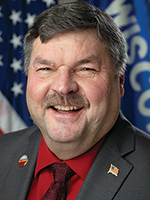
Rob Swearingen
House · District 34
|
R |
Strong +
|
83% | 65 |

Shannon Zimmerman
House · District 30
|
R |
Strong +
|
82% | 54 |

Dave Maxey
House · District 83
|
R |
Strong +
|
82% | 63 |

Will Penterman
House · District 38
|
R |
Strong +
|
82% | 61 |

Scott Allen
House · District 82
|
R |
Strong +
|
82% | 59 |

Jodi Habush Sinykin
Senate · District 8
|
D |
Strong −
|
17% | 42 |
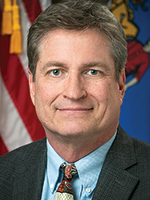
Tim Carpenter
Senate · District 3
|
D |
Strong −
|
17% | 42 |

Kelda Roys
Senate · District 26
|
D |
Strong −
|
17% | 40 |
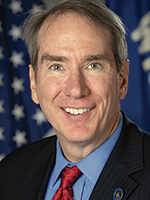
Jamie Wall
Senate · District 30
|
D |
Strong −
|
17% | 42 |

Chris Larson
Senate · District 7
|
D |
Strong −
|
17% | 42 |
Showing 121–126 of 126
bills
All technology bills
SB 241: Relating to: tax incremental financing districts containing qualified data centers. (FE)
Topics
✗ Budget & TaxesOpposes Budget & TaxesCreates tax exemption for data center TIF districts, granting targeted tax break to corporate developers rather than broad fiscal responsibility or public funding.
✓ TechnologySupports TechnologyExempts data center TIF districts from cost limits, providing tax incentives to promote data center development and infrastructure growth.
Sub-Topics
Tax Incentives
SB 325: Relating to: a virtual reality technology pilot program for school districts. (FE)
Topics
✓ EducationSupports EducationEstablishes VR pilot program to enhance math/science curriculum and improve Algebra 1 outcomes, aligning with state academic standards per bill's requirements.
✓ TechnologySupports TechnologyEstablishes VR pilot program in schools to test tech's effectiveness in math/science education, directly advancing technology adoption in public education.
AB 497: Relating to: application of the public records and open meetings laws to charter schools and private schools participating in school choice programs.
Tags
Government Transparency
SB 490: Relating to: prevailing wage, granting rule-making authority, and providing a penalty. (FE)
Topics
✗ Labor & EmploymentOpposes Labor & EmploymentPrevents local governments from imposing stricter wage requirements than state standard, weakening local labor protections under prevailing wage rules.
✓ TechnologySupports TechnologyBill adds privacy protections (Section 1) prohibiting sharing employee PII without consent on public projects, aligning with data privacy indicators under technology policies.
Sub-Topics
Labor Standards
AB 576: Relating to: limiting the use of automatic registration plate readers, requiring a search warrant for data from an automatic registration plate reader or security camera, and providing a penalty.
Topics
✓ Criminal JusticeSupports Criminal JusticeRequires warrants for ALPR data access, limits retention, and imposes fines - enhancing privacy protections and police accountability in law enforcement data use.
✓ TechnologySupports TechnologyRestricts ALPR surveillance with warrant requirements and data limits, enhancing data privacy protections under technology policy.
Sub-Topics
Law Enforcement