

Issue · Housing
Housing
Every housing bill, vote, and legislator stance in Wisconsin, automatically classified by Maddy, our AI policy reader.
Total bills
115
2025-2026 Regular Session
Top supporter
Rob Kreibich
100% support rate
Top opponent
Renuka Mayadev
0% support rate
Ranked legislators
10
5 support · 5 oppose
Key legislators
Who's moving housing in Wisconsin
| Legislator | Party | Stance | Support rate | Votes |
|---|---|---|---|---|
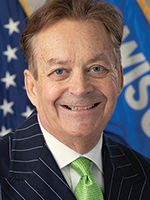
Rob Kreibich
House · District 28
|
R |
Strong +
|
100% | 38 |
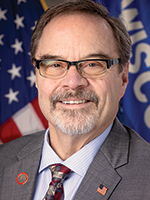
Paul Tittl
House · District 25
|
R |
Strong +
|
100% | 31 |
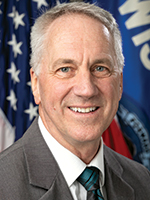
Dan Knodl
House · District 24
|
R |
Strong +
|
100% | 38 |
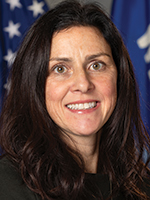
Lindee Brill
House · District 27
|
R |
Strong +
|
100% | 38 |
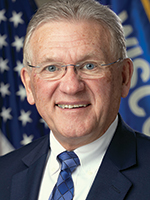
Jerry O'Connor
House · District 60
|
R |
Strong +
|
100% | 38 |

Renuka Mayadev
House · District 77
|
D |
Strong −
|
0% | 38 |
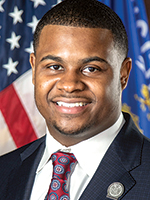
Kalan Haywood
House · District 16
|
D |
Strong −
|
0% | 34 |
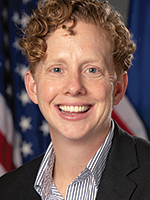
Angela Stroud
House · District 73
|
D |
Strong −
|
0% | 36 |
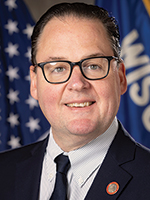
Ben DeSmidt
House · District 65
|
D |
Strong −
|
0% | 38 |
Karen DeSanto
House · District 40
|
D |
Strong −
|
0% | 38 |
Showing 101–110 of 115
bills
All housing bills
AB 454: Relating to: a workforce home loan program. (FE)
AB 52: Relating to: expanding the homestead income tax credit. (FE)
Topics
✓ Budget & TaxesSupports Budget & TaxesExpands tax credit for low-income homeowners, reducing property tax burden - direct tax relief for target group per bill's income-based thresholds.
✓ HousingSupports HousingExpands tax credit for low-income homeowners, reducing property tax burden to improve housing affordability for targeted households.
AB 404: Relating to: the Veterans Outreach and Recovery Program and making an appropriation. (FE)
Topics
✓ Budget & TaxesSupports Budget & TaxesBill explicitly appropriates state funds for veterans' program, directly funding essential services through budget allocation.
✓ HealthcareSupports HealthcareFunds counseling and recovery resources for veterans' mental health issues, directly supporting mental health services under healthcare topic.
✓ HousingSupports HousingAddresses veteran homelessness through state-funded outreach and recovery services, directly supporting housing stability for vulnerable populations.
✓ Labor & EmploymentSupports Labor & EmploymentAddresses veteran unemployment through state-funded outreach and recovery services, directly aiding employment recovery for a specific workforce group.
✓ VeteransSupports VeteransFunds Veterans Outreach and Recovery Program for homelessness, mental health, and unemployment support services
Sub-Topics
Appropriations
Mental Health
Substance Abuse
Homelessness
Unemployment
Veteran Housing
Veteran Mental Health
AB 631: Relating to: use of public lands to provide temporary residence for the homeless and providing a penalty. (FE)
Topics
✓ HealthcareSupports HealthcareRequires mental health/substance use evaluations for residents of structured camping facilities, linking housing access to healthcare services and improving access to mental health support.
✓ HousingSupports HousingCreates structured camping facilities on public lands for homeless temporary housing, directly addressing homelessness through new housing solutions.
AB 383: Relating to: the veterans housing and recovery program and making an appropriation. (FE)
Topics
✓ Budget & TaxesSupports Budget & TaxesAllocates additional state funds ($900k/$1.05M) for veterans housing program, directly increasing fiscal support for a state program per budget appropriation.
✓ HousingSupports HousingIncreases funding for veterans' housing program, directly advancing housing services and facility needs through fiscal allocation.
✓ VeteransSupports VeteransIncreases funding for veterans housing program, addressing facility deficiencies to improve services and program accessibility.
AB 451: Relating to: residential tax incremental districts. (FE)
Topics
✗ Budget & TaxesOpposes Budget & TaxesBill reduces RTID cap from 12% to 3% and restricts eligible projects, limiting tax tool expansion for residential development funding.
✗ HousingOpposes HousingBill imposes strict size limits (max 1,500 sq ft) and caps RTIDs at 3% of taxable value, restricting housing development options.
SB 609: Relating to: a state matching grant program for recipients of federal per diem payments. (FE)
Topics
✓ HousingSupports HousingFunds housing for veterans via state matching grants, directly advancing affordable housing for a vulnerable population through targeted financial support.
✓ VeteransSupports VeteransBill creates state matching funds ($25/day) for veteran housing providers already receiving federal per diem, directly funding veteran housing services.
Sub-Topics
Veteran Housing
AB 375: Relating to: modifications to the historic rehabilitation tax credit. (FE)
Topics
✓ Budget & TaxesSupports Budget & TaxesExtends historic rehabilitation tax credit program, maintains 20% credit for qualified work, and allows credit transfers - providing tax relief and incentivizing rehabilitation projects.
✓ HousingSupports HousingBill extends tax credit for historic rehabilitation, incentivizing preservation and development of existing housing stock, directly supporting housing development as defined in the topic.