

Issue · Criminal Justice
Criminal Justice
Every criminal justice bill, vote, and legislator stance in Wisconsin, automatically classified by Maddy, our AI policy reader.
Total bills
250
2025-2026 Regular Session
Top supporter
Jeff Mursau
70% support rate
Top opponent
Ryan Clancy
32% support rate
Ranked legislators
10
5 support · 5 oppose
Key legislators
Who's moving criminal justice in Wisconsin
| Legislator | Party | Stance | Support rate | Votes |
|---|---|---|---|---|
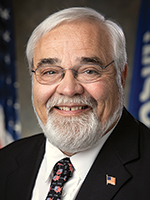
Jeff Mursau
House · District 36
|
R |
Support
|
70% | 54 |
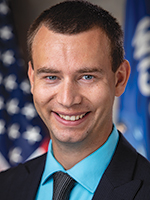
Will Penterman
House · District 38
|
R |
Support
|
67% | 48 |
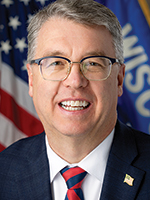
Brad Pfaff
Senate · District 32
|
D |
Support
|
64% | 36 |
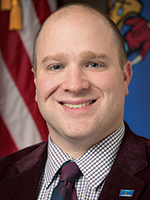
Eric Wimberger
Senate · District 2
|
R |
Support
|
64% | 36 |
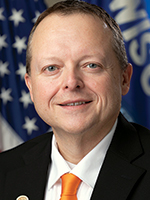
Scott Krug
House · District 72
|
R |
Support
|
64% | 58 |
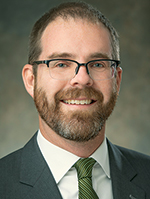
Ryan Clancy
House · District 19
|
D |
Oppose
|
32% | 53 |
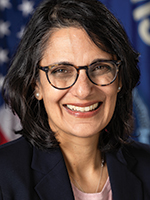
Renuka Mayadev
House · District 77
|
D |
Oppose
|
32% | 58 |
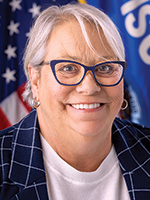
Christine Sinicki
House · District 20
|
D |
Oppose
|
32% | 58 |
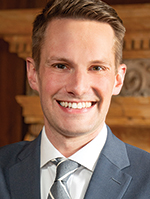
Alex Joers
House · District 81
|
D |
Oppose
|
32% | 58 |
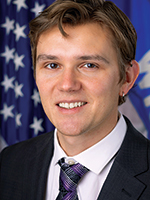
Christian Phelps
House · District 93
|
D |
Oppose
|
33% | 57 |
Showing 41–50 of 250
bills
All criminal justice bills
AB 1056: Relating to: firearm transfers and possession, law enforcement and prosecution, victims and witnesses, obstruction of justice, mental health and substance use services, hate crimes reporting portal, fraud, making an appropriation, and providing a penalty. (FE)
Topics
✓ Budget & TaxesSupports Budget & TaxesAllocates $10M community policing, $5M officer recruitment, $5M violence prevention, and $180,200 address confidentiality, explicitly increasing state appropriations for public safety services.
✓ Criminal JusticeSupports Criminal JusticeAllocates $20M for community policing, violence prevention, and officer retention while reorganizing domestic violence/sexual assault provisions to advance reform.
SB 1067: Relating to: dissemination of personally identifying information of an officer and providing a penalty.
AB 1055: Relating to: a victim protective services grant program and making an appropriation. (FE)
Topics
✓ Budget & TaxesSupports Budget & TaxesAllocates $2.5M for victim protective services grant program from Justice Dept budget, directly increasing public service funding within state fiscal management.
✓ Criminal JusticeSupports Criminal JusticeBill allocates $2.5M for victim protective services grants, directly funding victim support within criminal justice system per bill summary.
SB 955: Relating to: Internet crimes against children law enforcement and making an appropriation. (FE)
Topics
✓ Budget & TaxesSupports Budget & TaxesBill allocates $400k annually for DOJ's ICAC unit, increasing government spending on law enforcement operations per appropriation language.
✓ Criminal JusticeSupports Criminal JusticeAllocates $400k annually for Internet Crimes Against Children unit, directly funding law enforcement efforts within criminal justice framework.
✓ TechnologySupports TechnologyFunds DOJ's Internet Crimes Against Children unit, enhancing cybersecurity efforts to protect children online, aligning with topic's cybersecurity focus.
AB 957: Relating to: Internet crimes against children law enforcement and making an appropriation. (FE)
Topics
✓ Budget & TaxesSupports Budget & TaxesBill allocates $400,000 annually for DOJ's child internet crime enforcement, directly increasing state budget resources for public safety program funding.
✓ Criminal JusticeSupports Criminal JusticeFunds DOJ enforcement of internet crimes against children, directly strengthening criminal justice operations through increased budget allocation.
✓ TechnologySupports TechnologyAllocates $400k annually for internet crimes against children enforcement, enhancing cybersecurity efforts to protect minors online, aligning with technology safety support.
SB 838: Relating to: a human trafficking victim services grant program, granting rule-making authority, and making an appropriation. (FE)
Topics
✓ Budget & TaxesSupports Budget & TaxesAllocates $1.25M biennially for human trafficking victim services, advancing public service funding through state appropriation.
✓ Criminal JusticeSupports Criminal JusticeFunds human trafficking victim services (housing, advocacy, job training) through grants, directly supporting victim rehabilitation and coordination with law enforcement per criminal justice reform indicators.
✓ HealthcareSupports HealthcareBill explicitly funds medical care services for human trafficking victims through state grants, directly advancing healthcare access for a vulnerable population.
SB 882: Relating to: sentencing for crimes committed by a person who is under the age of 18.
SB 897: Relating to: threats to health care providers and providing a penalty.
Topics
✓ Criminal JusticeSupports Criminal JusticeClassifies threats against healthcare workers as criminal offenses, strengthening legal protections within criminal justice framework.
✓ HealthcareSupports HealthcareProtects healthcare workers from threats related to professional role, directly aligning with healthcare protection indicators.
AB 904: Relating to: immunity for certain controlled substances offenses for aiders and aided persons.
Topics
✓ Criminal JusticeSupports Criminal JusticeReplaces jail with treatment for overdose cases, offering immunity for aiders and treatment alternatives for aided persons, directly advancing criminal justice reform through rehabilitation-focused sentencing.
✓ HealthcareSupports HealthcareBill replaces criminal penalties with treatment for overdose, removing legal barriers to healthcare access and promoting public health response to substance use disorders.