

Maddy summaryThis bill proposes changes to West Virginia's Tobacco Products Excise Tax Act by increasing taxes on various tobacco products and adding a new definition for electronic smoking devices. The legislation would eliminate existing discounts on tax stamps and expand the definition of taxable items to include components and accessories used with electronic smoking devices like e-cigarettes and vape pens. Additionally, the bill requires that 10 percent of the revenue generated from these taxes be allocated to the West Virginia Division of Tobacco Prevention. These changes directly affect tobacco manufacturers, retailers, and consumers by altering tax rates and expanding the scope of products subject to taxation.
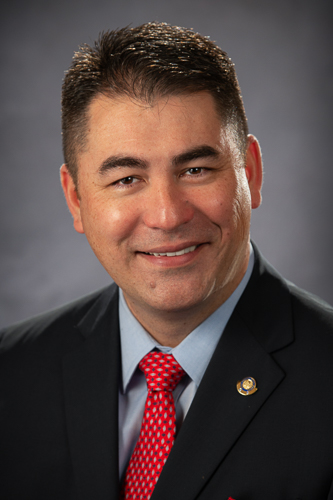
Sen. Tom Takubo
Sponsored bills
Maddy summaryThis bill requires the West Virginia Medicaid board to review and propose changes to reimbursement rates for outpatient mental health services provided in licensed behavioral health centers. The key provision mandates that proposed rates for psychiatry and psychology services, including psychotherapy and medication management, must not be lower than Medicare Part B rates for the same procedures. The bill directs the board to submit a proposal for these rate adjustments by July 1, 2025, while maintaining the state agency's authority to approve or modify recommendations based on budget constraints.
Maddy summarySB 888 establishes a standardized testing schedule for individuals in West Virginia's substance use disorder treatment programs. It requires comprehensive testing at treatment entry, followed by qualitative tests every two weeks for six weeks (initiation phase), every 45 days for one year (stabilization phase), and every six months thereafter (maintenance phase). The bill also mandates that patients provide a test upon provider request at any time to assess compliance. This directly affects individuals enrolled in state-funded drug treatment programs and their treatment providers. The law describes a specific progression of testing requirements without creating new facilities or altering treatment standards.
Maddy summarySB 589 increases annual salaries for West Virginia judges effective July 1, 2025. Magistrates will earn $75,840, Supreme Court justices $157,600, circuit court judges $146,600, and family court judges $111,950. The bill also suspends court contributions to the judicial retirement system until specific conditions are met and adjusts survivor benefit calculations for judges' families. These changes directly affect current judges across all state court levels.
Maddy summarySB 859 would impose a new user fee on cigarette sales in West Virginia. Cigarette sellers (manufacturers and retailers) would pay this fee, with all collected funds directed into a special revenue fund specifically for supporting emergency medical services (EMS). The bill amends tobacco tax laws to define "cigarette" broadly and creates two new sections to establish this fee and fund mechanism. This policy change would generate dedicated revenue for EMS operations, directly affecting cigarette sellers and benefiting EMS providers across the state.
Maddy summarySB 578 extends the expiration dates for additional registration fees on pet food sold in West Virginia, removing sunset provisions that would have ended these fees on June 1, 2027 (for packages over 10 pounds) and June 30, 2027 (for smaller packages). The bill requires pet food manufacturers and distributors to pay annual registration fees - $50 per product for bulk packages and $35 per product for smaller packages - until the new expiration dates. These fees fund the West Virginia Spay Neuter Assistance Fund, supporting spay/neuter services by licensed veterinarians. The policy directly affects businesses selling pet food in the state by maintaining these registration requirements and funding streams beyond the original deadlines.
Maddy summarySB 860 creates a dedicated funding source called the "Tobacco Cessation Initiative Program Special Revenue Account" to support West Virginia's tobacco cessation services. The bill mandates an annual transfer of $5 million from interest earned on the Revenue Shortfall Reserve Fund - Part B to this account, starting July 30, 2025. These funds must be used exclusively by the Bureau for Public Health to provide tobacco cessation programs for residents seeking to quit tobacco use. This ensures consistent, dedicated funding for the initiative without requiring annual legislative appropriations for the specified amount.
Maddy summarySB 852 requires pharmacy benefit managers (PBMs) in West Virginia to reimburse pharmacies at least the national average drug cost plus a $10.49 dispensing fee for prescription drugs or services, or the wholesale cost if the national average isn't available. It also prohibits PBMs from imposing extra fees or administrative burdens on 340B entities (like safety-net hospitals) that participate in federal discounted drug programs. The bill prevents PBMs from charging patients more than the actual pharmacy charges and ensures 340B entities aren't discriminated against in patient access. These changes directly affect pharmacies, pharmacists, 340B-covered entities, and patients using pharmacy services under state-regulated plans.
Maddy summarySB 853 clarifies registration requirements for individuals and organizations bidding at public auctions of tax-abandoned land held by West Virginia's State Auditor. It requires bidders to register in advance with the Auditor's office or submit a notarized affidavit on the auction day, and prohibits registration for those with past payment defaults, delinquent property taxes, repeated code enforcement violations, or unresolved legal disputes related to property ownership. The bill specifically allows 501(c)(3) nonprofit organizations focused on housing or public facilities to bid at auctions, provided their bid is no more than 5% lower than the highest non-nonprofit bid. This affects anyone seeking to purchase tax-foreclosed land through county auctions, ensuring bidders meet specific eligibility criteria before participating.
Maddy summarySB 697 creates a nonrefundable tax credit for West Virginia family caregivers who provide unpaid care to eligible relatives. It allows a 50% credit on qualifying out-of-pocket expenses for caregiving, capped at $2,000 annually, covering costs like home modifications, medical equipment, hiring aides, or transportation. To qualify, the caregiver must be a West Virginia resident, and the care recipient must be 18+ years old, live in a private home (not a facility), and require assistance with daily activities like bathing or eating, as certified by a healthcare provider. The credit applies to expenses incurred after January 1, 2027, and excludes general home maintenance or reimbursed costs.