

Maddy summarySB 90 requires West Virginia county school boards to publish an annual list of unused, closed, or unoccupied public buildings on a public website. It mandates that boards allow public charter schools access to these buildings without selling them to block school use, and gives charter schools up to two years to secure approval and complete necessary renovations. The bill specifies that charter schools must pay market-rate lease costs and cover all facility expenses (utilities, maintenance, repairs), while county boards remain responsible for pre-existing building debts. This directly affects charter schools seeking facilities and county school boards managing public property.
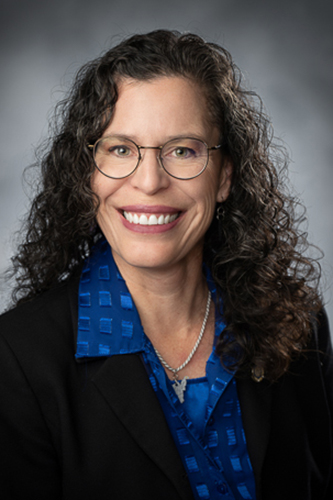
Sen. Patricia Rucker
Sponsored bills
Maddy summarySB 91 requires West Virginia sheriffs to send certified mail notices to property owners and relevant parties at least 30 days before selling land for unpaid taxes. It mandates notices to owners of record, residents/occupants, lienholders, and others who requested them via written form. The bill adds $25 for publication costs and $10 per notice to the total tax bill due. This directly affects property owners with delinquent taxes by providing advance notice before tax sales proceed. The key provision ensures multiple notice channels to prevent unexpected property loss due to unpaid taxes.
Maddy summarySB 96 clarifies that property used for divine worship - including portions used for educational or charitable activities - qualifies for West Virginia's ad valorem property tax exemption. This amendment to §11-3-9 explicitly ensures churches, religious schools, and nonprofits operating on such properties receive full tax relief on qualifying land and buildings. It directly affects religious institutions and charitable organizations using property for worship combined with educational or community services. The bill removes ambiguity about which property portions qualify under existing law, without creating new exemptions.
Maddy summarySenate Bill 296 requires West Virginia's Public Employees Insurance Agency (PEIA), the Bureau for Medical Services (BMS), and private health insurers to cover non-stress fetal tests - including ultrasounds - performed either in person or remotely at home via telehealth. This applies to pregnant individuals enrolled in PEIA, BMS (Medicaid), or private insurance plans. The bill mandates that these entities provide reimbursement for the covered tests, ensuring access to fetal health monitoring without additional out-of-pocket costs. It directly affects healthcare coverage for pregnant people using these specific insurance programs.
Maddy summaryThis bill amends West Virginia law to establish reckless driving resulting in death as a felony offense, rather than a misdemeanor. It directly affects drivers who cause fatal accidents through willful or wanton disregard for safety on roads, parking areas, or other specified public spaces. Conviction carries a prison sentence of 1 to 10 years, or a fine of $5,000 to $10,000, or both. The bill updates existing traffic code provisions (§17C-5-3) to create this felony classification while making technical corrections to the law.
Maddy summarySB 80 requires all West Virginia public school classrooms to observe one minute of silence at the start of each school day. It directly affects students and teachers by mandating this silence while prohibiting educators from suggesting specific activities (like prayer or meditation) during the period. The bill ensures students can individually choose silent activities without interference, and it specifies the Attorney General must defend this provision in court. This policy aims to guarantee students' right to free religious exercise within schools while preventing state pressure on their choices.
Maddy summarySB 239, the Second Look Sentencing Act, would allow West Virginia courts to reconsider and potentially reduce prison sentences for individuals who were under 25 when they committed a crime and have served at least 10 years of a sentence exceeding 10 years. The court must hold a hearing, consider factors like rehabilitation, safety to the community, youth-related circumstances, and victim input, before deciding to reduce the sentence. If approved, the sentence is reduced and the person may remain under supervised release for up to five years. The bill requires written court reasoning for decisions and permits a second review after three years if the first motion is denied.
Maddy summarySB 94 mandates that West Virginia public schools include human growth and development instruction starting in grade 3, beginning with the 2025-2026 school year. The law requires specific curriculum materials, including a high-definition ultrasound video showing early fetal organ development and the "Meet Baby Olivia" video detailing human development from fertilization through birth. This requirement is part of the "Baby Olivia Act" and applies to all public schools in the state. The bill specifies that these videos must be used as part of health education courses, without allowing parental exemptions for this component.
Maddy summarySB 87 establishes the West Virginia Mothers and Babies Pregnancy Support Program under the Bureau for Public Health to provide funding to pregnancy help organizations. The bill expands funding eligibility beyond the previous "fee per service" model to include capital expenses, new services, licensing costs, and staff training for these organizations. Crucially, it explicitly prohibits abortion industry organizations from receiving these funds. This program directly affects pregnancy help centers (like crisis pregnancy centers) by giving them greater financial flexibility to operate and expand services.
Maddy summaryThis bill renames the "School Building Authority" to the "School Maintenance Authority" across West Virginia law, shifting its primary focus from financing new school construction to funding maintenance and repairs. It directly affects how school districts access state funds for facility upkeep, requiring county boards to update their 10-year facilities plans to prioritize maintenance over construction projects. Key provisions include updating all legal references to the new name and clarifying that the Authority’s purpose is now centered on "financing school maintenance" rather than construction. The change takes effect upon passage, altering how school facility funding decisions are made statewide.